Complete Guide To Navigating Dallas/Fort Worth International Airport

Dallas/Fort Worth International Airport is one of the largest and busiest airports in the world, serving millions of passengers each year. Due to its vast size, first-time travelers often find it challenging to move around efficiently. The airport covers a huge area with multiple terminals, parking zones, and transportation systems. Knowing how the airport is organized before you arrive can save time, reduce stress, and help you enjoy a smoother travel experience.
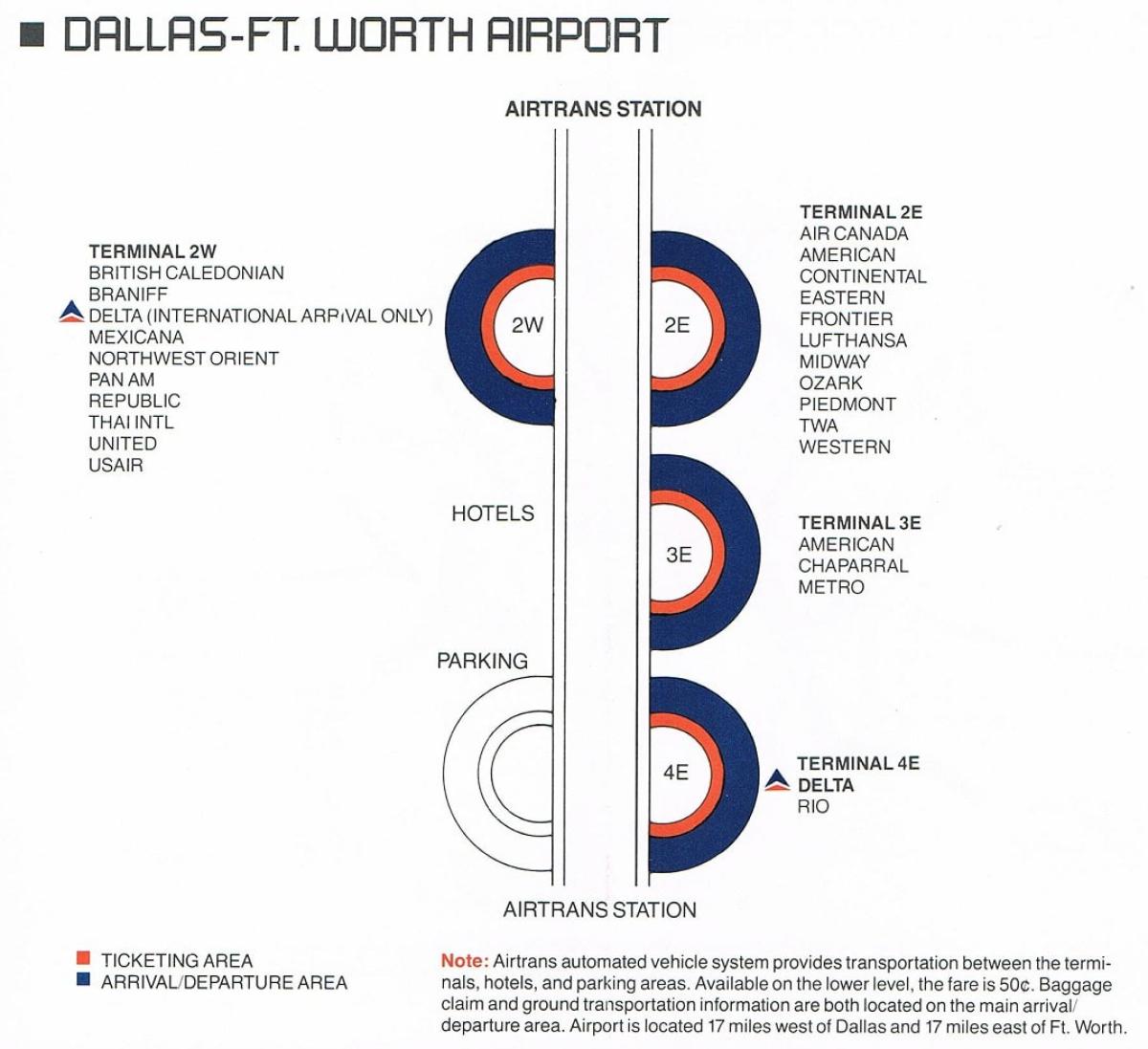
DFW Airport has five main terminals labeled A, B, C, D, and E. Each terminal is designed to serve specific airlines and types of flights. Terminals A, B, and C are primarily used for domestic travel, while Terminal D handles most international flights. Terminal E supports both domestic and limited international routes. Understanding which terminal your flight uses is essential for planning arrival time, parking, and security clearance.
To understand the layout clearly, travelers often rely on the DFW Airport Map, which provides a detailed overview of terminal locations, gates, Skylink stations, parking areas, and passenger services. This visual guide helps travelers estimate walking distances and plan efficient routes through the airport. It is especially useful for passengers with short layovers or those traveling with children or elderly companions.
One of the most convenient features at DFW Airport is the Skylink train system. Skylink operates within the secure area and connects all five terminals. Trains run frequently in both clockwise and counterclockwise directions, allowing passengers to transfer between terminals quickly without exiting security. This system significantly reduces travel time and is ideal for connecting flights.
Parking options at DFW Airport are designed to suit different travel needs. Terminal parking garages are located directly in front of each terminal and are ideal for short trips. For long-term or budget-friendly parking, remote lots are available with shuttle services running regularly. Ride-sharing services, taxis, and public transportation pickup points are clearly marked, making ground transportation convenient and accessible.
Inside the terminals, passengers can enjoy a wide range of amenities. Restaurants and cafés offer diverse food options, while retail stores provide travel essentials, souvenirs, and luxury items. Free Wi-Fi is available throughout the airport, along with charging stations and comfortable seating areas. Lounges, family restrooms, and accessibility services further enhance the passenger experience.
Security checkpoints are positioned throughout the airport to manage passenger flow effectively. Wait times can vary depending on the terminal and time of day. Reviewing the DFW Airport Map before arrival can help travelers locate less crowded checkpoints, nearby restrooms, dining spots, and their departure gates, ensuring better time management.
International travelers will mainly use Terminal D, which houses customs, immigration, and duty-free shopping. After completing immigration procedures, connecting passengers can access Skylink to reach other terminals without rechecking baggage, depending on airline policies. Clear signage and airport staff assistance make international connections easier.
In conclusion, navigating such a large airport becomes much simpler with preparation. Familiarity with terminal layouts, transportation systems, and available services allows travelers to move confidently through the airport. Whether you are arriving, departing, or connecting, the DFW Airport Map is a valuable tool that helps ensure an organized, efficient, and stress-free journey through Dallas/Fort Worth International Airport.