Dermatech Polyclinic Insights: From Acne Management To Anti-Aging Care

Skin concerns often change with age, lifestyle, and environmental exposure. A person struggling with acne in early adulthood may later focus on maintaining skin texture or managing signs of aging. Modern dermatology recognizes this evolving journey and addresses skin health as a continuous process rather than isolated treatments. Dermatech polyclinic insights reflect this lifecycle-based approach, covering everything from acne management to anti-aging care through clinically guided dermatology practices.
Viewing Skin Health as a Continuous Journey:
Skin is dynamic and responds to internal and external influences over time. Hormonal shifts, stress, diet, and sun exposure can all alter skin behavior. Addressing skin concerns effectively requires understanding where an individual is in their skin health journey.
A lifecycle approach focuses on:
Managing active skin conditions early
Preventing long-term damage
Supporting skin regeneration and resilience
Adapting care as skin needs change
Dermatech polyclinic models emphasize continuity of care across different life stages.
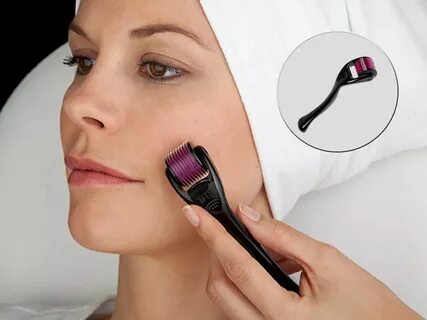
Acne as a Medical and Inflammatory Condition:
Acne is often misunderstood as a purely cosmetic issue, but it is a medical condition involving inflammation, oil production, bacteria, and follicular blockage. Without proper management, acne can leave scars and pigmentation.
Clinical acne management involves:
Identifying acne type and severity
Controlling inflammation and bacterial activity
Regulating oil production
Preventing post-acne marks and scarring
At a dermatech polyclinic, acne treatment is structured and progressive rather than reactive.
Addressing Post-Acne Skin Changes:
Even after active acne subsides, residual concerns may remain. These include scars, uneven texture, and pigmentation, which require targeted dermatological care.
Post-acne management focuses on:
Supporting skin repair mechanisms
Improving texture irregularities
Reducing discoloration
Strengthening the skin barrier
Dermatech polyclinic care frameworks address post-acne concerns as part of comprehensive skin management.
Transitioning from Treatment to Maintenance:
Once active conditions are controlled, maintaining skin balance becomes the primary goal. Maintenance care helps prevent relapse and supports overall skin health.
Maintenance strategies include:
Skin barrier repair and hydration
Preventive skincare guidance
Monitoring for early signs of recurrence
Lifestyle and environmental protection
Dermatech polyclinic approaches prioritize maintenance to preserve treatment outcomes.
Early Signs of Skin Aging:
Skin aging begins earlier than many people realize, often influenced by sun exposure, pollution, and lifestyle habits. Early signs may include fine lines, dullness, and uneven texture.
Dermatological care for early aging focuses on:
Preserving collagen and elastin
Enhancing skin renewal
Protecting against environmental stress
Maintaining skin tone and texture
At a dermatech polyclinic, early intervention supports long-term skin vitality.
Advanced Anti-Aging Dermatology:
Anti-aging care in modern dermatology emphasizes natural-looking and gradual improvement rather than drastic changes. Treatments are selected based on skin structure and aging patterns.
Advanced anti-aging strategies include:
Stimulating collagen production
Improving skin firmness and elasticity
Addressing pigmentation and surface irregularities
Supporting overall skin quality
Dermatech polyclinic models integrate medical oversight into anti-aging care to ensure safety.
Technology in Acne and Anti-Aging Care:
Technology enhances the precision of dermatological treatments for both acne and aging-related concerns. Devices allow targeted action while preserving surrounding tissue.
Technology-assisted care may involve:
Energy-based devices for skin renewal
Controlled therapies for acne-related inflammation
Collagen-stimulating techniques
Digital monitoring of skin changes
At a dermatech polyclinic, technology supports evidence-based treatment planning.
Personalization Across Life Stages:
No two individuals experience acne or aging in the same way. Personalization is essential for effective dermatology care.
Personalized treatment includes:
Adjusting care based on skin type and sensitivity
Considering hormonal and lifestyle factors
Modifying protocols as skin evolves
Creating long-term skin health plans
Dermatech polyclinic care models adapt treatments to changing skin needs.
Preventive Strategies for Lifelong Skin Health:
Prevention plays a critical role in both acne control and anti-aging care. Protecting skin from damage reduces the need for intensive treatment later.
Preventive dermatology emphasizes:
Sun protection and barrier care
Early intervention for inflammation
Healthy skincare routines
Awareness of environmental triggers
At a dermatech polyclinic, prevention is integrated at every stage of care.
Patient Education and Skin Awareness:
Informed individuals are better equipped to manage their skin health. Education improves treatment adherence and long-term outcomes.
Patient education includes:
Understanding skin behavior
Recognizing early warning signs
Following consistent skincare routines
Maintaining realistic expectations
Dermatech polyclinic frameworks emphasize education as a core component of dermatological care.
Conclusion:
Dermatech polyclinic insights from acne management to anti-aging care highlight the importance of a continuous, science-driven approach to skin health. By addressing skin concerns at every stage and adapting care as needs evolve, modern dermatology supports both immediate results and long-term resilience.