Dermatech Polyclinic Recommendations For Post-Treatment Care

Professional skin treatments can transform texture, tone, and overall skin health—but what happens after you leave the clinic often determines the final outcome. According to experts at Dermatech Polyclinic in dubai, post-treatment care is just as important as the procedure itself. Proper aftercare accelerates healing, enhances results, minimizes side effects, and protects your investment.
Whether you’ve undergone a chemical peel, laser therapy, microneedling, or a hydrating facial, understanding how to care for your skin afterward ensures safer recovery and longer-lasting benefits. This comprehensive guide outlines Dermatech Polyclinic’s professional recommendations for optimal post-treatment care.
Why Post-Treatment Care Matters?
Most dermatological procedures work by stimulating controlled skin renewal. This may involve exfoliating the outer layer, triggering collagen production, or targeting pigmentation. After treatment, the skin enters a temporary repair phase.
During this time, your skin may be:
More sensitive
Slightly inflamed
Prone to dryness
Vulnerable to UV damage
Following the correct aftercare routine protects the healing skin barrier and prevents complications such as irritation or hyperpigmentation.
The First 24–48 Hours: Critical Recovery Phase
The initial recovery period is crucial. Dermatech Polyclinic advises patients to prioritize gentle care and avoid unnecessary exposure.
Key recommendations include:
Avoid direct sun exposure
Skip makeup unless approved
Avoid intense workouts or heat exposure
Refrain from touching or picking treated areas
Use only prescribed or recommended products
During this phase, the skin may appear red or feel tight. These reactions are typically temporary and part of the natural healing process.
Gentle Cleansing Is Essential
After most treatments, the skin barrier becomes temporarily compromised. Harsh cleansers or scrubbing can delay healing.
Recommended approach:
Use a mild, fragrance-free cleanser
Wash with lukewarm water
Pat dry with a clean, soft towel
Avoid exfoliating tools or brushes
Dermatech Polyclinic emphasizes that less is more when it comes to cleansing after procedures.
Hydration and Barrier Repair
One of the primary goals of post-treatment care is restoring the skin barrier.
Look for moisturizers containing:
Ceramides
Hyaluronic acid
Panthenol
Peptides
These ingredients help reduce dryness, calm irritation, and support tissue repair. Proper hydration prevents excessive peeling and discomfort.
Sun Protection: Non-Negotiable After Treatment
Post-procedure skin is highly vulnerable to ultraviolet damage. Even brief sun exposure can trigger pigmentation issues.
Dermatech Polyclinic strongly advises:
Applying broad-spectrum SPF 30 or higher daily
Reapplying sunscreen every 2–3 hours outdoors
Wearing protective clothing and sunglasses
Avoiding peak sunlight hours
Sun protection is especially critical after treatments like chemical peels and laser resurfacing.
Managing Peeling and Flaking:
Some procedures intentionally cause mild peeling as part of the renewal process. It is important not to interfere.
Do not:
Pick at peeling skin
Force exfoliation
Use strong acids or retinoids prematurely
Allow the skin to shed naturally. Premature removal may cause scarring or uneven healing.
Avoiding Active Ingredients Temporarily:
Certain skincare ingredients should be paused during recovery.
Temporarily discontinue:
Retinoids
Strong exfoliating acids
Vitamin C (if irritation occurs)
Alcohol-based toners
Dermatech Polyclinic typically advises reintroducing active ingredients gradually, based on skin response and professional guidance.
Post-Laser and Post-Peel Care Specifics:
Different treatments require slightly different approaches.
After Laser Therapy:
Cooling gels may be recommended
Redness may last several days
Avoid heat-based activities
After Chemical Peels:
Expect controlled peeling
Focus on hydration
Avoid sun exposure strictly
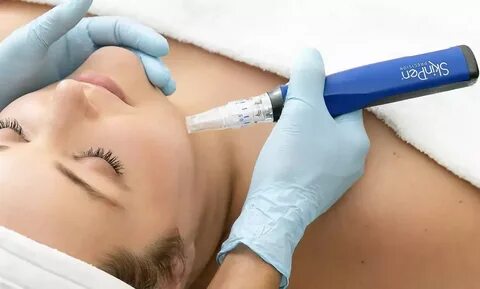
After Microneedling:
Mild redness may resemble sunburn
Avoid makeup for at least 24 hours
Keep skin clean and moisturized
Individual recovery timelines vary depending on treatment depth and skin sensitivity.
Nutrition and Hydration Support Healing:
Skin recovery is influenced by internal health as well.
Drink sufficient water
Consume antioxidant-rich foods
Avoid excessive alcohol
Prioritize sleep
Dermatech Polyclinic encourages a holistic recovery approach that supports cellular repair from within.
Recognizing Normal vs. Concerning Reactions:
Mild redness, dryness, or slight swelling are common after many treatments. However, patients should monitor for unusual symptoms.
Contact your dermatologist if you notice:
Severe pain
Persistent swelling
Signs of infection
Blistering
Unusual pigmentation
Prompt communication ensures early intervention if needed.
The Importance of Follow-Up Appointments:
Follow-up visits allow dermatologists to assess healing progress and adjust skincare recommendations. Dermatech Polyclinic uses these appointments to:
Monitor collagen response
Evaluate pigmentation improvement
Recommend maintenance treatments
Adjust active ingredient use
Consistent follow-up ensures sustained results.
Long-Term Maintenance After Recovery:
Once the initial healing phase is complete, maintaining results requires ongoing care.
Continue daily sunscreen use
Follow a personalized skincare routine
Schedule maintenance treatments as advised
Avoid excessive sun exposure
Post-treatment success depends on consistency beyond the recovery period.
Psychological Aspects of Recovery:
Some patients may feel concerned if redness or peeling lasts longer than expected. Dermatech Polyclinic reassures patients that controlled downtime is often part of the rejuvenation process.
Understanding expected healing stages reduces anxiety and promotes patience during recovery.
Common Mistakes to Avoid After Treatment
Using new, unapproved skincare products
Over-cleansing
Skipping sunscreen
Resuming intense exercise too soon
Ignoring aftercare instructions
Avoiding these errors protects both your skin and your treatment results.
Customized Aftercare Plans:
Every individual’s skin responds differently. Factors influencing recovery include:
Skin type
Treatment intensity
Age
Hormonal balance
Lifestyle habits
Dermatech Polyclinic provides tailored aftercare instructions to align with each patient’s specific needs.
Why Professional Guidance Matters?
Online advice may not apply to your unique situation. Dermatological procedures require medically informed aftercare strategies to prevent complications and maximize benefits.
Professional supervision ensures:
Safe healing
Reduced risk of pigmentation
Improved collagen stimulation
Long-lasting results
Dermatech Polyclinic prioritizes patient education so individuals feel confident managing their recovery.
Final Thoughts: Protecting Your Results
Post-treatment care is not optional—it is an integral part of the healing journey. From gentle cleansing and hydration to strict sun protection and lifestyle support, every step influences the final outcome.
Dermatech Polyclinic’s approach combines medical expertise, personalized guidance, and preventive strategies to ensure safe recovery and sustained improvement.
When patients follow structured aftercare protocols, they not only enhance treatment results but also strengthen long-term skin health. In dermatology, the procedure may start the transformation—but proper aftercare completes it.