Do Pimples Treatments Work On Hormonal Acne?
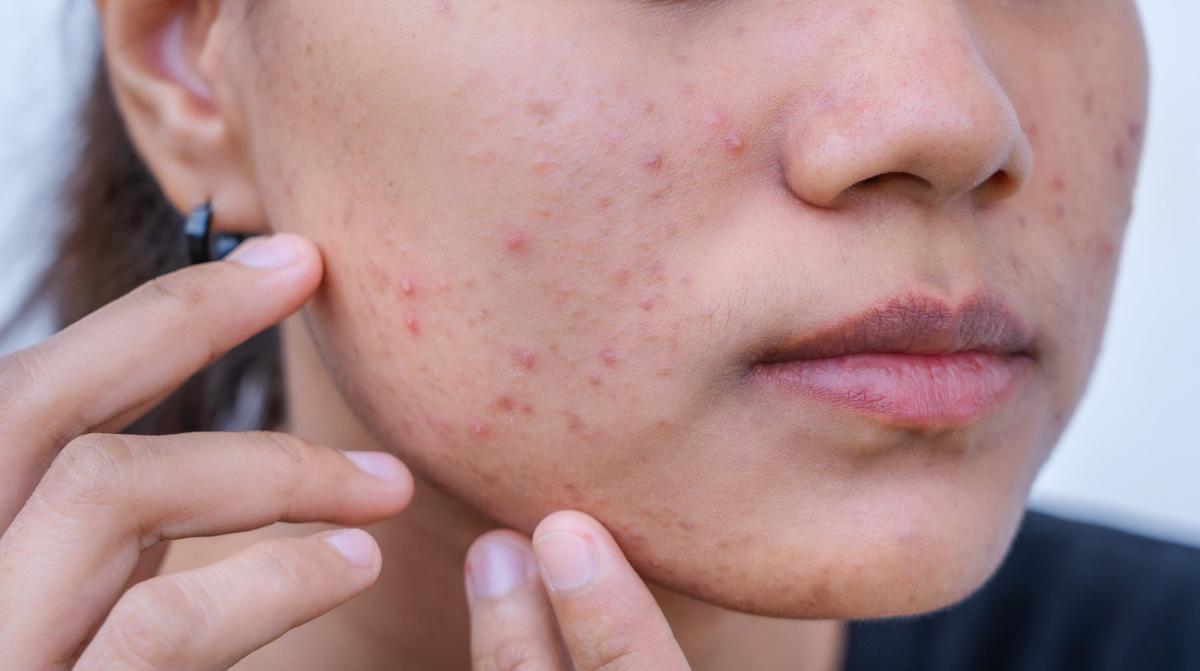
Hormonal acne can be frustrating, persistent, and emotionally challenging. Unlike regular breakouts, it often appears along the jawline, chin, and lower face, fluctuating with hormone cycles. Many wonder whether standard treatments are effective for these stubborn pimples. While exploring solutions, searching for the Best Pimples Treatment in Dubai can offer insights into approaches available. Understanding the limitations and potential benefits of various methods is essential for managing hormonal acne effectively.
Understanding Hormonal Acne
Hormonal acne is triggered by fluctuations in hormones, particularly androgens, which increase sebum production. It often affects adults rather than teenagers and can cause deep, painful cysts. This type of acne tends to recur, making simple over-the-counter remedies less effective. Addressing hormonal acne requires consistency and patience. Though not every treatment guarantees results, combining lifestyle adjustments with targeted care can reduce flare-ups significantly and support healthier skin.
How Traditional Treatments Perform
Traditional acne treatments such as cleansers, exfoliants, and topical creams focus on bacteria and oil control. However, hormonal acne is influenced by internal factors, meaning external treatments might have limited success alone. Many people notice partial improvement, but persistent breakouts can remain. Pairing these treatments with practices that support hormone balance often yields better results. Consistency, proper usage, and avoiding harsh chemicals can help prevent irritation while maintaining skin health.
Diet and Lifestyle Influence
Diet and lifestyle choices play a significant role in hormonal acne. Foods high in sugar and refined carbs can trigger insulin spikes, potentially worsening acne. Stress management is equally crucial, as cortisol fluctuations influence hormone activity. Hydration, balanced nutrition, and regular sleep cycles support overall skin health. Simple lifestyle changes, combined with proper skincare, can reduce the frequency and intensity of hormonal breakouts, helping treatments work more effectively over time.
Over-the-Counter Solutions That Help
- Benzoyl peroxide kills acne-causing bacteria
- Salicylic acid unclogs pores
- Retinoids promote cell turnover
- Non-comedogenic moisturizers prevent dryness
- Gentle exfoliation enhances product absorption
Choosing the Right Skincare Products
Selecting skincare products suited for hormonal acne requires careful consideration. Non-comedogenic products prevent additional clogging, while gentle formulas reduce irritation. Ingredients like niacinamide can soothe inflammation and regulate oil production. Look for lightweight moisturizers, oil-free cleansers, and products targeting acne without disrupting the skin barrier. Consistency is essential, as frequent changes can stress the skin. Understanding skin type and needs ensures that treatments complement natural healing processes rather than exacerbate the condition.
Common Mistakes to Avoid
- Over-washing the face, causing dryness and irritation
- Using harsh scrubs that damage the skin barrier
- Applying too many products at once
- Ignoring lifestyle factors such as sleep and diet
- Picking or popping pimples, increasing inflammation and scarring
Psychological Effects and Patience
Hormonal acne can impact confidence and mental well-being, leading to stress, anxiety, and low self-esteem. Understanding that improvement takes time is crucial. Patience and a consistent routine are essential to seeing results. Support from peers, mindfulness practices, or counseling can help manage emotional stress associated with persistent acne. Combining mental health care with physical skin care creates a holistic approach, empowering individuals to navigate hormonal acne more effectively and maintain long-term skin health.
Final Thoughts
Hormonal acne requires a multifaceted approach. While treatments help manage symptoms, long-term improvement depends on consistent care, lifestyle adjustments, and understanding skin needs. Recognizing the role of hormones in breakouts encourages a more patient and realistic approach to treatment. By integrating proper skincare, healthy habits, and emotional support, managing hormonal acne becomes achievable. Consistency, self-awareness, and a tailored approach are the keys to maintaining clearer, healthier skin over time.