Do Raised Moles Need Different Removal Options?

Raised moles stand out because they sit above the skin’s surface, often feeling textured or dome-shaped. Their appearance can change how people think about managing them compared to flat moles. In conversations around skin aesthetics, including discussions that reference Moles Removal in Dubai in a broader context, raised moles are often highlighted due to visibility and interaction with clothing or grooming habits. These characteristics don’t automatically signal concern, but they do influence how individuals evaluate suitable approaches, daily care, and long-term attention without focusing on clinical settings or financial considerations.
Why Raised Moles Are Viewed Differently
Raised moles tend to attract more attention because they are easier to notice and feel. This visibility can lead to questions about whether they should be handled differently than flat moles. Their height may expose them to friction, accidental scratching, or irritation during routine activities. Because of this, people often consider comfort, appearance, and skin harmony when thinking about next steps. The key difference lies in how raised moles interact with their surroundings, not necessarily in their nature, which shapes decision-making in a more thoughtful, individualized way.
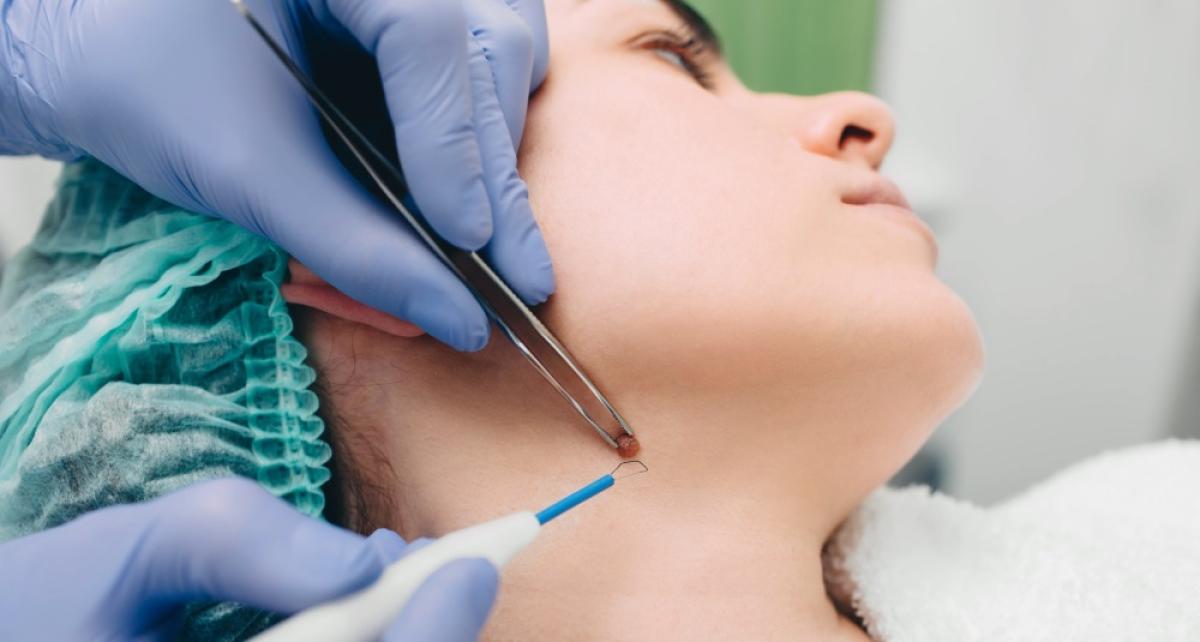
Common Reasons People Consider Addressing Raised Moles
- They may rub against clothing or accessories
- They can be nicked during shaving or grooming
- Their texture may feel uncomfortable to touch
- They may stand out visually on exposed areas
- They can draw repeated attention during daily care
Flat Moles vs. Raised Moles
Although both types are common, flat and raised moles differ in how they blend with the skin. Flat moles sit level and often go unnoticed, while raised moles create dimension. This dimensional difference can influence clothing choices, grooming routines, and even how skincare products are applied. Raised moles may require more mindful handling during daily habits. Understanding these distinctions helps explain why people often ask if raised moles warrant different considerations, even when no technical details or medical explanations are involved.
Factors That Influence How Raised Moles Are Approached
- Location on the body and exposure level
- Frequency of friction or contact
- Skin sensitivity around the area
- Personal comfort during daily routines
- Desire for visual uniformity
Lifestyle Comfort Considerations
Raised moles can subtly influence daily life, especially when they catch on fabrics or are touched repeatedly. People may adjust grooming habits, clothing choices, or skincare routines to accommodate them. This isn’t about outcomes or processes, but about living comfortably with one’s skin. Over time, these small adjustments can add up, leading individuals to reflect on whether a different approach would better suit their routines. Comfort, ease, and simplicity are often at the heart of these reflections.
Aesthetic Perspectives on Raised Moles
Visibility in social or professional settings
How light and shadow affect appearance
Contrast with surrounding skin texture
Alignment with personal style preferences
Desire for a smoother overall look
Skin Awareness and Attention
Being aware of raised moles encourages people to pay closer attention to their skin overall. This awareness isn’t rooted in fear or science, but in familiarity. Knowing where raised moles are and how they behave during daily life can foster a mindful relationship with one’s skin. Over time, this attentiveness helps individuals make calm, informed choices that align with comfort and personal preferences, without focusing on timelines or expected changes.
Personal Choice and Individual Preferences
Every person views raised moles through their own lens. Cultural norms, lifestyle demands, and personal taste all shape how someone feels about them. There is no universal rule that applies to everyone. Some embrace raised moles as part of their natural look, while others prefer a smoother skin surface. These preferences evolve, and the most important aspect is that choices feel aligned with one’s sense of self rather than external pressure.
Final Thoughts
Raised moles often invite different considerations because of how they interact with daily life and personal aesthetics. Their height, texture, and visibility naturally lead people to think more carefully about comfort and appearance. Rather than focusing on technical details or outcomes, the conversation centers on individual needs and preferences. Ultimately, understanding raised moles is about recognizing personal priorities and making thoughtful choices that feel right for one’s skin and lifestyle.