Does Hijama Cupping Therapy In Islamabad Help Reduce Body Toxins?

Hijama cupping therapy has been practiced for centuries as a natural method to support detoxification, circulation, and overall wellness. Originating from ancient healing traditions, this therapy involves creating suction on specific areas of the body to stimulate blood flow and encourage the removal of stagnant fluids. Today, many people seek it as a complementary approach to improving health and vitality.If you are considering alternative therapies for cleansing and rejuvenation, Hijama Cupping Therapy in Islamabad is increasingly becoming a popular choice among individuals looking for safe, holistic care under professional supervision.This FAQ-style guide explains how Hijama works, whether it truly reduces toxins, and what you can expect from the treatment.
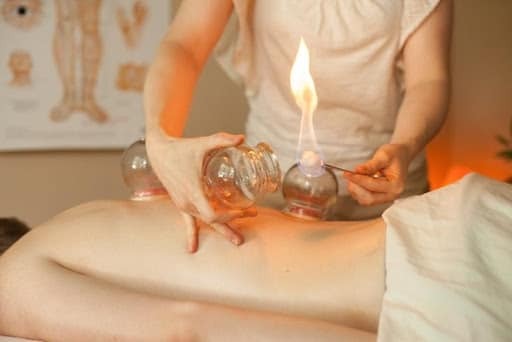
What Is Hijama Cupping Therapy and How Does It Work?
Hijama, also known as wet cupping therapy, is a procedure where small cups are placed on the skin to create suction. In wet cupping, tiny superficial incisions are made after suction, allowing a small amount of blood and interstitial fluid to be drawn out.
The therapy works through three primary mechanisms:
Improved blood circulation: Suction increases blood flow to the treated area.
Removal of stagnant blood: Practitioners believe it helps eliminate old or impure blood.Stimulation of the lymphatic system: Encourages drainage of waste materials from tissues.While modern science describes detoxification as a function of organs like the liver and kidneys, Hijama is thought to support these natural processes by enhancing circulation and reducing inflammation.
Does Hijama Really Help Remove Body Toxins?
The concept of “toxins” in alternative medicine often refers to metabolic waste, inflammatory byproducts, and accumulated impurities in the blood. From a medical perspective, the liver and kidneys are primarily responsible for detoxification. However, Hijama may assist the body indirectly in the following ways:
Enhancing microcirculation.
Reducing oxidative stress.
Supporting lymphatic drainage.
Lowering inflammation markers in some individuals.
Some clinical studies suggest that wet cupping can reduce levels of certain inflammatory markers and improve overall blood quality. Though it does not replace organ-based detoxification, it may complement the body’s natural cleansing systems.
Patients often report feeling lighter, more energized, and mentally clearer after sessions, which contributes to its reputation as a detox therapy.
What Health Benefits Are Associated with Hijama Therapy?
Beyond detoxification, Hijama is associated with multiple potential health benefits:
Relief from chronic back and neck pain.
Improved migraines and headaches.
Reduced fatigue.
Enhanced immune function.
Better digestion.
Hormonal balance support.
Many individuals use Hijama as part of a preventive health routine rather than waiting for illness to occur. By stimulating circulation and relieving muscular tension, the therapy may contribute to improved overall wellbeing.
Reviews: What Do Patients Say About Hijama for Detox?
Patients who undergo Hijama therapy frequently share positive feedback:
“I felt an immediate sense of relief after my first session. My energy levels improved, and I noticed better sleep within a few days.”
“I had persistent fatigue and body heaviness. After two Hijama sessions, I felt lighter and more refreshed.”
“The detox effect was noticeable. My digestion improved, and I experienced fewer headaches.”
While individual results vary, most reviews highlight improved vitality, reduced pain, and a sense of internal cleansing.
How Often Should You Get Hijama for Detox Purposes?
The frequency of Hijama sessions depends on individual health conditions and goals.
General wellness: Once every 2–3 months.
Chronic conditions: Monthly sessions under professional guidance.
Seasonal detox: 2–3 sessions per year.
Overdoing the therapy is not recommended. A trained practitioner evaluates your health status, hemoglobin levels, and medical history before recommending a treatment plan.
It’s important to allow the body time to recover between sessions to maximize benefits.
Is Hijama Safe for Everyone?
Hijama is generally safe when performed by a qualified and hygienic practitioner. However, it may not be suitable for everyone.
Avoid Hijama if you:
Have severe anemia.
Are pregnant (without medical advice).
Have bleeding disorders.
Are on blood-thinning medications.
Have active skin infections in treatment areas.
A pre-treatment consultation ensures safety and minimizes risks. Sterile equipment and proper technique are essential to prevent infections or complications.
Quick Facts About Hijama Cupping Therapy
Feature
Details
Type of Therapy
Wet cupping (Hijama)
Main Purpose
Detox support, pain relief, improved circulation
Procedure Duration
20–40 minutes
Recovery Time
Minimal, mild soreness possible
Frequency
Every 1–3 months (varies by individual)
Common Effects
Lightness, improved energy, reduced tension
Possible Side Effects
Temporary bruising, mild discomfort
Suitable For
Adults in generally good health
What Happens During a Hijama Session?
A typical Hijama session follows these steps:
Consultation: The practitioner evaluates your medical history and treatment goals.
Cup Placement: Cups are placed on selected areas such as the back, shoulders, or neck.
Suction Creation: Air is removed to create a vacuum effect.
Small Incisions: Tiny superficial cuts are made (in wet cupping).
Second Suction: Blood and fluids are drawn into the cups.
Cleaning & Dressing: The area is cleaned and covered.
The procedure is generally well-tolerated. Some patients feel mild pressure or a pulling sensation, but discomfort is usually minimal.
Can Hijama Improve Energy Levels and Mental Clarity?
Many patients report enhanced mental focus and physical stamina after therapy. This may be due to:
Increased oxygen-rich blood flow.
Reduced inflammation.
Relief from muscular tension.
Psychological relaxation benefits.
Improved circulation often contributes to better nutrient delivery to tissues, which may explain the increased vitality many experience post-treatment.
How Should You Prepare for a Hijama Session?
To maximize safety and benefits:
Avoid heavy meals 2–3 hours before treatment.
Stay hydrated.
Inform your practitioner about medications.
Wear comfortable clothing.
Avoid strenuous activity immediately after the session.
Aftercare typically includes rest, hydration, and avoiding intense exercise for 24 hours.
Does Scientific Research Support Hijama for Detoxification?
Scientific research on Hijama is growing. Some studies indicate:
Reduction in inflammatory markers.
Improved lipid profiles.
Better pain management outcomes.
However, more large-scale clinical trials are needed to fully confirm its detox claims. While traditional medicine views it as a detox therapy, modern medicine emphasizes it as a complementary wellness procedure rather than a primary detox method.
Integrating Hijama with a healthy diet, hydration, exercise, and medical care offers the best overall health support.
Conclusion
Hijama cupping therapy is a time-tested practice that may support the body’s natural detoxification processes by improving circulation and reducing inflammation. Although the liver and kidneys remain the primary detox organs, Hijama can serve as a complementary therapy to enhance overall wellness.When performed safely by trained professionals, it offers potential benefits such as improved energy, reduced pain, better circulation, and a feeling of internal cleansing. For residents seeking holistic wellness options, professional clinics provide structured and hygienic sessions tailored to individual health needs.
Contact Us
If you are considering Hijama Cupping Therapy in Islamabad, choose experienced professionals who prioritize hygiene, safety, and personalized care.
Address : Office Number LG 20 - 21 Interlace Plaza I-8 Markaz Islamabad
Phone : +92 333 5705871
Email : info@glamorousclinic.com.pk
Link : https://www.glamorousclinic.com.pk/