Does Laser Tattoo Removal Protect Skin From Burns Or Blisters?

Laser tattoo removal has become a popular choice for individuals seeking to erase unwanted tattoos while maintaining skin health. Many people wonder if undergoing this procedure can provide protection against skin burns or blisters, especially for those with sensitive skin. Laser Tattoo Removal Dubai is performed using advanced technology and by highly skilled specialists, ensuring both safety and effectiveness. While the procedure primarily targets tattoo pigments, understanding its interaction with skin layers can reveal whether it offers additional protection from injuries like burns or blisters.
Understanding Laser Tattoo Removal Technology
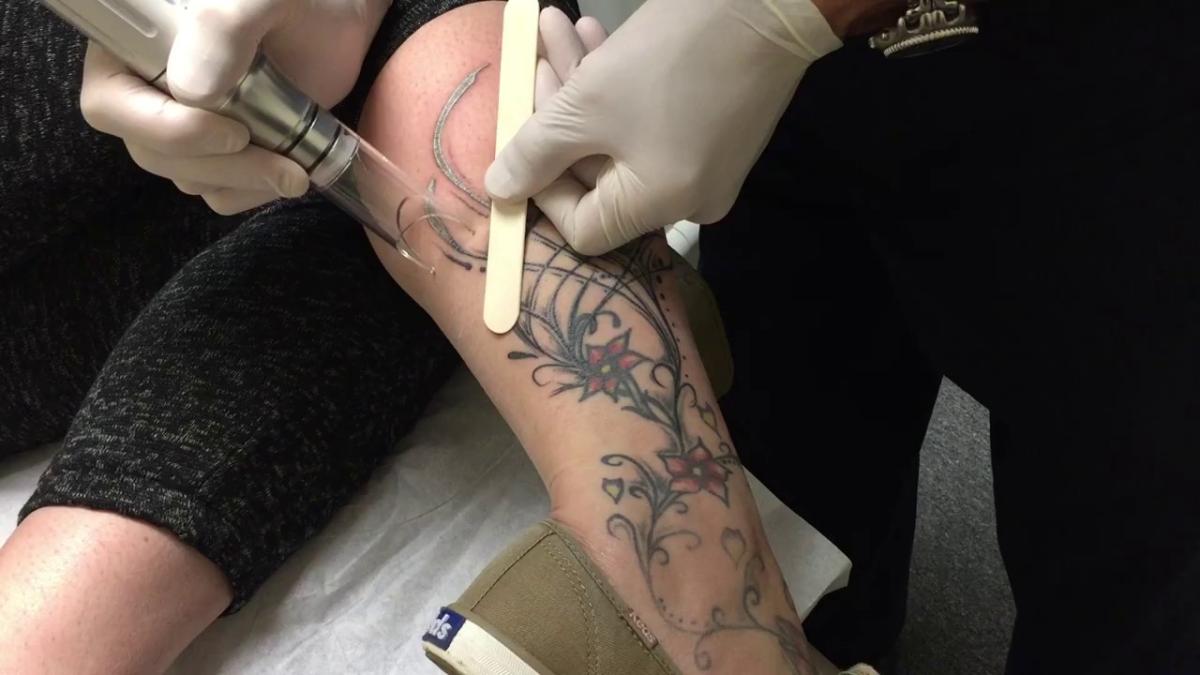
Laser tattoo removal works by breaking down tattoo ink particles into smaller fragments, which the body can then naturally eliminate. The lasers used are carefully calibrated to target specific ink colors and depths without damaging surrounding skin. Skilled practitioners, trained in dermatology and laser applications, ensure the procedure minimizes unnecessary stress on the skin. This precise targeting plays a key role in maintaining skin integrity while effectively removing tattoos.
How Skin Reacts to Laser Treatments?
Skin is composed of multiple layers, each with unique sensitivities. Laser treatments generate heat to fragment pigments, but modern laser systems are designed to focus energy selectively on tattoo ink, leaving adjacent skin relatively unaffected. This careful balance prevents excessive trauma, which can otherwise lead to blisters or burns. Expertise of the doctors administering the treatment ensures that energy levels are adjusted according to individual skin types for optimal safety.
Role of Professional Expertise
The competency of doctors in laser tattoo removal is crucial. Experts with dermatological training understand the nuances of different skin tones, thicknesses, and sensitivity levels. They can adjust treatment settings to suit each patient, thereby minimizing potential risks while enhancing effectiveness. This level of specialization ensures that the skin is handled with care throughout the procedure, preserving its natural barrier functions.
Does Laser Tattoo Removal Prevent Burns?
Laser tattoo removal itself is not a protective barrier against burns. Burns occur due to excessive heat exposure or chemical reactions on the skin, which are unrelated to the removal of tattoo pigments. However, professional laser treatment avoids unnecessary trauma, reducing the likelihood of the skin being weakened or more prone to burn injuries after the session. Safe and expertly performed laser procedures maintain the skin’s natural resilience.
Does Laser Tattoo Removal Prevent Blisters?
Blisters are typically caused by friction, heat, or chemical exposure, leading to fluid accumulation between skin layers. While laser tattoo removal aims to minimize surface trauma, it cannot directly prevent blisters from forming in everyday situations. Nonetheless, proper post-treatment care guided by experienced practitioners helps maintain skin health, reducing vulnerability to conditions that could exacerbate blister formation.
Skin Strengthening Benefits of Laser Procedures
Encourages skin regeneration
Stimulates subtle collagen production
Maintains skin elasticity
Enhances barrier function
Promotes overall skin health
Importance of Aftercare
Following laser tattoo removal, adherence to aftercare instructions is critical. This includes keeping the treated area clean, moisturized, and protected from excessive sun exposure. Expert doctors provide detailed guidance to ensure the skin heals correctly, maintaining its protective qualities and preventing additional injuries.
When Laser Removal is Most Effective?
Laser tattoo removal is most effective when personalized to the patient’s skin type, tattoo color, and placement. Specialized practitioners evaluate each case and select the appropriate laser wavelength and intensity. This tailored approach ensures minimal disruption to surrounding skin while maximizing pigment clearance, indirectly supporting skin resilience.
Patient Safety and Comfort
Patient comfort is a priority during laser tattoo removal. Localized cooling methods and gentle handling of the treated area reduce stress on the skin. Doctors with specialized training monitor skin reactions closely throughout the procedure, ensuring safety and comfort while achieving optimal results.
Skin Recovery Tips Post-Laser
Use gentle, fragrance-free moisturizers
Avoid prolonged sun exposure
Wear breathable clothing over treated areas
Avoid scratching or picking at healing skin
Follow doctor’s guidance on activity restrictions
FAQ's:
Can laser tattoo removal make my skin more resistant to burns?
Laser tattoo removal does not directly increase burn resistance but ensures skin is not compromised during the procedure.
Will my skin be more prone to blisters after removal?
If conducted professionally, laser treatments minimize trauma, which indirectly reduces the risk of blister formation.
How soon can I expose my skin to heat after laser removal?
Doctors recommend avoiding intense heat exposure until the skin has fully healed to prevent irritation.
Does skin type affect laser safety?
Yes, darker or sensitive skin requires specialized settings to avoid damage while effectively removing pigments.
Are multiple sessions necessary for better skin protection?
Multiple sessions are typically needed for pigment clearance, but each session should be spaced and managed to allow proper skin recovery.
Conclusion
Laser tattoo removal, when performed by highly trained and specialized doctors, ensures that the skin is treated safely and effectively. While it does not inherently protect against burns or blisters, the procedure preserves skin integrity, minimizing unnecessary trauma and supporting natural healing processes. Proper aftercare, guided by professional expertise, enhances the skin’s resilience and overall health. By understanding the science behind laser treatment and the importance of professional skill, patients can achieve successful tattoo removal while maintaining strong, healthy skin.