Does PDRN Treatment Improve Skin Texture Visibly?

PDRN treatment has gained popularity as an advanced skin rejuvenation procedure. It is celebrated for its potential to enhance skin quality, especially in terms of texture. Many individuals seeking a more youthful and smooth complexion are turning to this innovative therapy. PDRN, or Polydeoxyribonucleotide, is a regenerative agent that stimulates natural healing processes. When used in skin treatments, it can promote collagen production, improve elasticity, and reduce the appearance of fine lines and roughness. The growing interest in PDRN treatment Abu Dhabi reflects its reputation as a promising option for skin enhancement.
How PDRN Treatment Works
The Science Behind PDRN
PDRN is derived from DNA fragments, typically extracted from fish sources, which are then purified for medical use. When injected into the skin, these fragments stimulate the body’s natural repair mechanisms. This process encourages cellular regeneration and promotes the synthesis of essential skin components such as collagen and elastin.
The Process of PDRN Therapy
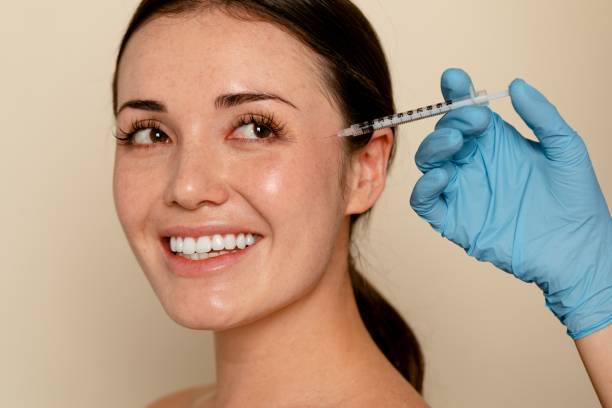
During a PDRN treatment session, a healthcare professional administers injections into targeted areas of the skin. The procedure is minimally invasive, usually involving multiple small injections across the treatment zone. Over time, the skin responds to the treatment by becoming firmer, smoother, and more evenly textured.
Benefits of PDRN Treatment
Stimulates collagen production
Enhances skin elasticity
Reduces fine lines and wrinkles
Improves skin hydration
Promotes overall skin regeneration
Visible Improvements in Skin Texture
How PDRN Contributes to Smoother Skin
Regular PDRN treatments can lead to noticeable changes in skin texture. As collagen levels increase, skin becomes firmer and more resilient. This results in a reduction of rough patches, uneven surfaces, and fine lines. Many individuals report feeling a significant difference in the smoothness and suppleness of their skin after a series of sessions.
Evidence of Skin Texture Enhancement
Clinical observations and patient testimonials indicate that PDRN treatment can visibly improve skin texture. Improvements are often observed within a few weeks following the initial sessions. The skin appears more youthful, with a refined surface that feels softer to the touch. The process is gradual, allowing natural skin rejuvenation to take place without abrupt changes, contributing to a more natural appearance.
Long-term Results
Consistent treatments can sustain and even enhance the benefits over time. As collagen continues to build, skin remains firm and smooth, making the effects of PDRN treatment in Abu Dhabi long-lasting. Many users appreciate the natural look achieved through this therapy.
Suitability and Ideal Candidates
Who Can Benefit from PDRN?
Individuals seeking to improve skin texture, especially those experiencing early signs of aging or skin dullness, often find PDRN treatment beneficial. It is suitable for various skin types and ages, particularly for those aiming for a non-surgical approach to skin rejuvenation.
Considerations Before Treatment
Candidates should have realistic expectations and consult with qualified professionals to determine suitability. The procedure is generally safe and well-tolerated, making it accessible to many individuals seeking skin improvement.
The Experience of PDRN Treatment
What to Expect During the Session
The procedure usually involves minimal discomfort, with most patients describing it as tolerable. The clinician will mark the treatment areas, cleanse the skin, and then proceed with injections. The entire process can take less than an hour, making it convenient for those with busy schedules.
Post-Treatment Feelings and Reactions
Following the treatment, the skin may feel slightly tender or appear mildly swollen, but these effects typically subside quickly. The focus is on allowing the skin to begin its natural regenerative process, which leads to visible improvements over time.
Aftercare Tips for Optimal Results
Keep the skin well-hydrated to support healing.
Avoid excessive sun exposure and use sun protection.
Refrain from harsh skincare products immediately after treatment.
Follow any specific instructions provided by the skincare professional.
Maintain a healthy lifestyle to support skin health.
Frequently Asked Questions (FAQs)
How many sessions are typically needed?
The number of sessions varies depending on individual skin conditions and goals. Usually, a series of treatments spaced a few weeks apart can provide optimal results. Maintenance sessions might be recommended annually to sustain the benefits.
Is PDRN treatment painful?
Most patients experience minimal discomfort during the procedure. The use of fine needles and gentle techniques helps reduce pain, and topical anesthetics can be used if necessary.
How soon can improvement be seen?
Initial improvements may be noticed within a few weeks post-treatment, with continued enhancements developing over subsequent months as collagen production progresses.
Are the results permanent?
While results can last for a significant period, ongoing skin care and periodic treatments are recommended to maintain the desired skin texture and appearance.
Can PDRN be combined with other treatments?
Yes, PDRN can be combined with other non-invasive skin rejuvenation procedures to enhance overall results. A consultation with a skincare professional can help determine the best approach based on individual needs.
Conclusion
PDRN treatment in Abu Dhabi offers a promising solution for those looking to improve their skin texture visibly. With its ability to stimulate natural skin regeneration, many individuals have experienced smoother, firmer, and more youthful-looking skin. As a minimally invasive and effective procedure, it continues to grow in popularity among those seeking non-surgical skin rejuvenation options. Proper consultation and adherence to aftercare can maximize the benefits, leading to a more radiant and confident appearance.
READ MORE : Can PDRN treatment boost collagen production?