Does Post-Surgical Scar Treatment Prevent Raised Scars?

Many patients wonder whether Does Post-Surgical Scar Treatment Prevent Raised Scars is a realistic expectation after a medical or cosmetic procedure. In fact, Post-Surgical Scar Treatment in Dubai has become a common step in recovery, especially for those who want smoother, less noticeable results. Clinics such as Dynamic Clinic in Dubai often emphasize early scar care as part of a comprehensive post-procedure plan, helping patients reduce the chances of thick or elevated scars forming.
Why Do Raised Scars Develop After Surgery?
Raised scars, including hypertrophic and keloid scars, occur when the body produces excess collagen during the healing process. While collagen is essential for repairing the skin, an overproduction can cause the scar to become thick, firm, and raised above the surrounding tissue.
Several factors increase the risk of raised scars:
Genetic predisposition
Location of the incision, especially on the chest, shoulders, or joints
Tension on the wound during healing
Infections or delayed wound care
Skin type and age
Understanding these causes helps patients and practitioners choose appropriate scar management strategies early in the healing phase.
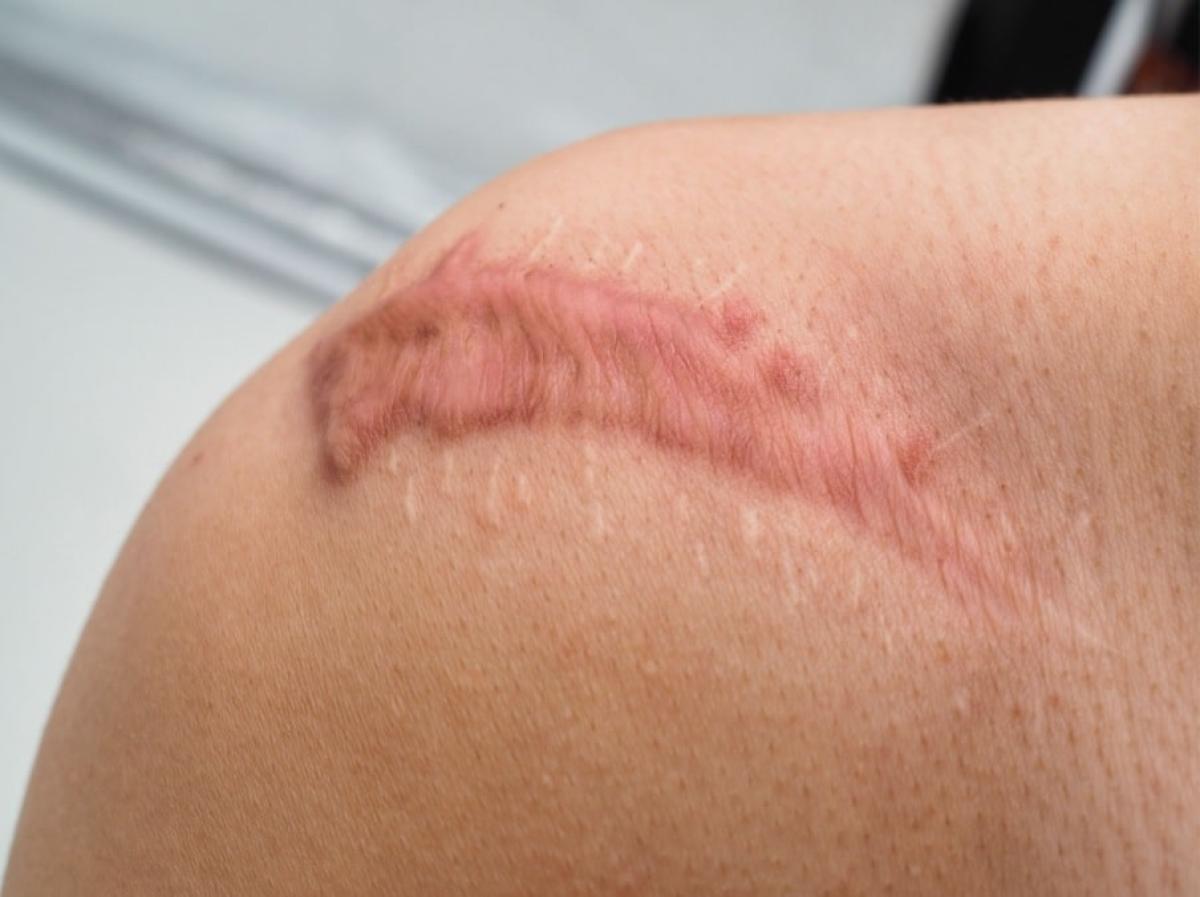
How Post-Surgical Scar Treatment Works
Post-surgical scar treatments are designed to regulate collagen production and support healthy tissue repair. These treatments are usually introduced once the incision has closed and the initial healing phase is complete.
Common approaches include:
Silicone-based products: Sheets or gels that hydrate the scar and reduce thickness
Laser therapy: Helps remodel scar tissue and improve texture
Microneedling: Stimulates controlled collagen production for smoother skin
Pressure therapy: Used in certain cases to flatten raised scars
Medical-grade topical treatments: Support skin regeneration and reduce inflammation
These methods focus on controlling the healing response, which is key to preventing abnormal scar formation.
Can Early Treatment Really Prevent Raised Scars?
Early intervention plays a major role in minimizing the risk of hypertrophic or keloid scars. When scar treatment begins at the right stage, it can:
Regulate excess collagen production
Keep the scar tissue soft and flexible
Reduce inflammation in the healing area
Improve overall scar appearance
Consistent care during the first few months after surgery is often the most effective way to prevent raised scars. Delaying treatment may allow the scar to become thicker and more difficult to manage.
Key Stages of Post-Surgical Scar Care
Scar prevention typically follows a structured timeline:
Immediate healing phase: Focus on wound protection and hygiene
Early scar phase: Introduction of silicone products or gentle topical treatments
Scar maturation phase: Advanced treatments such as laser or microneedling if needed
Each stage requires different techniques, and professional guidance ensures the treatment matches the scar’s development.
Who Is Most Likely to Benefit from Scar Treatment?
While most surgical scars heal flat and soft, some individuals are more prone to raised scars. Post-surgical scar treatment is particularly beneficial for:
People with a history of keloids or hypertrophic scars
Patients undergoing procedures on high-tension areas
Individuals with darker skin tones, who may have a higher risk of keloid formation
Anyone seeking a smoother cosmetic outcome
Personalized treatment plans can significantly improve results for these groups.
Lifestyle Habits That Support Better Scar Healing
In addition to clinical treatments, certain daily habits can support the healing process:
Keeping the scar protected from sun exposure
Avoiding unnecessary tension or stretching of the incision area
Following proper wound care instructions
Maintaining a balanced diet to support skin repair
These simple practices can enhance the effectiveness of professional scar treatments.
Conclusion
Post-surgical scar treatment can play a significant role in preventing raised scars by guiding the skin’s healing process and controlling excess collagen formation. With early intervention, consistent care, and the right treatment approach, many patients can achieve smoother, less noticeable scars after surgery.