Does Sun Exposure Affect Dermal Pigmentation?

Sun exposure can have a significant impact on dermal pigmentation, affecting how your skin looks and responds over time. For individuals seeking the Best Dermal Pigmentation in Dubai, understanding the role of sunlight is crucial in maintaining the longevity and quality of treatments. Clinics like Dynamic Clinic in Dubai emphasize the importance of proper aftercare, including sun protection, to ensure that pigmentation results remain vibrant and even.
How Sun Exposure Influences Skin Pigmentation
Ultraviolet (UV) rays from the sun stimulate melanocytes, the cells responsible for producing melanin, which gives skin its color. While melanin provides some protection against UV damage, excessive sun exposure can:
Darken existing pigmentation
Cause uneven skin tone
Trigger hyperpigmentation in treated areas
Lead to premature fading of dermal pigments
Understanding this connection is essential for anyone considering dermal pigmentation procedures, as sun exposure can undermine the desired results.
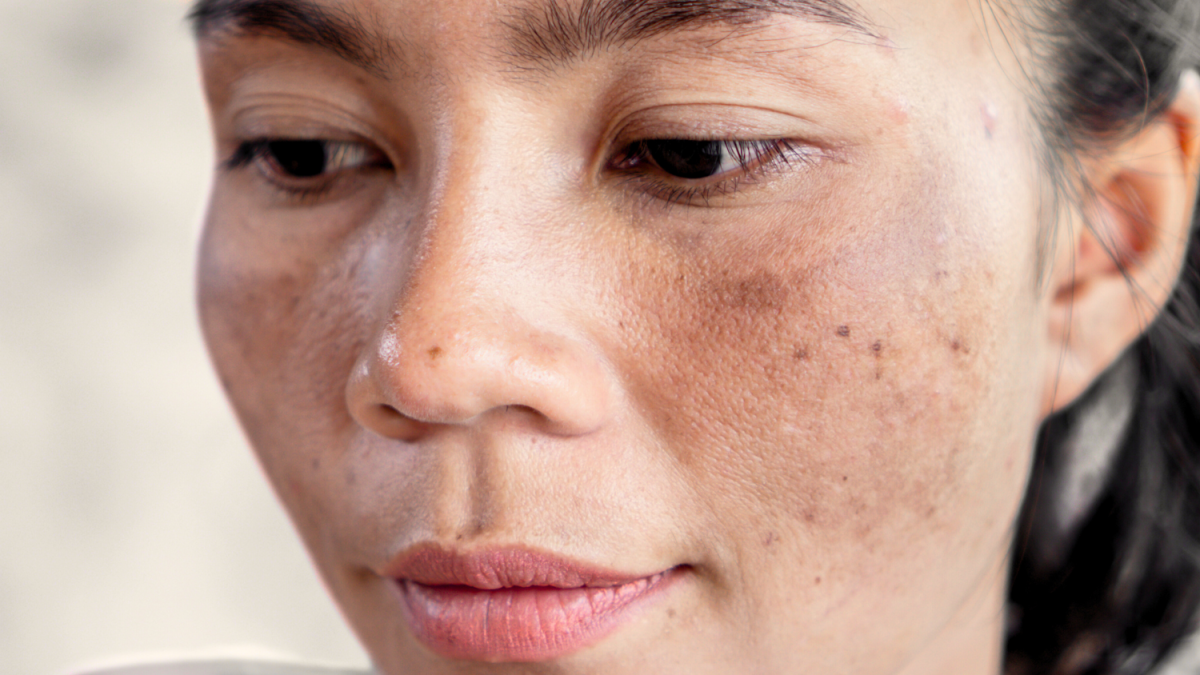
Types of Pigmentation Affected by Sunlight
Not all pigmentation reacts the same way to sun exposure. Common types affected include:
Post-inflammatory hyperpigmentation (PIH): Skin darkening after acne, injuries, or treatments. UV exposure can worsen PIH.
Freckles and sun spots: Naturally occurring pigmentation that increases with sunlight.
Dermal pigment implants: Tattooed or semi-permanent pigments may fade faster under direct sun.
Proper protection strategies help maintain consistency in pigment appearance and overall skin health.
Preventive Measures to Protect Dermal Pigmentation
Maintaining dermal pigmentation results requires a proactive approach to sun care. Recommended measures include:
Broad-Spectrum Sunscreen: Apply SPF 30 or higher daily, even on cloudy days.
Protective Clothing: Wear hats, long sleeves, and UV-blocking fabrics when outdoors.
Avoid Peak Sun Hours: Limit sun exposure between 10 AM and 4 PM when UV intensity is highest.
Regular Skin Checkups: Periodic assessments help identify early signs of pigment changes and prevent long-term damage.
These strategies ensure that pigmentation remains vibrant while reducing the risk of uneven tones or fading.
Aftercare Tips for Dermal Pigmentation
After undergoing dermal pigmentation treatments, the following care practices are vital for long-lasting results:
Avoid direct sun exposure for at least 2–4 weeks post-treatment
Use gentle, non-exfoliating cleansers to prevent pigment disruption
Moisturize regularly to maintain healthy skin barrier function
Reapply sunscreen every two hours during outdoor activities
Following these steps minimizes the risk of pigment alteration and protects treated areas from UV-induced damage.
Environmental Factors That Amplify Sun Damage
Beyond direct sunlight, other environmental elements can influence dermal pigmentation:
Reflective surfaces: Sand, water, and concrete can intensify UV exposure
High-altitude areas: Increased UV intensity accelerates pigment darkening
Air pollution: Particulate matter can contribute to skin irritation and uneven pigmentation
Awareness of these factors allows individuals to take extra precautions to maintain pigmentation integrity.
Conclusion
Sun exposure plays a critical role in the health and appearance of dermal pigmentation. While UV rays can darken, fade, or cause uneven tones, adopting protective measures and following proper aftercare significantly preserves the results of treatments. For residents in Dubai seeking Best Dermal Pigmentation in Dubai, understanding how sunlight interacts with your skin ensures that treatments remain effective and long-lasting, supporting healthier, more radiant skin.