Does Warts Removal Leave Scars On The Skin?

Warts removal in Abu Dhabi has become a popular choice for many individuals seeking effective treatments for skin growths. People often wonder if these procedures leave scars behind, especially since skin appearance is a significant concern. Understanding the process and outcomes of warts removal in Abu Dhabi can help individuals make informed decisions about their skincare journey.
Understanding Warts and Their Removal Procedures
Warts are benign skin growths caused by the human papillomavirus (HPV). They can appear on different parts of the body, and their appearance varies from small bumps to larger, cauliflower-like growths. Many seek removal for aesthetic reasons or discomfort caused by warts.
Warts removal procedures are designed to eliminate these growths efficiently. The methods used typically include cryotherapy, electrosurgery, laser removal, or chemical treatments. Each technique aims to target the wart directly, destroying the affected tissue while aiming to preserve the surrounding healthy skin.
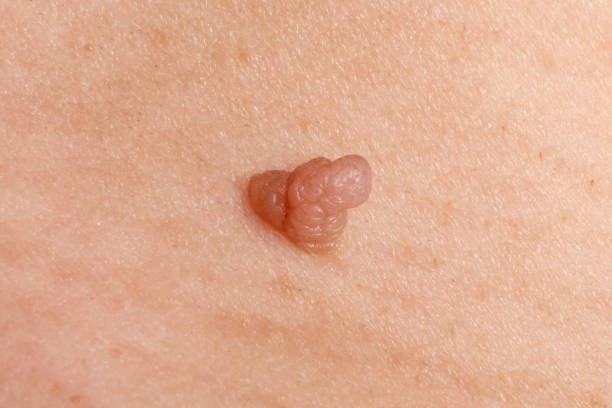
Do Warts Removal Treatments Leave Scars?
The possibility of scarring after wart removal is a common concern among individuals considering treatment options. The likelihood of scars depends on several factors, including the method used, the size and location of the wart, and the skin type of the individual.
In general, modern wart removal techniques aim to minimize scarring. Advances in dermatological treatments have made it possible to remove warts effectively while reducing the risk of visible scars.
Factors Influencing Scarring After Warts Removal
Size and Depth of the Wart
Larger or deeper warts may require more aggressive removal techniques, which can sometimes lead to a higher chance of scarring. Smaller, superficial warts are typically easier to remove with minimal or no scarring.
Location of the Wart
Warts located on areas with thinner or more delicate skin, such as the face or neck, are more prone to scarring. Conversely, warts on thicker skin areas, like the soles of the feet, tend to heal with less noticeable scars.
Technique Used for Removal
Different procedures have varying impacts on the skin. For example, cryotherapy often results in minimal scarring, especially when performed correctly. Laser treatments are precise and tend to cause less damage to surrounding tissue, reducing scar formation. Electrosurgery, if not done carefully, might leave a more noticeable mark.
Skin Type and Healing Response
Individual differences in skin type and healing ability play significant roles. Some skin types are more prone to scarring, especially if the skin tends to develop hypertrophic scars or keloids.
How Warts Removal in Abu Dhabi Is Designed to Minimize Scarring
Clinicians practicing in Abu Dhabi use advanced techniques tailored to each patient's needs. They aim to achieve complete wart removal while preserving the skin’s natural appearance. Techniques such as laser removal and cryotherapy are favored for their precision and minimal invasiveness.
Pre-procedure evaluations help determine the most suitable method based on the wart's location, size, and the patient’s skin type. Post-procedure care instructions are provided to support optimal healing and minimize the risk of scarring.
Aftercare Tips to Promote Skin Healing and Reduce Scarring
Proper aftercare is crucial in ensuring smooth healing after wart removal. Keeping the treated area clean and avoiding picking or scratching the wound helps prevent infection and unnecessary scarring.
Applying recommended ointments or dressings as advised by the skincare professional can aid in healing. Protecting the area from excessive sun exposure is also beneficial, as UV rays can darken scars and make them more noticeable.
Maintaining a healthy skincare routine and staying hydrated support the body's natural healing processes. If any signs of abnormal healing or unusual scars develop, consulting a skincare specialist promptly is recommended.
FAQs About Warts Removal Abu Dhabi and Scarring
Is scarring inevitable after wart removal?
Scarring is not always inevitable. With modern techniques and proper aftercare, many individuals experience minimal or no scarring after wart removal.
Which removal methods are least likely to leave scars?
Procedures like cryotherapy and laser removal are generally associated with a lower risk of scarring due to their precision and minimal invasiveness.
Can scars fade over time?
Yes, scars can become less noticeable over time as the skin heals. Using specific skincare products and protecting the area from sun exposure can enhance this process.
Are there specific skin types that are more prone to scarring?
Individuals with certain skin types or those prone to keloids or hypertrophic scars may experience more noticeable scars. Consulting a skincare professional can help in planning the best approach.
How long does it take for scars to heal after wart removal?
Healing time varies depending on the removal method, size of the wart, and individual healing capacity. Typically, the initial healing phase lasts a few weeks, with scars gradually fading over months.
Final Thoughts
Warts removal Abu Dhabi offers effective solutions for eliminating skin warts with a focus on preserving skin appearance. While some treatments may carry a risk of scarring, advancements in dermatological procedures have significantly reduced this concern. Proper technique selection, tailored treatment plans, and diligent aftercare contribute to achieving smooth, scar-free results. For anyone considering wart removal, understanding these factors can help set realistic expectations and ensure a positive outcome.
READ MORE : How long does warts removal take to heal fully?