Does Wrinkles Removal Require Consultation?

Does Wrinkles Removal Require Consultation? This is a common question among individuals exploring non-surgical aesthetic treatments for smoother, younger-looking skin. In Dubai’s highly regulated aesthetic landscape, a professional consultation is considered a foundational step before proceeding with Wrinkles Removal Dubai procedures. At Dynamic Clinic in Dubai, consultations are positioned as an essential part of informed decision-making, ensuring treatments align with individual skin needs and expectations.
Understanding Wrinkles and Skin Aging
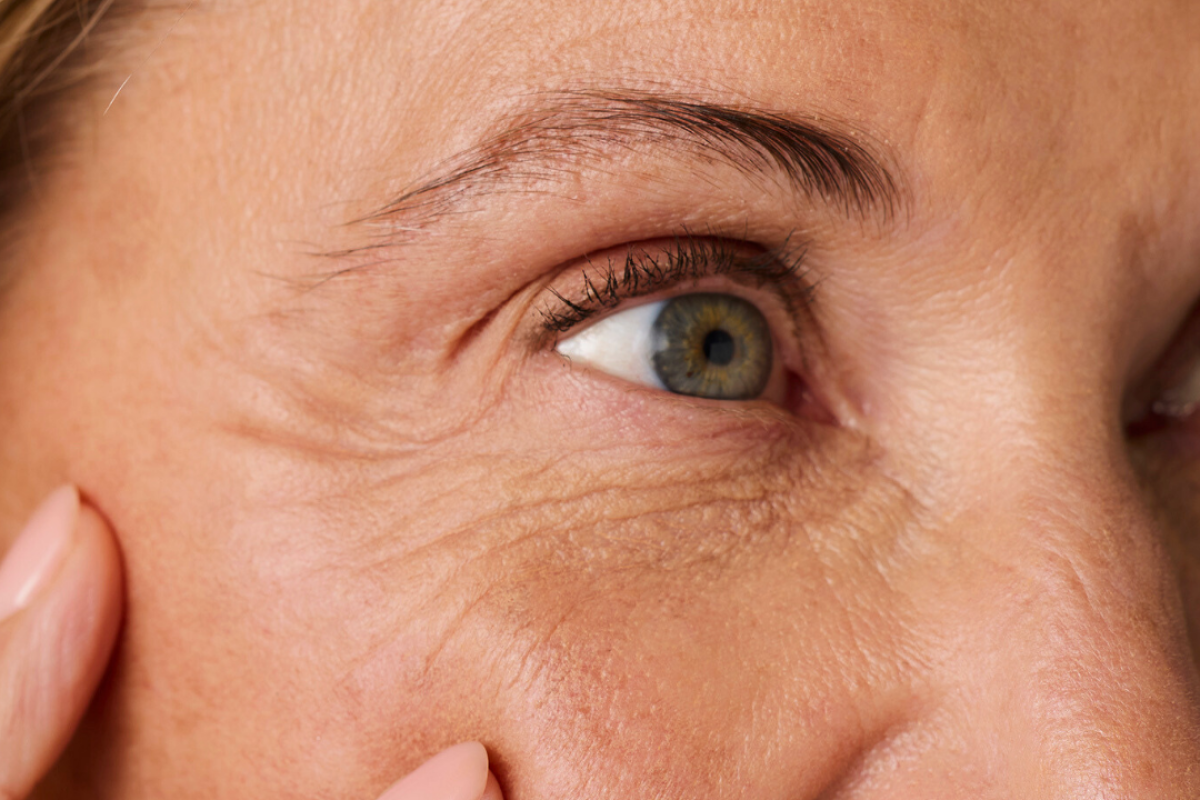
Wrinkles develop due to a combination of intrinsic aging and external factors such as sun exposure, environmental stress, facial expressions, and lifestyle habits. Skin elasticity and collagen levels naturally decrease over time, leading to fine lines and deeper creases. Wrinkles removal treatments are designed to address these changes, but the effectiveness and suitability depend heavily on skin type, wrinkle depth, and overall skin health.
Why Consultation Is a Critical First Step
A consultation allows practitioners to evaluate whether wrinkles removal is appropriate for an individual. Skin conditions, medical history, and aesthetic goals vary widely, making a standardized approach unsuitable. Professional assessment ensures the selected technique supports natural-looking outcomes and minimizes unnecessary risks.
Key reasons consultation is required include:
Identifying the type and severity of wrinkles
Assessing skin sensitivity and underlying conditions
Understanding patient expectations and desired outcomes
Determining the most suitable non-surgical or minimally invasive approach
Personalization of Treatment Plans
Wrinkles removal is not a one-size-fits-all solution. A consultation helps customize a treatment plan that aligns with facial anatomy and aging patterns. Factors such as facial muscle movement, skin thickness, and hydration levels influence the choice of procedure. Personalization improves treatment precision and supports balanced, natural-looking results.
Safety and Regulatory Considerations in Dubai
Dubai maintains strict standards for aesthetic treatments, emphasizing patient safety and ethical practice. Consultation ensures compliance with these standards by confirming eligibility and ruling out contraindications. This process supports transparency and builds trust between patients and practitioners while adhering to local healthcare regulations.
Managing Expectations and Treatment Outcomes
One of the most valuable aspects of consultation is setting realistic expectations. Wrinkles removal can soften lines and rejuvenate appearance, but results vary depending on skin response and lifestyle factors. Clear communication during consultation helps patients understand what outcomes are achievable and how long results may last, fostering satisfaction and informed consent.
Psychological and Emotional Readiness
Aesthetic treatments can influence self-perception and confidence. Consultation provides an opportunity to assess emotional readiness and motivations behind seeking wrinkles removal. This step ensures decisions are made thoughtfully rather than impulsively, aligning treatment choices with long-term personal goals.
Role of Aftercare Guidance
Consultation also introduces patients to post-treatment care requirements. Proper aftercare supports skin recovery and enhances results. Guidance on skincare routines, sun protection, and lifestyle adjustments is typically discussed during this phase, reinforcing the importance of professional oversight throughout the treatment journey.
Conclusion
Wrinkles removal requires consultation to ensure safety, personalization, and realistic expectations, particularly in a market like Dubai where quality and compliance are prioritized. From assessing skin health to planning aftercare, consultation forms the backbone of effective aesthetic treatment, supporting informed decisions and responsible outcomes aligned with EEAT principles.