Electric Vehicle Repair Guide: What EV Owners Need To Know In 2026

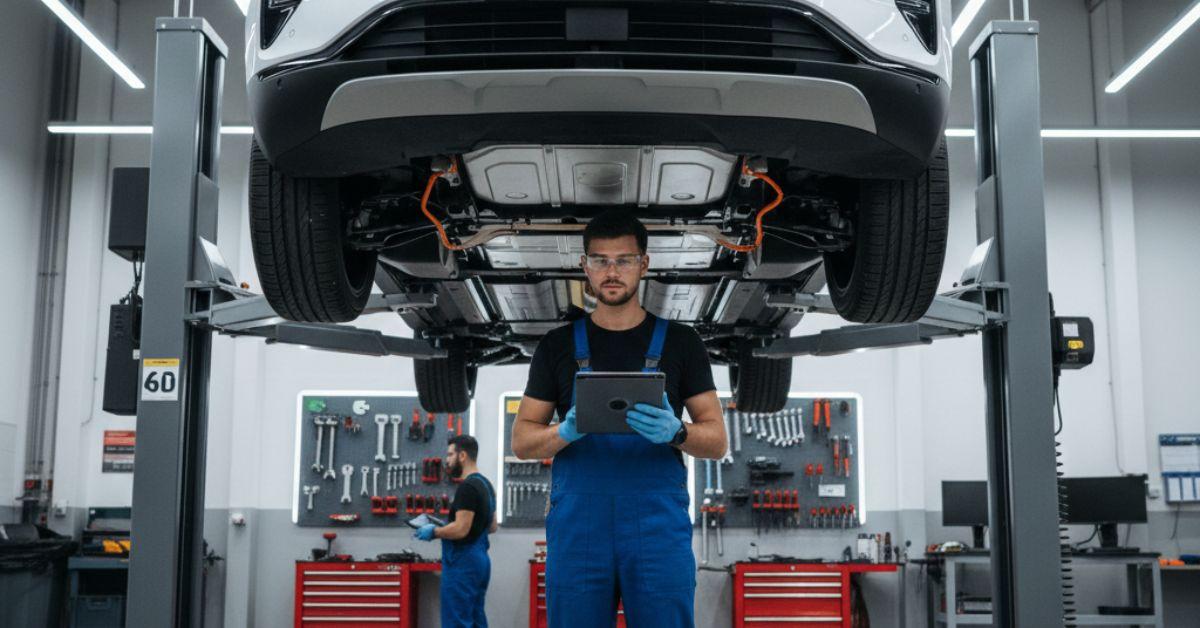
Electric vehicles are no longer a future concept but a mainstream choice for UK drivers. By 2026, EV ownership is set to rise sharply, driven by stricter emissions regulations, improved charging infrastructure, and more affordable battery technology.
As adoption grows, there is a clear shift in how drivers approach Electric Vehicle Service and repairs. Traditional car servicing routines don’t always apply to EVs, leaving many owners unsure what to expect when issues arise.
This electric vehicle repair guide breaks down how EV repairs work, how they differ from petrol and diesel vehicles, and how drivers can make informed service decisions to keep their cars safe, reliable, and cost-effective over the long term.
How Electric Vehicle Repairs Differ from Petrol Cars
The biggest difference between EVs and conventional vehicles is mechanical complexity, or rather, the lack of it. Electric vehicles have far fewer moving parts, which reduces wear-related failures but introduces new repair considerations.
Instead of engines, gearboxes, and exhaust systems, EVs rely on:
High-voltage battery packs
Electric motors
Power electronics and control units
Regenerative braking systems
This shift changes both the type of repairs required and who is qualified to carry them out.
Common Electric Vehicle Repair Areas in 2026
While EVs generally require less routine maintenance, repairs still happen. Understanding common repair areas helps owners recognise issues early.
Battery Health and Performance
The battery is the most valuable component of an electric vehicle. While modern EV batteries are designed to last many years, issues can arise due to:
Degradation over time
Charging habits
Software faults
Thermal management failures
In most cases, repairs involve diagnostics or module replacement rather than full battery replacement, which helps control costs.
Electric Motor and Power Electronics
Electric motors are durable, but problems can occur in:
Inverters
Cooling systems
Control modules
These components require specialist diagnostics and trained technicians, making the choice of repair facility especially important.
Braking Systems
EVs use regenerative braking, which reduces wear on traditional brake components. However, this can also lead to:
Brake corrosion
Uneven wear due to infrequent use
Regular inspections remain essential, even if brake pads last longer than expected.
Software and System Updates
By 2026, software issues are one of the most common EV repair triggers. Fault warnings, charging problems, and performance issues are often resolved through updates or recalibration rather than physical repairs.
Can Any Garage Repair an Electric Vehicle?
One of the most common questions EV owners ask is whether they can use a local garage or must return to a dealership.
Specialist Knowledge Matters
Electric vehicle repairs require:
High-voltage safety training
EV-specific diagnostic equipment
Manufacturer-approved procedures
Not all garages are equipped or certified to work on EVs. Choosing an unqualified repairer can lead to safety risks or invalid warranties.
Independent EV Repair Shops
By 2026, more independent garages are investing in EV training and certification. These workshops can offer:
Lower labour costs
Flexible repair options
Transparent pricing
However, owners should always confirm EV certification before booking.
Repair Costs: What EV Owners Should Expect
Electric vehicle repairs are often misunderstood when it comes to cost.
Lower Routine Maintenance Costs
EVs eliminate expenses such as:
Oil changes
Timing belts
Exhaust repairs
This significantly reduces long-term servicing costs.
Higher Specialist Repair Costs
When repairs are needed, costs may be higher due to:
Specialist labour
Advanced diagnostics
Limited availability of some components
Battery-related repairs remain the most expensive, although full replacements are far less common than many drivers fear.
Warranty Coverage and Repairs
Understanding warranty protection is critical for EV owners.
Battery Warranties
Most manufacturers offer battery warranties of:
8 years
Or 100,000 miles
This coverage often includes protection against excessive degradation, providing peace of mind for owners.
Software and System Coverage
Many EV faults are resolved under warranty, particularly those related to software updates, charging systems, or power management issues.
Owners should always check warranty terms before approving repairs.
When to Book an EV Repair
EVs don’t always show obvious mechanical symptoms, so recognising early warning signs is essential.
Warning Lights or Error Messages
Dashboard alerts should never be ignored. EV systems monitor performance closely and can detect issues before they become serious.
Charging Problems
Slower charging, interrupted sessions, or charging failures often indicate system or software issues that require professional attention.
Reduced Driving Range
A noticeable drop in range may point to battery health issues, tyre problems, or software calibration errors.
How to Extend EV Lifespan and Reduce Repairs
Preventive care remains important, even for electric vehicles.
Smart Charging Habits
Avoid frequent rapid charging when possible
Keep battery levels between recommended ranges
Follow manufacturer guidance on long-term charging
Regular Inspections
Even with fewer moving parts, routine checks help identify:
Cooling system issues
Suspension wear
Brake condition
Software Updates
Keeping vehicle software up to date improves efficiency, reliability, and system stability.
The EV Repair Landscape in 2026
As electric vehicle adoption accelerates, the repair ecosystem is evolving. Manufacturers, independent garages, and accident repair centres are expanding EV capabilities to meet demand.
This increased competition is improving availability, reducing costs, and giving owners more choice.
By 2026, EV repairs are no longer a niche service, but a growing part of mainstream automotive maintenance.
Common Questions EV Owners Ask
Are EV repairs more expensive than petrol cars?
Routine servicing is cheaper, but specialist repairs can cost more. Overall ownership costs are often lower.
How long do EV repairs take?
Many repairs are quicker due to fewer mechanical components, but parts availability can affect timelines.
Is battery replacement common?
No. Most battery issues involve diagnostics or partial repairs rather than full replacement.
Final Thoughts
Understanding electric vehicle repairs is an essential part of EV ownership in 2026. While electric vehicles require less routine maintenance, they depend on specialist knowledge, advanced diagnostics, and informed decision-making.
This electric vehicle repair guide highlights what owners should expect, how to recognise issues early, and how to choose the right repair support.
With proper care and the right expertise, EVs can deliver reliable, efficient, and cost-effective performance for years to come.