Enrichment Classes For Kids – 6 Tips For Making A Good Selection

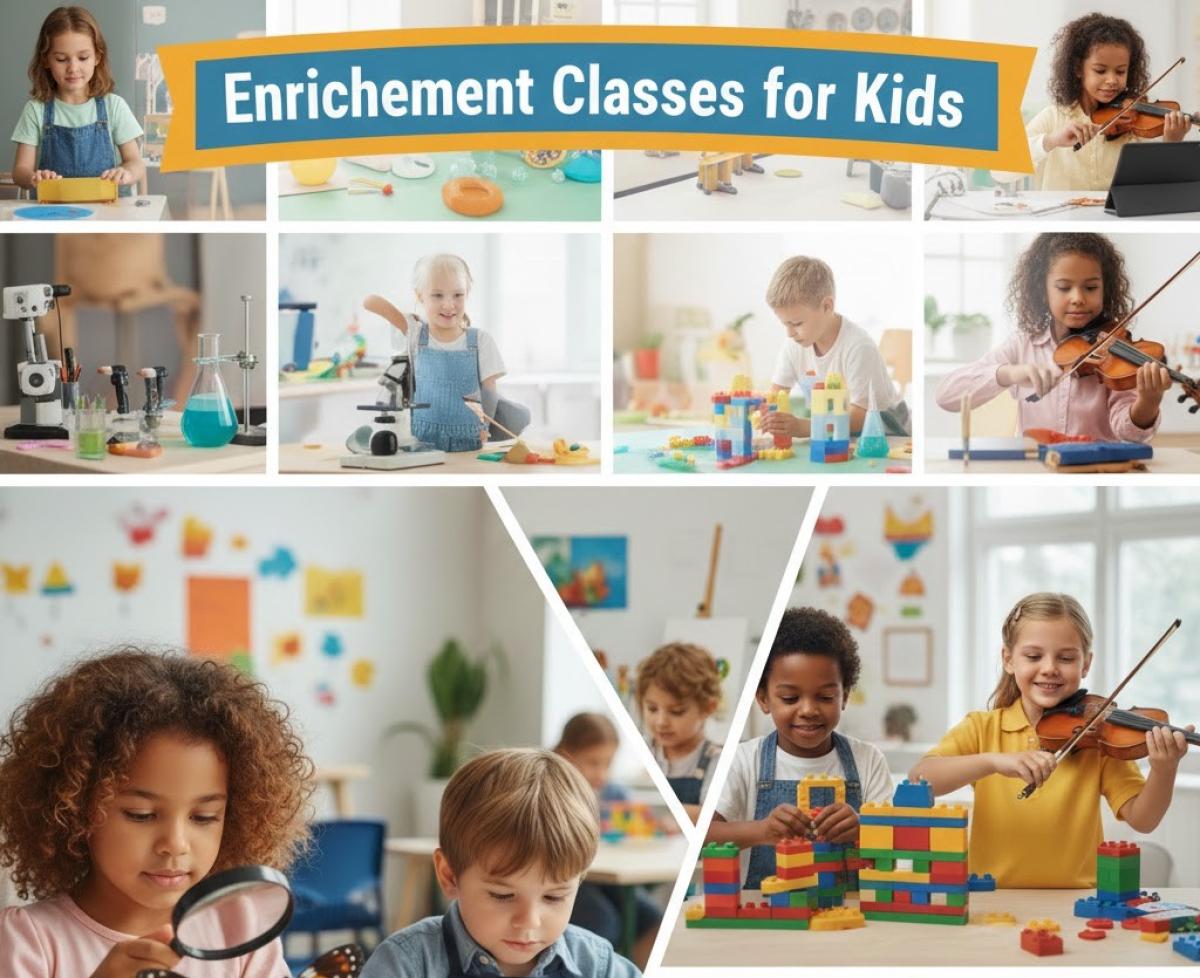
children enrichment classes
Parents want learning that feels meaningful or joyful for their children. Enrichment options promise growth, creativity with confidence, yet the wide range can confuse even careful families. Each choice influences how a child thinks, feels, or responds to new challenges over time. Children enrichment classes often aim to build skills beyond textbooks, which makes selection even more important. A thoughtful approach helps parents avoid pressure to focus on fit. By looking at interest, teaching style, or values, families can choose options that support steady learning with lasting curiosity.
Tip 1: Match the Class With Your Child’s Interests
Why Interest Shapes Learning
A child learns best when interest leads the way. Curiosity fuels effort, or effort builds skill in a steady manner. In contrast, forced learning often fades fast. When a class links with what a child loves, learning feels natural or welcoming, which supports lasting growth.
How to Spot Real Interest
Parents can notice patterns through play to talk over time. These signals, in turn, guide better choices.
- Even watch themes that draw your child in.
- While listening to the questions your child shares.
- Even choose areas that invite play or discovery.
While interest drives focus, the right match keeps learning steadily, while also supporting confidence.
Tip 2: Check How the Class Builds Skills
Skills that Matter Beyond School
Strong programmes shape thinking, not facts alone. Skills such as problem-solving, teamwork, or clear speech support growth across life. As a result, children gain tools they can use in many settings.
Signs of Strong Skill Design
A good child enrichment program structure shows a clear intent to steadily challenge across lessons.
- While looking for problem-solving tasks.
- Even notice the chances for teamwork to talk.
- Also seek projects that stretch thinking.
While drills tire young minds, challenges spark growth with pride through effort to success, which strengthens belief in learning.
Tip 3: Review the Learning Approach
Teaching Style with Child Response
The teaching style guides how a child engages with ideas. A clear approach keeps lessons active, which is meaningful that help children stay involved.
Active Learning in Practice
Children learn through action, talk, or reflection. For this reason, child enrichment program classes should support this cycle with care.
- Even favour hands-on activities.
- While checking for guided practice.
- Also, ensure room for questions.
Even children learn through doing, active lessons leave stronger marks or a deeper understanding across topics.
Tip 4: Observe Class Size with Interaction
Why Group Size Matters
Group size shapes attention, care, or comfort during learning. Balanced numbers help children share ideas to feel seen, which builds trust.
What Healthy Interaction Looks Like
Strong interaction builds respect for the teacher with the child over time.
- Even smaller groups allow feedback.
- While teachers can spot needs.
- Even children gain space to speak.
Yet even larger groups can work when structure stays firm or fair, provided routines stay clear or supportive.
Tip 5: Ensure Progress Feels Visible
Growth that Children Can See
Progress should show across time. Clear goals help children link effort with results; this link builds belief in their own ability.
Ways Progress Gets Supported
Tracking does not mean pressure. Instead, it offers guidance and clarity.
- Keep asking how progress gets tracked.
- Also, look for regular feedback.
- Even check for goal setting.
When progress shows, confidence rises, and effort holds, even during harder stages of learning.
Tip 6: Align with Your Family Values
Learning that Fits Home Life
Learning should echo home values. When class culture and family values connect, children feel safe and supported throughout the journey.
Areas to Reflect On
Parents can review how the class supports character and balance with care.
- While checking themes and methods.
- Even note respect and kindness.
- Also, ensure balance with school life.
So the class supports both growth and well-being, while also respecting family routines.
Guidance that Supports Smart Choices
Balance Structure with Freedom
Children need guidance, yet they also need space to explore ideas; therefore, a good class blends clear goals with room for choice. Through this balance, children build responsibility and creativity together.
Watch Your Child’s Response Over Time
A child’s mood and energy after class offer clear clues, while joy, stories, and pride often point to a strong fit. On the other hand, stress or silence may signal a mismatch. Parents can adjust choices based on these signs.
Support Learning Beyond the Classroom
Learning grows when families show interest. Simple talks at home help children reflect and connect ideas. As a result, this support strengthens the value of the class and deepens understanding.
Creating a Positive Learning Atmosphere
A learning space shapes how children feel about new ideas. When the setting feels safe and welcoming, children step forward to explore and share thoughts. As a result, a supportive atmosphere builds comfort and trust, which helps learning flow with ease and purpose over time.
Elements that Shape the Atmosphere
- Keep warm words that build respect.
- Even clear routines that offer security
- Also, spaces that spark focus and movement
Even materials that invite care and interest
Encouraging Curiosity Through Exploration
Children grow when they explore without fear of mistakes. In this way, exploration lets them test ideas, ask questions, and form opinions. Over time, this process deepens understanding and keeps interest alive and active.
Ways Exploration Supports Learning
- Open tasks that also invite choice
- Questions that stir deeper thinking
- Even chances to try fresh ideas
- Freedom to learn from results
Building Emotional Confidence in Learning
Emotional strength guides how children face challenges. With steady support, confidence grows when effort earns praise and mistakes feel safe. While this, children stay engaged even during harder tasks.
- Signs of Emotional Support
- Also, take feedback that values effort.
- Even give calm replies to mistakes.
- While doing encouragement to share ideas
- Keep respect for the learning pace.
Supporting Social Growth Alongside Learning
Learning often unfolds through interaction. Through shared moments, children practise sharing ideas, listening, and working together. In turn, these moments sharpen communication and empathy.
Social Skills that Develop Naturally
- Turn-taking during group work
- Listening to different views
- Working towards shared goals
- Respecting others’ opinions
Maintaining Balance Between Learning and Rest
Children thrive when learning blends with rest and play. As a result, balance guards energy and interest, while also supporting wellbeing. In this way, a healthy rhythm keeps learning enjoyable and steady.
Ways to Balance Supports Wellbeing
- Time for play and rest.
- Breaks that renew focus.
- Fair expectations for effort.
- Space for free creativity.
Final Thoughts
Choosing enrichment should feel calm and clear, not rushed or driven by trends. The right option supports confidence, curiosity, and balance across daily life. Small details, such as teaching style and interaction, shape how learning feels for a child. Children enrichment classes work best when they align with interests, values, and visible progress. With steady guidance, children grow skills while keeping joy in learning. A careful choice today builds habits that support growth, resilience, and a love for discovery well into the future.
FAQ
Q 1: How can parents tell if a learning activity suits their child?
Parents can notice their child’s mood, interest, or energy after sessions. Smiles, stories, or questions often signal a good match, while silence or worry may point to the need for change.
Q 2: How much time should children spend in extra learning activities?
Children thrive with a healthy mix of learning, play or rest. Short and regular sessions keep focus strong, while long hours drain energy to reduce joy over time.
Q 3: Should parents stay involved after choosing a programme?
Yes, parent involvement matters. Simple talks, steady support, or shared interests help children reflect on learning, feel encouraged to grow confidence, which strengthens long-term progress.