Ethical Hair Transplant Considerations

Hair loss affects millions worldwide, prompting many to seek solutions like surgical restoration. Ethical considerations ensure patients receive safe, transparent, and effective treatments without exploitation. Hair transplant Riyadh(زراعة الشعر الرياض) This blog dives into key factors, helping you make informed decisions. Imagine regaining confidence through a procedure that prioritizes your well-being over quick profits— that's the essence of ethical care.
True ethics in hair restoration start with patient education and realistic expectations. Hair transplant in Riyadh stands out for its adherence to global standards, blending advanced techniques with cultural sensitivity. Providers here emphasize informed consent, avoiding overhyped promises. By focusing on long-term results, ethical practices build trust and deliver natural-looking outcomes that last.
Understanding Informed Consent
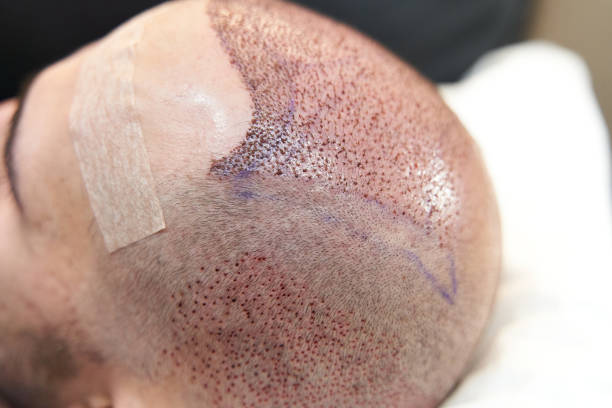
Informed consent forms the bedrock of any ethical procedure. Patients must fully grasp risks, benefits, and alternatives before signing on. Ethical clinics provide detailed consultations, explaining graft survival rates and potential complications in plain language.
This process empowers you to weigh options like Follicular Unit Extraction (FUE) versus Follicular Unit Transplantation (FUT). No pressure tactics or rushed decisions— just clear facts. In regions like Riyadh, where medical tourism thrives, ethical centers shine by offering multilingual resources, ensuring expatriates and locals alike understand every step.
Practitioner Qualifications and Transparency
Ethical hair restoration demands board-certified surgeons with proven expertise. Look for specialists trained in the latest methods, backed by verifiable credentials. Transparency means open sharing of before-and-after photos from similar cases, not stock images.
Surgeons should discuss their success rates honestly, including any revisions performed. This builds credibility. In competitive markets, ethical practitioners avoid misleading claims, focusing instead on personalized assessments. Riyadh's top facilities often highlight international accreditations, reassuring patients of high standards.
Verifying Surgeon Experience
Check years in practice and procedure volumes. Ethical pros perform hundreds annually, refining skills. Patient testimonials add value, but cross-verify with independent reviews.
Importance of Team Credentials
The entire team matters— technicians must be skilled in graft handling to prevent damage. Ethical clinics train staff rigorously, minimizing errors.
Patient Safety Protocols
Safety protocols define ethical excellence. Sterile environments, advanced anesthesia, and infection prevention are non-negotiable. Clinics follow WHO guidelines, using single-use tools to eliminate cross-contamination risks.
Pre-op health screenings identify contraindications like clotting disorders. Post-op monitoring ensures smooth recovery. Ethical care extends to emergency preparedness, with protocols for rare complications like infections.
Sterilization and Facility Standards
State-of-the-art sterilization reduces risks to near zero. JCI-accredited facilities in Riyadh exemplify this, offering hospital-grade hygiene.
Post-Procedure Follow-Up
Ethical providers schedule multiple check-ins, addressing swelling or itching promptly. This ongoing support prevents minor issues from escalating.
Realistic Expectations and Outcome Transparency
Ethical consultations set realistic goals. No guarantees of celebrity hairlines— instead, discussions on donor area limitations and natural density. Tools like digital simulations preview outcomes accurately.
Patients learn about growth timelines: initial shedding followed by new growth in 3-6 months. Transparency about factors like age or lifestyle influencing results fosters satisfaction.
Managing Growth Phases
Understand anagen, catagen, and telogen cycles. Ethical advice includes scalp care to optimize follicle health.
Revision Policies
Honest providers outline fair revision policies for suboptimal results, prioritizing patient happiness.
Sustainable and Natural Results
Ethics favor techniques yielding undetectable results. FUE, with its no-linear-scar advantage, aligns with modern aesthetics. Ethical surgeons harvest conservatively, preserving future donor options.
Emphasis on hairline design mimics natural patterns, avoiding the "pluggy" look of outdated methods. Long-term planning ensures scalability for progressive balding.
Donor Area Preservation
Strategic harvesting maintains scalp vitality, allowing additional sessions if needed.
Artistic Hairline Design
Surgeons blend angles and textures for seamless integration with existing hair.
Cultural and Psychological Sensitivity
In diverse areas like Riyadh, ethics include cultural respect. Procedures accommodate religious practices, like prayer-friendly recovery. Psychological screening identifies body dysmorphia, preventing regret.
Support groups or counseling referrals enhance mental health outcomes. Ethical care views restoration holistically, boosting self-esteem sustainably.
Addressing Emotional Aspects
Hair loss impacts identity— empathetic providers validate feelings while guiding realistic paths.
Environmental and Resource Responsibility
Modern ethics extend to sustainability. Clinics minimize waste through efficient graft use and eco-friendly disposables. Ethical sourcing of tools avoids exploitative supply chains.
Water-efficient cooling systems during procedures reflect broader responsibility. Patients appreciate providers aligning with global green standards.
Reducing Medical Waste
Recycling programs and digital records cut environmental footprints.
Ready to Explore Your Options?
Considering ethical hair restoration? Book an appointment consultation clinic at Enfield Royal Riyadh (إنفيلد رويال الرياض) for personalized guidance tailored to your needs.
Frequently Asked Questions
🔍 What defines an ethical hair transplant provider?
Ethical providers prioritize informed consent, surgeon credentials, and transparent outcomes. They avoid cost-cutting measures that compromise safety, focusing on patient-centric care.
🔍 How do I verify a clinic's ethical standards?
Research accreditations, patient reviews, and surgeon portfolios. Visit facilities to assess hygiene and ask about consent processes during consultations.
🔍 Are there risks in unethical hair transplants?
Yes— poor graft survival, infections, or unnatural results. Unethical practices often rush procedures, ignoring individual health factors.
🔍 What role does culture play in ethical care?
In places like Riyadh, ethical clinics respect local customs, offering flexible scheduling and culturally sensitive aftercare advice.
🔍 How long until I see ethical hair transplant results?
Full results emerge in 9-12 months, with ethical providers providing realistic timelines and support throughout.