Flashing Test Fixtures: Key Role And Importance In Electronics Manufacturing

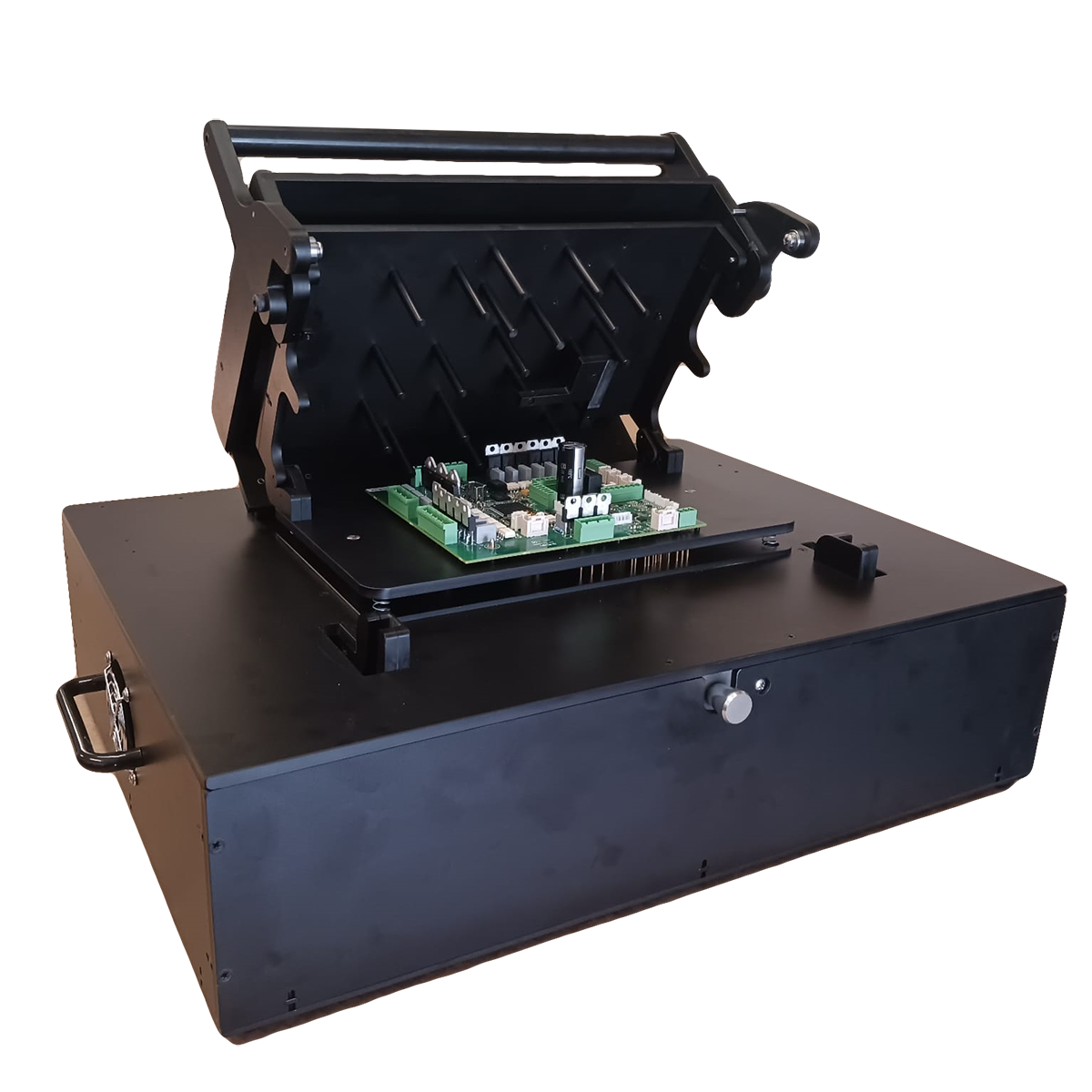
The electronics industry is moving at lightning speed these days. Phones, smart devices, and even everyday gadgets keep getting smaller, faster, and more advanced. Because of that, manufacturers have a huge responsibility: they must make sure every single part inside a device works perfectly before it reaches the customer. One tool that has become extremely valuable in this process is flashing test fixtures. These fixtures help companies program and test electronic boards quickly, accurately, and without unnecessary stress.
Why Testing Matters More Than Ever
If you think about all the things you use daily your smartwatch, your Bluetooth speakers, your car’s electronic key, or even your home thermostat they all rely on firmware. This firmware needs to be installed correctly and must behave exactly the way it was designed to. Before products leave the factory, manufacturers have to make sure that the software loads properly, responds accurately, and communicates with other components without issues.
Older testing methods used to take more time and sometimes weren’t consistent. Modern production lines are fast, and that means testing systems also need to keep up. This is where flashing test fixtures have made a huge difference.
Why Flashing Test Fixtures Are So Useful
These fixtures simplify the whole programming and testing process. Instead of an operator manually attaching cables or running separate tests one at a time, the board is placed inside the fixture, the lid is closed, and the machine does the rest automatically.
One of the biggest advantages is consistency. Every board gets tested the same way, under the same conditions, with the same steps. This removes guesswork and cuts down on human error.
Another major benefit is speed. In a busy manufacturing environment, time really matters. Automated testing helps companies handle big production runs without slowing down.
A third benefit of using flashing test fixtures is traceability. Factories today need good records. These fixtures can store things like test results, serial numbers, firmware versions, and other important details. This makes troubleshooting and quality control much easier later on.
How These Fixtures Make Manufacturing Better
These fixtures aren’t just for loading firmware. They can also test different parts of the board, like power functions, sensors, lights, and communication ports. Instead of using multiple tools, everything happens in one place.
A great bonus is that the fixtures can be adjusted when a device changes or when a new version is released. Engineers don’t have to build a completely new setup every time. This flexibility saves time, money, and effort.
Where They Fit in the Production Line
Typically, once a board is soldered and inspected, it moves to the fixture. That’s where the system:
Loads the firmware
Checks if the flashing was successful
Runs automatic tests
Shows a pass or fail result
Saves all the testing information
When the board comes out of the fixture and passes the checks, it’s ready for final assembly. This reduces the chances of faulty products moving forward in the process, which saves both time and cost.
Trends Behind the Growing Demand
More and more products today are connected and smart. From IoT devices to automotive electronics, everything needs precise firmware installed during manufacturing. This shift is pushing companies to invest in better testing systems that can keep up with modern requirements.
A lot of manufacturers are also searching for complete PCB Test Solutions that work for both small prototype builds and massive production lines. Combining programming and testing in one fixture is a big advantage.
What’s Next for Flashing Fixtures
In the coming years, these fixtures will continue getting smarter. We’ll likely see features like automated diagnostics, improved programming speed, and systems that can predict maintenance needs before issues even happen. As electronic devices become more software-driven, flashing test fixtures will play an even bigger role in making sure products are dependable and ready for the market.
Final Thoughts
In today’s fast-paced manufacturing world, flashing test fixtures have become essential tools. They help companies keep quality high, speed up production, and stay competitive. As technology continues to evolve, these fixtures will remain one of the most important parts of building reliable and advanced electronic products.