Flat Skylights Reinvented: How The Concept Of Minimalist Roof Glazing Is Redefining Modern Living Spaces

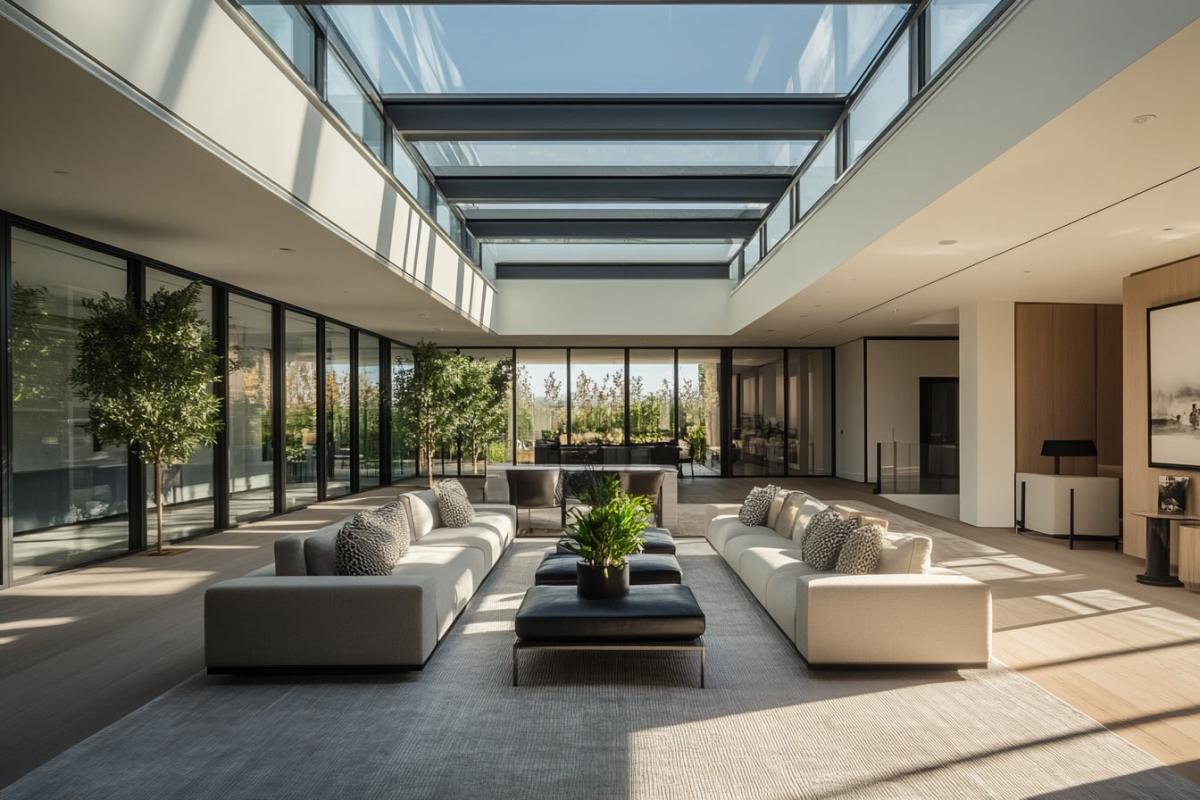
Flat skylights are no longer limited to the simple concept of roof openings for light entrance. Currently, there are more architectural installations that change how individuals relate to space, light, and comfort within buildings or facilities. Due to their sophisticated appearance, flat skylights are quickly becoming the preferred type of lighting for new commercial or residential buildings. In this blog, flat skylights will be discussed from a new perspective, rather than focusing solely on their function or definition.
What are Flat Skylights?
Flat skylights are glazed roof-lights installed on flat or low-pitched roofs. This skylight design is flat and does not protrude much from the roof, giving it a modern outlook as compared to domed skylights. Flat skylights are usually made from high-performance glass and installed with sturdy frames that can withstand harsh environmental conditions while allowing significant light to pass through.
Creating a New Experience with Natural Light
Flat skylights are most important for enhancing daylight quality rather than quantity. Flat skylights installed above a space result in balanced daylighting. They offer a more even distribution of light, eliminating shadows. These result in calm interiors.
In terms of lifestyle, this daylight design enhances mood by increasing melatonin levels, promotes proper sleep, and improves concentration, making it ideal for kitchens, living rooms, and home offices. Also, this design provides light to the centre of the room rather than through vertical windows.
Minimalism
Flat skylights are particularly suited to minimalist design. They fit with minimalist design seamlessly because they keep the roofline simple while allowing for a dramatic lighting effect inside. Rather than focusing attention on the skylight, flat skylights bring attention to the lighting rather than the skylight itself.
Architects and designers also use flat skylights to frame views of the sky, clouds, or rain passing by, thereby creating a subtle link between the indoors and the outdoors.
Energy Efficiency as a Design Strategy
Contemporary flat-roof skylights are designed and constructed with energy efficiency in mind. Superior glazing packages may consist of several layers of glass. They can feature thermal breaks and specialised coatings designed to resist heat transfer during the cold-hot season and to suppress heat gain during the cool season.
Flat skylights also maximise natural light, reducing reliance on artificial lighting and improving energy efficiency.
Flat Skylights and Weather Resistance
A typical problem for flat skylights regards water resistance. This problem, however, does not exist with modern skylights, which are designed to withstand rain, wind, and temperature differences. Slightly sloped glazing, water drainage systems, and tight seals help water runoff on a flat roof skylight.
The incorporation of toughened laminated safety glass increases durability and promotes peace of mind. The safety glass is expected to withstand challenging conditions with minimal impact on clarity and functionality.
Flexibility Across Various Settings
Flat skylights are very flexible and can be easily modified for the desired application.
· Kitchen extensions now enjoy sunlight while maintaining wall space for storage.
· Bathrooms achieve privacy-enhancing natural lighting without the need for curtains or blinds.
· Halls and stairways become not merely passageways but bright, appealing spaces.
· Commercial interiors promote employee well-being and energy savings through lighting.
Their ease of adaptation into residential and commercial settings makes them a versatile design solution.
Fixed or Opening Flat Skylights
Flat skylights are available in fixed and opening types. In fixed skylights, daylight and heating are the sole functions; hence, they are ideal for use in areas that lack ventilation.
Opening rooflights are supplemented by flat skylights, which not only provide light but also create ventilation space for fresh air to circulate. It can be invaluable, especially in kitchens and living areas, which are the most prone to heat build-ups. Remote-control ventilation can be very helpful.
Installation
Installing the flat skylight mounting system is a technically complex process that requires precision. The structural support provided by the skylight mounting system, the size of the upstand, and the ability to provide a watertight seal are all crucial to the long-term functionality of the installation.
Proper design will result in effective light positioning, minimise glare, and enhance comfort.
A Long-Term Investment in Quality Living
Flat skylights are more than just architectural enhancements; they provide long-term functional value to the space. By improving lighting, comfort, and aesthetics, flat skylights add long-term value to properties.
As living spaces transform in terms of openness, efficiency, and wellness, flat skylights emerge as a solution that seamlessly integrates aesthetics with functionality.
Flat skylights symbolise a sophisticated approach to roof skylighting that enhances a simple, functional, and comfortable lighting design. Due to their minimalist, energy-efficient design and ability to optimise common spaces, flat skylights are a crucial component of modern architectural design, bringing light from above while transforming how we function beneath our roofs.