Global Frozen Potato Industry Analysis: Rising Demand From QSRs And Convenience Foods

Frozen potatoes play an important role in the modern food industry by providing a reliable and time-saving alternative to fresh potatoes. Through advanced freezing techniques, their texture and quality are maintained for extended periods. This makes them a popular choice for quick meals and large-scale food preparation.
Global Frozen Potato Industry Analysis
The global frozen potato market is projected to expand from US$ 67.46 billion in 2023 to US$ 98.02 billion by 2031, registering a CAGR of 4.8% during the forecast period. This growth reflects a structural shift in global food consumption patterns, driven by demand for convenience, consistency, and speed. Frozen potatoes have emerged as one of the most widely consumed processed vegetables due to their long shelf life, minimal preparation requirements, and compatibility with both household and food service applications.
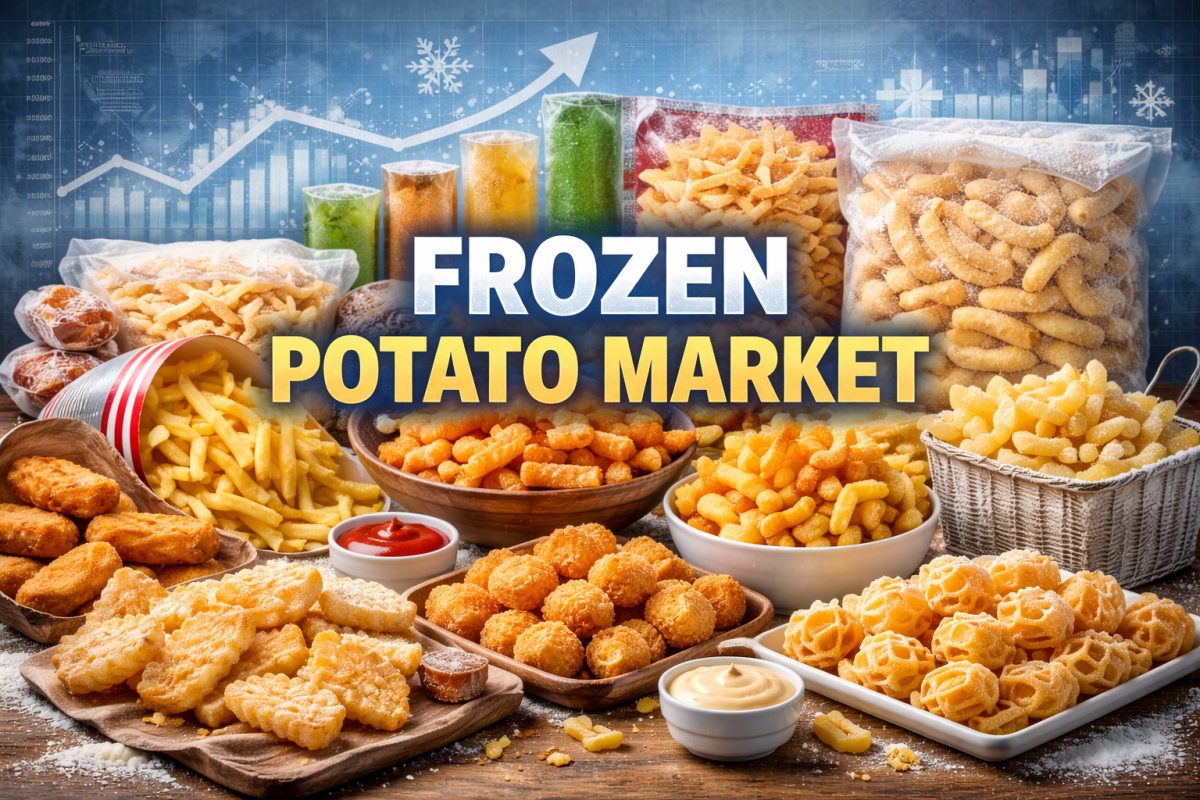
Potatoes are a staple food crop across many regions and are consumed in fresh and processed forms. Frozen potato products preserve essential nutrients such as Vitamin B6, fiber, magnesium, and antioxidants through advanced freezing techniques. Modern processing technologies allow manufacturers to maintain taste, texture, and appearance, reinforcing consumer confidence in frozen alternatives.
Rising Demand from QSRs and Convenience Foods
One of the most influential growth drivers in the frozen potato industry is the rapid expansion of quick service restaurants. QSRs prioritize speed, uniformity, and cost efficiency, making frozen potato products such as French fries, hash browns, and shaped potatoes indispensable. These products require limited preparation and enable restaurants to deliver consistent quality across locations.
Changing household demographics further strengthen demand. The increasing number of dual income families and single person households in developed economies such as the United States, Germany, and the United Kingdom has reduced time spent on meal preparation. As a result, consumers increasingly rely on ready to cook and ready to eat foods that fit busy lifestyles. Frozen potatoes meet this need by offering portion control, quick cooking times, and versatility across meals.
Why are QSRs major drivers of frozen potato demand?
QSRs depend on frozen potatoes for speed, consistency, and ease of preparation, enabling them to serve large volumes efficiently.
Technology and Cold Chain Advancements
The adoption of innovative technologies in frozen potato processing remains a key trend shaping the industry. Automated peeling, cutting, blanching, and freezing systems have improved efficiency while reducing waste. In parallel, the expansion of cold chain infrastructure has enhanced global distribution capabilities. Investments in refrigerated storage, temperature controlled transportation, and digital monitoring technologies such as RFID and HACCP systems have strengthened supply chain integrity and product safety.
Improved cold chain access in emerging markets is also opening new growth opportunities. Urbanization and retail modernization in Asia Pacific, South America, and parts of Africa are increasing the availability of frozen foods beyond traditional urban centers.
Which frozen potato product segment dominates the market?
French fries dominate the market due to their global popularity and extensive use across food service and household applications.
Product and End User Insights
By product type, French fries held the largest share of the frozen potato market in 2023. Their universal appeal, compatibility with multiple cuisines, and strong association with fast food culture drive sustained demand. Other segments including hash browns, mashed potatoes, battered or cooked products, and topped or stuffed potatoes continue to grow, particularly premium and novelty shapes such as waffle cuts and alphabet forms.
By end user, the commercial segment is expected to register a higher growth rate compared to residential consumption. Restaurants, hotels, cafes, and institutional food service providers rely heavily on frozen potatoes to streamline operations and reduce preparation time.
Download sample PDF: https://www.theinsightpartners.com/sample/TIPRE00005147
Regional Market Landscape
North America dominates the global frozen potato market, supported by a mature food processing industry, high QSR density, and strong retail and food service networks. Europe follows with steady demand for convenience foods and premium frozen offerings. Asia Pacific is emerging as a high growth region, driven by expanding QSR chains, rising disposable incomes, and increasing acceptance of frozen food products.
Key Players in the Frozen Potato Market
Leading manufacturers are investing in capacity expansion, innovation, and global footprint growth.
Key market players include:
- Lamb Weston Holdings Inc
- McCain Foods Limited
- J.R. Simplot Company
- The Kraft Heinz Co
- Aviko B.V.
- Agristo NV
- Farm Frites International B.V.
- Greenyard
Future Outlook
The global frozen potato industry is expected to maintain strong momentum through 2031. Continued expansion of QSRs, improvements in cold chain infrastructure, and innovation in product formats will remain key growth drivers. Companies focusing on sustainability, premium offerings, and emerging markets are well positioned to capitalize on evolving consumer preferences.
Related Reports
Global Aquaculture Market Size & Forecast 2025-2031
Non-Dairy Ice Cream Market : New Research Report by 2031