Hair Transplant For Traction Alopecia Relief

Traction alopecia sneaks up on many people who love tight hairstyles, leaving bald patches along the hairline or crown. This condition arises from constant pulling on hair follicles due to ponytails, braids, cornrows, or weaves worn over years. Best Hair Transplant Clinic in Riyadh(افضل عيادة زراعة شعر في الرياض) Unlike genetic baldness, it stems from mechanical stress, making early detection key to reversal.
The struggle feels personal—confidence dips as hair thins visibly, affecting social life and self-image. Imagine waking up to a receding hairline from your favorite protective style. Traction alopecia hits women and men who prioritize hairstyles for cultural, professional, or aesthetic reasons, turning a beauty choice into a hair loss nightmare.
Why Hair Transplant in Riyadh Stands Out for Relief
In a city blending tradition and innovation like Riyadh, advanced solutions address traction alopecia effectively. Hair transplant in Riyadh offers cutting-edge techniques tailored to diverse hair types, restoring natural density with precision. Bold results emerge from skilled procedures that revive stressed follicles, helping patients reclaim their look.
This approach gains traction because it targets the root cause—damaged follicles—while promoting regrowth. Patients often share stories of transformed appearances, boosting morale. Hair transplant in Riyadh integrates modern tech with personalized care, making it a go-to for lasting relief from traction alopecia's grip.
Causes and Symptoms of Traction Alopecia
Tight hairstyles create relentless tension on follicles, leading to inflammation and eventual miniaturization. Cultural practices like tight hijabs or extensions exacerbate this, especially in regions favoring elaborate updos. Over time, follicles weaken, shedding hair and forming shiny, smooth bald spots.
Symptoms start subtly: itching, tenderness, or broken hairs along the edges. Progress to visible thinning or complete loss if ignored. Early signs include follicle "popcorn" appearance—small bumps signaling distress. Recognizing these prompts timely intervention, preventing permanent damage.
Common Hairstyle Culprits
Cornrows and Braids: Pull roots directly, common in protective styling.
Weaves and Extensions: Added weight stresses scalp over months.
Tight Ponytails: Daily tension builds on frontal hairline.
Cultural Headwear: Constant friction from wraps or scarves.
Diagnosing Traction Alopecia Accurately
Diagnosis begins with a scalp exam, spotting traction-specific patterns like edge loss sparing the crown. Trichoscopy magnifies follicles, revealing empty ostia or vellus hairs. Dermatologists rule out mimics like androgenetic alopecia via pull tests or biopsies if needed.
Patient history proves crucial—recounting hairstyle habits over years. Blood tests exclude thyroid issues or nutritional gaps fueling hair loss. Accurate diagnosis paves the way for targeted hair transplant strategies, ensuring relief hits the mark.
Non-Surgical Treatments to Try First
Before jumping to surgery, conservative options slow progression. Minoxidil topical solutions stimulate follicles, while corticosteroids reduce inflammation from traction damage. Platelet-rich plasma (PRP) injections deliver growth factors, revitalizing dormant hairs.
Lifestyle shifts matter: looser styles, silk scarves, and scalp massages ease tension. Biotin supplements and anti-inflammatory diets support recovery. These buy time, but permanent baldness often demands more robust intervention like hair transplantation.
PRP Therapy Benefits
PRP draws your blood, concentrates platelets, and injects them into the scalp. Sessions spur collagen and thicken hair shafts. Multiple treatments yield thicker coverage, ideal pre- or post-transplant.
Hair Transplant Techniques for Traction Alopecia
Hair transplant shines for irreversible traction damage, relocating healthy follicles from donor zones like the back of the head. Follicular Unit Extraction (FUE) dominates—tiny punches harvest grafts individually, minimizing scars perfect for edge restoration.
Follicular Unit Transplantation (FUT) strips a donor area for more grafts in severe cases, though linear scars suit longer hair. Both ensure natural angles matching your growth pattern. Surgeons design temples and hairlines artistically, blending seamlessly.
The Hair Transplant Procedure Step-by-Step
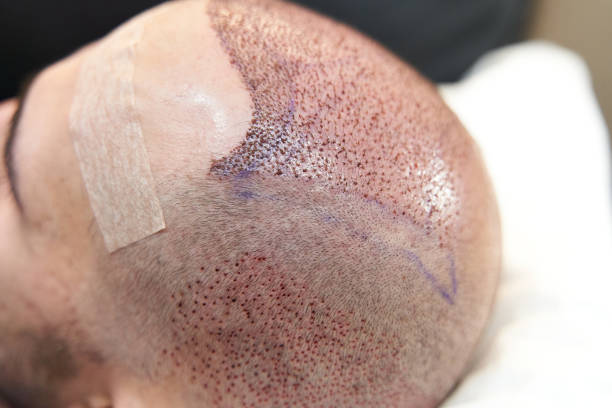
Prep starts with scalp mapping via digital imaging for precise graft placement. Local anesthesia numbs the area; patients stay awake, relaxed. Extraction follows—FUE robots or manual tools pluck 1,000-4,000 follicles painlessly.
Grafts rest in saline before implantation into recipient sites using micro-slits. The session lasts 4-8 hours, with breaks for comfort. Precision tools ensure grafts thrive, promising traction alopecia relief through reborn hairlines.
Recovery Timeline and Aftercare Tips
Day one brings mild swelling and scabbing—normal as grafts anchor. Avoid touching the scalp; sleep elevated to reduce puffiness. By week two, shedding occurs (shock loss), but new growth kicks in at month three.
Aftercare includes gentle shampoos, no styling for six weeks, and sun protection. Nutrition fuels regrowth: protein-rich foods, omega-3s, and hydration. Follow-ups monitor progress, tweaking for optimal density.
Week-by-Week Recovery Guide
Week 1: Rest, ice packs, antibiotics.
Weeks 2-4: Light washing, no sweat-inducing activities.
Month 2+: Gradual styling, full results by year one.
Long-Term Results and Maintenance
By six months, 60-80% of transplanted hairs stabilize, thickening over a year. Traction alopecia relief feels permanent if you ditch pulling styles. Maintenance involves PRP boosters and minoxidil for sustained vitality.
Real transformations inspire—patients ditch hats, embracing natural waves. Density matches originals, resisting future traction. Commit to scalp health for lifelong success.
Book an Appointment for Consultation at Enfield Royal Riyadh
Ready to explore hair transplant options? Book an appointment for a personalized consultation at Enfield Royal Riyadh (إنفيلد رويال الرياض). Expert guidance awaits to tailor your traction alopecia relief journey.
FAQs
Can hair transplant fully reverse traction alopecia?
Yes, for permanent damage, transplants restore density naturally, though preventing recurrence requires style changes.
How soon do results show after hair transplant?
Initial growth starts at 3-4 months, with full, thick results by 12-18 months.
Is FUE hair transplant suitable for all hair types?
Absolutely—FUE adapts to curly, straight, or coily hair, ensuring natural blending.
What’s the difference between traction alopecia and other hair loss?
Traction is mechanical from pulling, unlike hormonal or genetic types, making it reversible early.
How to prevent traction alopecia post-transplant?
Opt for loose styles, use silk edges, and massage scalp regularly to protect new growth.