Hair Transplant Surgeon Selection Guide

Choosing the right surgeon for your hair restoration journey can transform your confidence and results. Hair transplant center in Riyadh(مركز زراعة الشعر في الرياض) Whether you're dealing with receding hairlines, thinning crowns, or pattern baldness, a skilled professional makes all the difference. This guide dives deep into practical steps, red flags to avoid, and insider tips to ensure you pick a surgeon who delivers natural, lasting outcomes. Let's explore how to make an informed decision that fits your needs.
Hair loss affects millions worldwide, sparking interest in reliable solutions. From follicular unit extraction (FUE) to follicular unit transplantation (FUE), advanced techniques promise fuller heads without the old-school pluggy look. Patients often search for expertise that blends precision with artistry, turning consultations into personalized plans. Understanding surgeon credentials becomes your first line of defense against subpar results.
Why Surgeon Choice Matters Most
Your surgeon's skill directly impacts graft survival, hair density, and scalp health. An experienced hand minimizes trauma, speeds healing, and crafts undetectable hairlines. Poor selection risks uneven growth, scarring, or wasted efforts.
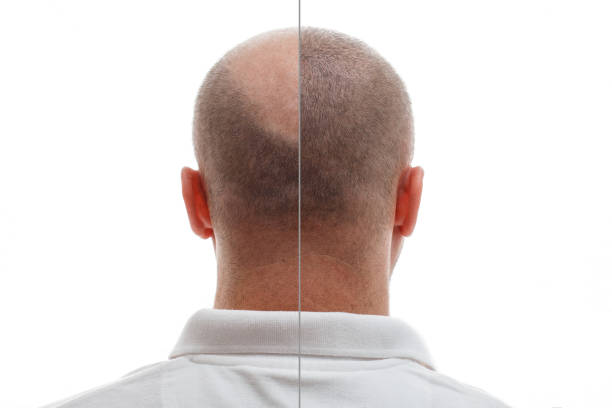
Imagine entrusting your appearance to someone rushing procedures or skipping vital assessments. Top surgeons prioritize scalp analysis, donor site evaluation, and realistic goal-setting. They adapt techniques to your hair type, skin tone, and lifestyle, ensuring results that age gracefully with you.
Studies show higher satisfaction rates with board-certified specialists who perform hundreds of cases yearly. This expertise translates to fewer touch-ups and bolder confidence. Start by verifying their focus on hair restoration over general cosmetics.
Key Qualifications to Verify
Look for certifications from recognized dermatology or plastic surgery boards. Membership in international societies signals ongoing training and ethical standards. Years in practice matter—aim for those with a decade-plus in hair-specific work.
Review case volumes: Surgeons handling 200+ procedures annually hone precision under pressure. Ask about their complication rates during consults; transparency builds trust.
Evaluating Experience and Specialization
Generalists might dabble, but specialists live and breathe hair restoration. Seek those dedicated to hair transplant innovations, constantly refining FUE or DHI methods for minimal invasiveness.
Experience shines in handling diverse cases—from young receders to mature thinners. A surgeon who's navigated curly, coarse, or fine hair textures delivers tailored artistry. Probe their evolution: Have they upgraded from strip harvesting to scarless FUE?
Patient diversity reflects true skill. Those excelling across ethnicities understand varying follicle angles and growth patterns. This ensures your results blend seamlessly with existing hair.
Specialization Red Flags to Dodge
Avoid surgeons pushing one technique universally—versatility rules. Beware of glossy portfolios hiding poor angles or density. Demand unfiltered before-and-afters from similar patients, not just models.
Scrutinizing Before-and-After Portfolios
Visual proof trumps promises. Authentic galleries show multiple angles, lighting conditions, and timelines—6 months to 2 years post-op. Natural density, no doll-hair effect, and proportional hairlines scream expertise.
Compare graft numbers, donor zones, and styling versatility. Does the crown whirl look organic? Forehead frames faces perfectly? Cross-check with patient testimonials for context.
Digital enhancements fool no one—insist on in-person or video reviews. Patterns emerge: Consistent excellence across ages and balding stages marks masters.
Portfolio Analysis Tips
Magnify images for graft placement precision. Note scalp show-through; pros camouflage it masterfully. Track progression photos to gauge growth cycles accurately.
Reading Patient Reviews and Testimonials
Real stories reveal day-to-day realities. Platforms like forums and review sites offer unvarnished truths—pain levels, follow-up care, result timelines. Seek volume: 50+ reviews averaging 4.5+ stars indicate reliability.
Dive into specifics: How did they handle unexpected shedding? Communication during recovery? Long-term support? Video testimonials add authenticity, showing smiles and styled results.
Balance positives with critiques—every surgeon has outliers. Patterns of praise for naturalness and bedside manner guide you best.
Navigating Review Authenticity
Filter fakes by checking reviewer history and detail depth. Cross-reference across sites. Direct outreach to past patients via surgeon facilitation uncovers hidden gems.
Asking the Right Consultation Questions
Free consults test true fit. Grill on your candidacy: Donor supply? Expected grafts? Technique rationale? Request a density map simulation for visualization.
Probe customization: How do they angle follicles for your swirl? Manage blood flow for viability? Follow-up protocols? Comfortable answers build rapport.
Observe clinic vibe—sterile yet welcoming, with dedicated hair suites. Staff knowledge reflects team synergy.
Top 10 Consultation Queries
What's your annual hair case volume?
Show me FUE vs FUT outcomes like mine.
How do you ensure graft survival rates?
Describe your pain-free protocols.
What's your revision policy?
How many sessions might I need?
Detail post-op care timeline.
Handle complications how?
Tech tools for precision?
Expected downtime for my job?
Assessing Clinic Facilities and Technology
State-of-the-art clinics boast magnification loupes, implanters, and chilled storage for graft vitality. Clean rooms with HEPA filters slash infection risks. Robotic aids like ARTAS enhance accuracy for mega-sessions.
Tour facilities: Dedicated theaters? Refrigerated graft holding? Laser therapy suites for faster growth? Cutting-edge equals superior outcomes.
Safety protocols—sterilization logs, emergency kits—protect you. Tech-forward surgeons stay ahead, minimizing human error.
Tech Must-Haves Explained
Magnification ensures tiny incisions. Motorized punches speed FUE without tugging. PRP integration boosts follicle strength naturally.
Understanding Techniques and Personalization
No one-size-fits-all. FUE suits scar-wary patients; FUT maximizes grafts for advanced loss. DHI implants directly for zero handling trauma. Top surgeons blend them, prioritizing your goals.
Discuss hair characteristics: Curly needs shallow angles; straight thrives deeper. Density targets match lifestyle—active folks favor robust designs.
Personalization shines in artistic foresight, mimicking nature down to temple points.
Technique Breakdowns
FUE: Follicle-by-follicle extraction, no linear scars. Ideal for short hairstyles.
FUT: Strip harvest for high-volume restores. Concealable under longer cuts.
DHI: Pen-implantation for ultra-precise placement.
Spotting Ethical Practices and Red Flags
Ethical pros offer realistic timelines—no overnight miracles. They decline unsuitable cases, suggesting meds or wigs first. No high-pressure sales; education empowers.
Red flags: Vague answers, rushed consults, generic plans. Overpromising density or speed screams hype. Always prioritize patient-centric ethics.
Ethical Hallmarks
Informed consent covers all risks. Transparent photography policies. Lifetime follow-ups without nickel-and-diming.
Ready to take the next step? Book an appointment for a personalized consultation at Enfield Royal Riyadh (إنفيلد رويال الرياض) and discover tailored solutions for your hair restoration goals.
FAQs
How do I know if I'm a good candidate for hair transplant?
Ideal candidates have stable hair loss, ample donor hair, and realistic expectations. Surgeons assess via scalp exams, ruling out diffuse thinning or active progression. Healthy scalps yield best results—think Norwood 3-5 stages.
What hair transplant technique is best for beginners?
FUE tops lists for minimal scarring and quick recovery. It's versatile for smaller sessions, perfect if you're testing waters. Consults pinpoint if DHI suits your precision needs.
How long until I see hair transplant results?
Initial shedding hits at 2-4 weeks, but new growth sparks by month 3. Full density blooms at 12-18 months. Patience pays—supplements and PRP accelerate timelines.
Can hair transplant fix a receding hairline naturally?
Absolutely, with skilled design mimicking youth. Surgeons map phi-golden ratios for balanced faces. Ethnic-specific angles ensure undetectable blends.
What's the recovery like after hair transplant?
Mild swelling fades in days; return to work in a week. Avoid sweat/sports for 2 weeks. Gentle washing starts day 3—follow protocols for shock-loss prevention.