Healthy Coat Care Habits Improving Everyday Canine Wellness

The care of a coat of a dog is a sophisticated aspect of modern-day pet health and is not just a routine ritual. The grooming of dogs in heath is a reflection of a wider evolution in pet care, where grooming is a key element of the health of the skin, hygiene management as well as preventive surveillance.
Thoughtful grooming practices can lead to better skin health healthy coat growth and a better level of the comfort of dogs of all breeds and stages of life.
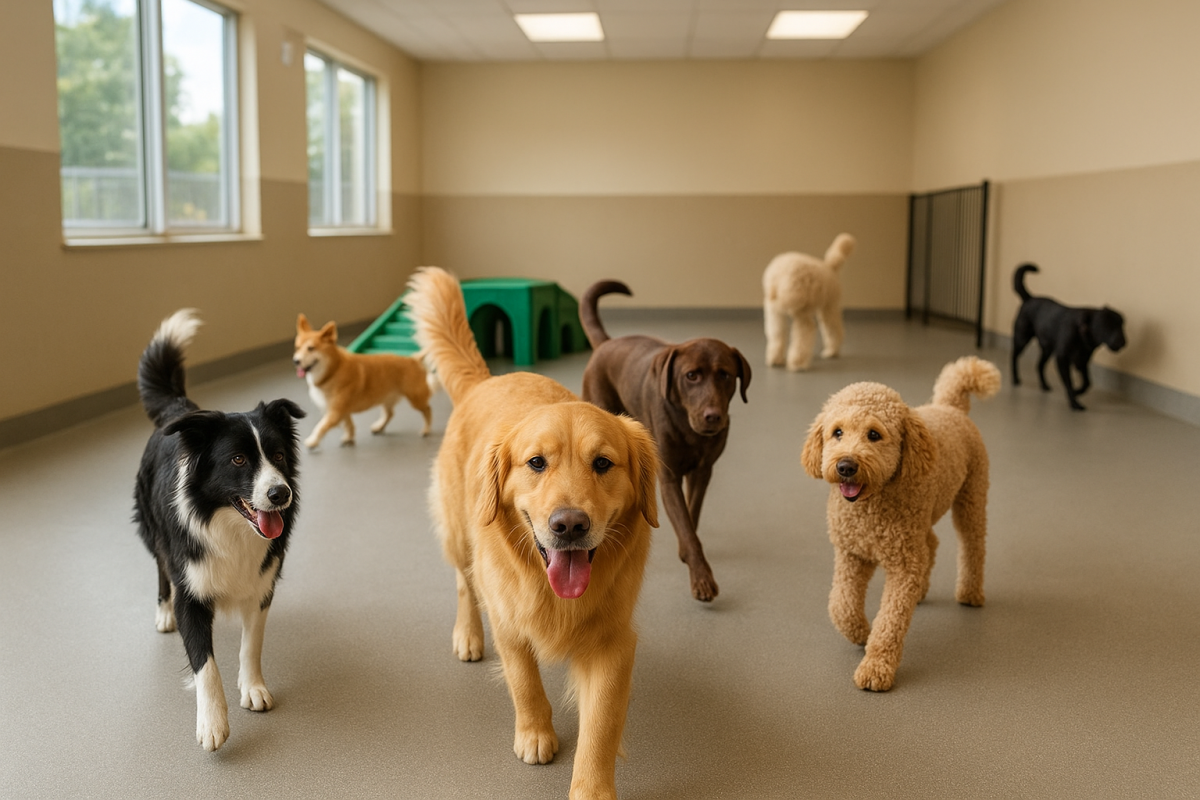
The grooming of pets offers an the chance to strengthen their connection with their dog. These regular interactions build trust as well as communication.
The coat of a dog acts as a biological barrier. It protects skin from irritation caused by environmental pollutants it regulates temperature and helps maintain a healthy balance of moisture. If grooming isn't done and neglected, oil, debris and tangles can build up, creating conditions that could result in irritation, infections or pain. A regular maintenance of the coat therefore plays a crucial role in maintaining both general health and physical well-being.
Understanding Coat Structure and Grooming Methodology
Each dog has its own unique coat structure that dictates the manner in which grooming should be conducted. Double-coated breeds depend on a thick undercoat to provide insulation. This requires special techniques for removing loose hair, while also preserving the layers of protection. Single-coated breeds or curly breeds require precise trimming to avoid matting and unbalanced growth.
The way mats are formed can greatly affect the dog's comfort. Tight tangles block the flow of air to the skin and result in tension that tugs at hair follicles. In time, this pressure could cause skin inflammation or sensitiveness. Regular brushing removes knots in the beginning and disperses natural oils, aiding the coat to remain flexible and durable.
The routine of bathing must be well-balanced. Utilizing gentle, appropriate species-specific cleansers safeguards the pH of canine skin. Overly frequent washing can strip the skin of essential oils. Insufficient bathing encourages the build-up of bacteria and other debris. The right balance helps to maintain the skin's microbiome that protects it and helps maintain the integrity of the coat.
Regularly brushing improves circulation under the skin's the surface. The increased flow of blood nourishes hair follicles, which promotes healthy coat growth, while also enhancing the natural beauty and vigor.
Grooming as a Preventive Health Practice
Beyond the maintenance of coats grooming sessions are important health assessments. While bathing or brushing the body, subtle physical changes like swelling, itching, or parasites are more easily identifiable. The early detection of these problems helps to get them treated faster and lowers the chance of developing complications.
In the middle of modern grooming discussions, Dog grooming in health shows how routine grooming can act as an early warning system for the underlying health issues. By watching the coat and skin closely caregivers can detect any signs of abnormality before they become more serious issues.
The management of parasites is another important advantage of grooming regularly. The ticks, fleas and mites can hide under the thick fur, making them difficult to spot in the course of daily interactions. Regularly brushing exposes these bugs and stops the spread of infestations.
Ear hygiene is also a part of prevention. Dogs who have their ears folded frequently suffer from moisture retention which can lead to the growth of bacteria. Regular ear cleaning helps reduce the accumulation of ear wax and aids in maintaining an ear that is healthy.
Maintaining your nails is equally crucial. If nails get to long they affect the dog's posture and walking style. In time, this imbalance can put unnecessary stress on ligaments and joints. A proper trimming program maintains the natural alignment and helps maintain the health of mobility.
Psychological and Behavioral Impacts
The routines of grooming affect more than physical health. They also impact the emotional wellbeing of dogs. Dogs who experience relaxed, regular grooming sessions will gradually become comfortable the handling. This reduces stress for dogs dealing with other situations of care such as vet examinations.
The early exposure to bathing, brushing and nail trimming helps puppies learn to adapt to these feelings. The gradual introduction of these activities, combined with gentle reinforcement can build confidence and trust, encouraging co-operative behavior later on in life.
The sensory aspects of grooming can be incredibly relaxing. Gentle brushing, warm water and a steady flow of movement often encourage relaxation. Dogs who are relaxed while grooming will be more open to attention as well as less inclined to show anxious behaviors.
Regular grooming regimens are also a factor in ensuring stability of behavior. Dogs thrive in routine and consistent grooming schedules give dogs the feeling of consistency which helps in ensuring psychological security.
Hygiene and Environmental Benefits
Regular maintenance of the coat benefits the dog as well as its surroundings. Regular brushing can significantly reduce shedding by getting rid of loose hair before it gets accumulated throughout the house. This improves the cleanliness of your home and also provide a sense of comfort for families who are who are sensitive to allergens.
Sanitary trimming can also improve hygiene by preventing dirt from building up in areas susceptible to irritation or moist. Clean fur in areas that are sensitive enhances comfort and decreases the smell.
The need for seasonal adjustments is often needed to ensure the health of your coat. In warmer months, more sheds could need more frequent brushing to improve airflow and reduce cooling. In colder months, maintaining coat density can help keep insulation in place and guard against cold temperatures.
Nutrition also plays a vital supporting function. Foods that are rich in essential fatty acids and balanced nutrition contribute for stronger hair follicles, and healthier skin, as well as enhancing the outcomes of regular grooming.
Long-Term Value of Consistent Grooming
If grooming is regularly practiced, it is a vital part of maintaining a dog's health throughout its life. Healthy coats decrease the risk of skin conditions and proper nail care ensures joint flexibility and joint wellness. As time passes these preventive measures lead to better health and quality of life.
Dogs with a well-groomed coat generally appear more relaxed and relaxed in social interactions. Clean coats, manicured nails, and a healthy complexion can improve physical ease as well as general appearance.
The grooming of pets offers an the chance to strengthen their connection with their dog. These regular interactions build trust as well as communication. It also helps to be aware for subtle changes to the health or behavior of your pet.
In the ever-changing world in responsible care for pets grooming your dog in the health shows the way grooming has evolved into an integral practice that integrates health monitoring, hygiene, along with emotional health. Through embracing the latest grooming practices owners are able to promote healthier hair, healthier skin and a healthier lifestyle for their pets.