How A Fuel Tank Gauge Saves You From Roadside Trouble

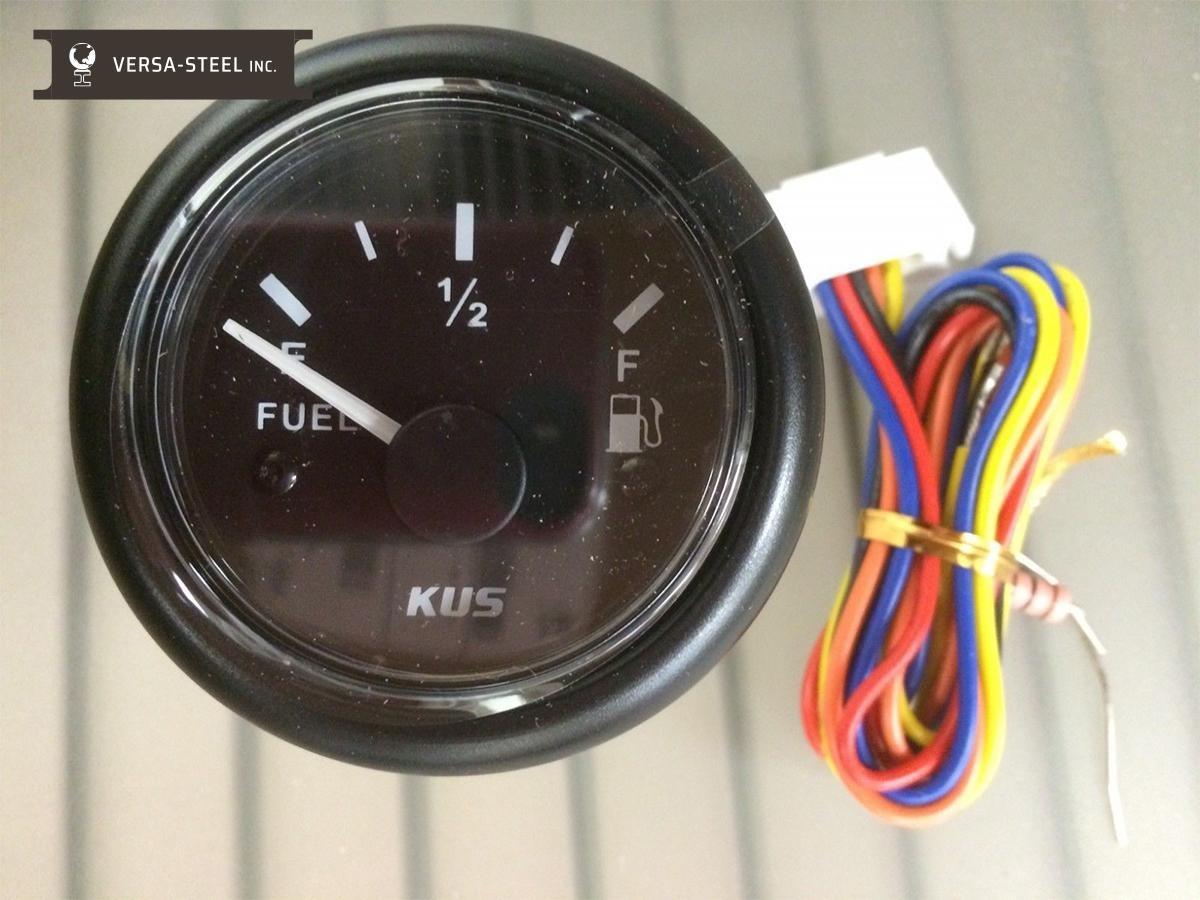 Every driver knows the uneasy feeling of watching the road stretch on while wondering how much fuel remains. Modern vehicles rely on one small but vital instrument to answer that question. The fuel tank gauge sits on the dashboard, yet it plays a steady role in preventing unexpected stops and stressful calls for help. By turning hidden data inside the tank into clear information, this device helps drivers stay aware, alert, and prepared through long trips and daily commutes.
The Silent Conversation Between Tank and Dashboard
Inside a vehicle, a float or sensor rests within the fuel container and reacts to changes in liquid level. As fuel moves, the sensor sends signals that the dashboard translates into a readable display. This process happens continuously, even when the car idles at a signal or cruises on a highway. The design reflects the same thinking found in industrial monitoring, where accuracy and reliability matter because smaller errors can cause larger disruptions.
Why Awareness Matters on Long Roads
Roadside trouble rarely starts with a sudden breakdown. It often begins with a lack of awareness. When drivers misjudge distance or assume the next station sits just ahead, stress rises, and options shrink. A dependable dashboard reading keeps that guesswork in check by showing real-time levels that respond to driving conditions. Hills, traffic, and speed all affect consumption, and the gauge adjusts as those factors change, keeping the driver informed rather than surprised.
Engineering Roots in Industrial Measurement
The idea behind vehicle fuel monitoring connects closely with large-scale measurement systems used in factories and storage yards. A tank gauging system tracks liquid volumes in steel tanks to prevent overflow, shortage, or contamination. Engineers apply similar logic on a smaller scale inside vehicles. They focus on durability, resistance to vibration, and clear output. These shared principles explain why the technology feels simple to the driver while remaining precise behind the scenes.
How Consistency Reduces Unplanned Stops
Drivers who trust their instruments plan better. They choose refueling points with confidence and avoid pushing limits. The steady presence of the fuel tank gauge creates a rhythm between driver and machine. That rhythm lowers the chance of running dry in unfamiliar places or during late hours. Instead of reacting to a warning light at the last moment, drivers respond to gradual changes shown on the dial or screen.
Learning From Other Level Indicators
Level measurement appears in many parts of daily life, not just vehicles. Homes and buildings often use a water tank level indicator to show the remaining supply. That simple display prevents dry taps and unexpected shortages. The same logic applies on the road. When people see levels clearly, they act early. This shared behavior across settings shows how humans rely on visual feedback to make calm decisions rather than rushed ones.
Materials and Design That Support Accuracy
Behind every reading lies careful material choice. Sensors must resist corrosion, heat, and constant movement. Steel tanks in industrial settings demand strong construction and stable readings over time, often supported by a reliable tank gauging system that operates in harsh conditions. Vehicle tanks face similar challenges on a smaller scale. Designers protect sensors from debris and fuel impurities, ensuring signals remain steady.
Digital Advances and Driver Confidence
Modern dashboards now blend analog tradition with digital precision. Screens estimate the remaining range, yet they still depend on core sensor data. Even as software grows smarter, the foundation remains the same measurement principle. A reliable system supports these features by feeding accurate information forward. When data stays clean and consistent, digital tools enhance awareness rather than confuse it during demanding drives.
Connections to Broader Monitoring Systems
Across industries, monitoring systems share a goal of reducing uncertainty. A tank gauging system in a storage facility prevents losses and keeps operations smooth. In vehicles, that same mindset keeps drivers moving without interruption. These parallels show how measurement technology travels from heavy industry to personal transport, adapting scale while keeping purpose intact across environments.
Shared Lessons Across Everyday Systems
People interact with level displays more often than they realize. From fuel readings to a water tank level indicator in residential buildings, these tools guide daily choices. They reduce uncertainty by presenting facts in a simple form. This familiarity helps users trust measurements without overthinking them, especially during travel, work, and routine planning.
The Closing Thoughts: A Small Tool With a Steady Role
Drivers build trust through repetition. Each time the needle moves predictably or the display updates smoothly, confidence grows. Over months and years, that trust shapes habits. People refuel before levels drop too low and plan routes with more ease, even in remote areas or changing weather conditions where services feel far apart.
The fuel tank gauge may seem ordinary, yet it represents decades of engineering focused on clarity and reliability. Its role mirrors other level indicators, from factories to homes, using a water tank level indicator to manage daily needs. By translating hidden conditions into simple signals, it keeps journeys calm and controlled, allowing drivers to focus on the road ahead with steady confidence.