How Are Filler Injections With PRP Typically Administered?

Modern aesthetic treatments continue to evolve, and many people exploring advanced skin rejuvenation want to understand how combination procedures work in real clinical settings. Filler injections with PRP are increasingly discussed in aesthetic circles because they blend volume support with regenerative benefits, raising a common question in the minds of patients: how are these treatments actually administered for natural-looking results? Filler injections with PRP in Dubai have gained attention for their tailored approach to facial enhancement, and reputable centers such as Dynamic Life Clinic often highlight the importance of technique, safety, and patient suitability in this process.
Understanding the Combined Treatment Approach
Filler injections with PRP involve two complementary elements used in a single treatment plan. Dermal fillers are designed to restore structure and contour, while platelet-rich plasma is derived from the patient’s own blood to support skin quality and healing. The goal is not simply volume enhancement but overall facial balance and skin revitalization. This combined approach allows practitioners to address multiple concerns within one session, such as fine lines, uneven texture, and volume loss, without relying on a one-size-fits-all method.
Initial Consultation and Facial Assessment
Before any procedure begins, a detailed consultation is carried out to assess facial anatomy, skin condition, and aesthetic goals. This step is essential for determining where fillers may be placed and how PRP can complement the results. Factors such as facial symmetry, areas of volume depletion, and skin elasticity are carefully evaluated. The assessment phase also helps ensure that the treatment aligns with individual expectations and maintains a natural appearance rather than an overcorrected look.
Preparation of Platelet-Rich Plasma
PRP preparation is a controlled and methodical process that starts with drawing a small amount of the patient’s blood. The sample is then processed to separate platelet-rich plasma from other components. Platelets contain growth factors that support skin regeneration, making PRP a valuable addition to aesthetic procedures. Once prepared, the PRP is kept ready for targeted application alongside filler placement, ensuring the timing supports optimal integration with the skin.
Strategic Placement of Fillers
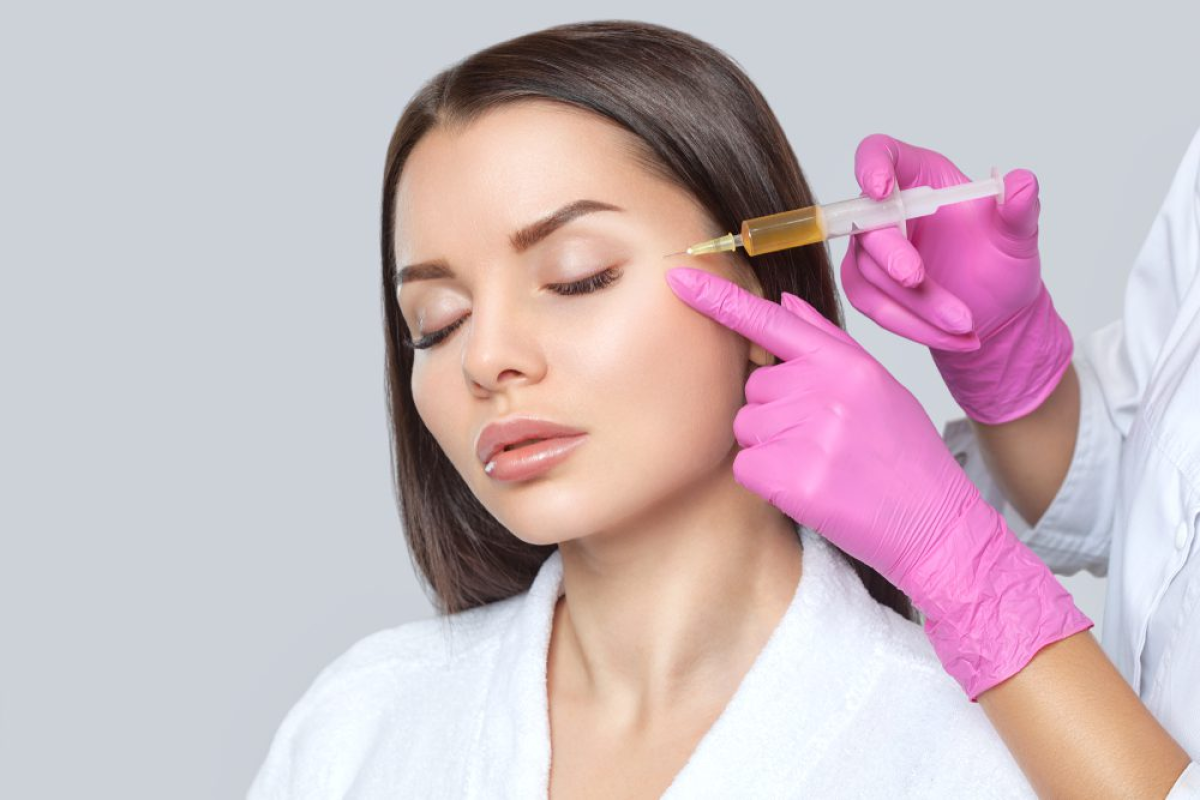
The administration of fillers follows a precise plan based on the earlier facial assessment. Fillers are injected into specific layers of the skin or deeper structures, depending on the treatment area and desired outcome. Common focus points include the cheeks, jawline, and under-eye area, where volume loss can affect facial harmony. Careful placement helps maintain facial expressions while enhancing contours. The technique emphasizes balance and proportion rather than dramatic change.
Application of PRP With or After Fillers
PRP is typically applied in targeted areas where skin quality improvement is desired or where fillers have been placed to support healing and collagen stimulation. In some protocols, PRP is injected into the skin, while in others it may be microneedled or layered strategically to enhance absorption. The combined use supports tissue recovery and contributes to smoother, healthier-looking skin. This step is handled with attention to depth and distribution to ensure consistent results.
Aftercare and Recovery Considerations
Post-treatment care plays a significant role in the overall experience. Patients are usually advised to follow specific guidelines to support healing and reduce temporary side effects. These may include avoiding excessive heat, strenuous activity, or pressure on treated areas for a short period. Mild swelling or redness can occur but typically subsides as the skin settles. Proper aftercare helps maintain results and supports the regenerative benefits associated with PRP.
Why Technique and Expertise Matter
The success of filler injections with PRP depends heavily on the practitioner’s understanding of facial anatomy and injection techniques. Precision reduces the risk of uneven results and supports a smoother recovery. In a city like Dubai, where aesthetic standards are high, the emphasis on individualized planning and skilled administration reflects a broader commitment to quality and patient trust. This focus aligns with EEAT principles by prioritizing experience, safety, and evidence-based practices.
Conclusion
Filler injections with PRP are typically administered through a structured process that combines assessment, precise filler placement, and strategic use of platelet-rich plasma to enhance both appearance and skin health. When performed with careful planning and attention to technique, this approach offers a balanced and regenerative option for those seeking refined aesthetic outcomes in Dubai.