How Diagnosis Precedes Pigmentation Treatment Plans

Accurate diagnosis is the foundation of effective skin care, especially when addressing uneven tone and discoloration. How diagnosis precedes pigmentation treatment plans is a critical concept in modern dermatology, as no two pigmentation concerns are the same. In the context of Pigmentation Treatment in Dubai, advanced diagnostic protocols are essential due to diverse skin types, sun exposure levels, and environmental factors, with clinics such as Dynamic Life Clinic in Dubai emphasizing assessment-led approaches in professional skin care journeys.
Understanding Pigmentation as a Medical Concern
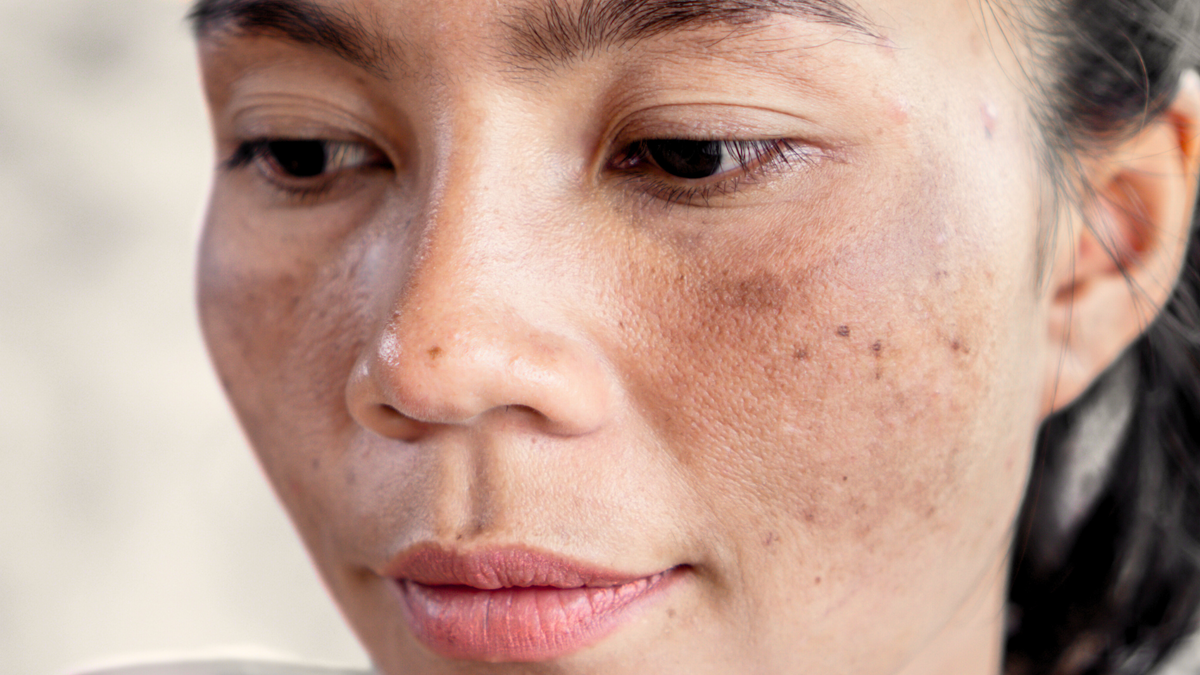
Pigmentation is not merely a cosmetic issue but a dermatological condition influenced by internal and external triggers. Melanin production varies based on genetics, hormones, inflammation, and environmental exposure. Without identifying the underlying cause, treatment outcomes may be inconsistent or temporary. Diagnosis allows practitioners to classify pigmentation types such as melasma, post-inflammatory hyperpigmentation, sun-induced spots, or genetic discoloration, ensuring interventions are medically appropriate.
Why Diagnosis Is the First Step in Treatment Planning
A structured diagnosis determines whether pigmentation is superficial, deep, or mixed within the skin layers. This distinction directly affects treatment selection and expected response. Diagnostic evaluations help rule out systemic conditions, medication-induced pigmentation, or lifestyle contributors that may interfere with results. A thorough assessment reduces trial-and-error approaches and supports evidence-based skin management aligned with EEAT principles.
Key Elements of a Comprehensive Pigmentation Assessment
Effective diagnosis relies on a combination of clinical evaluation and patient history. Practitioners typically assess:
Skin type and sensitivity level
Pigmentation depth and pattern distribution
History of sun exposure and protection habits
Hormonal factors or recent skin trauma
Use of active skincare ingredients or treatments
Each factor contributes to a clearer clinical picture, enabling personalized treatment mapping rather than generic protocols.
Role of Technology in Accurate Diagnosis
Advanced diagnostic tools enhance visual and structural analysis of pigmentation. Imaging systems, magnification devices, and light-based assessments help detect pigment depth not visible to the naked eye. In Dubai’s climate, where UV exposure is intense year-round, technology-assisted diagnosis plays a vital role in identifying sun-related damage early and guiding long-term skin correction strategies.
Personalization Through Diagnostic Insights
Once diagnosis clarifies the pigmentation type and triggers, treatment plans can be customized for gradual, sustainable improvement. Personalization ensures compatibility with the patient’s skin biology, reducing the risk of irritation or rebound pigmentation. This tailored approach aligns with global best practices and reinforces trust in pigmentation treatment pathways.
Preventive Guidance Based on Diagnosis
Diagnosis does more than inform treatment; it shapes preventive care. Patients receive targeted guidance on sun protection, skincare routines, and lifestyle adjustments relevant to their specific pigmentation profile. Preventive strategies are particularly important in Dubai, where climate and outdoor exposure significantly influence pigmentation recurrence.
Building Long-Term Results Through Ongoing Evaluation
Pigmentation management is an evolving process rather than a one-time solution. Initial diagnosis sets the baseline, while follow-up assessments track skin response and adaptation. Periodic re-evaluation allows adjustments based on progress, seasonal changes, or hormonal shifts, supporting consistent and reliable outcomes.
Conclusion
Understanding how diagnosis precedes pigmentation treatment plans highlights the importance of assessment-driven skin care. For individuals seeking Pigmentation Treatment in Dubai, diagnostic precision ensures treatments are safe, targeted, and aligned with individual skin needs. A diagnosis-first approach strengthens clinical credibility, enhances patient confidence, and supports long-term skin health through informed, personalized care.