How Do Chemical Peels Create A Controlled Injury?

Skin resurfacing has evolved into a refined dermatology technique used to improve tone, texture, and clarity. When people ask, does a chemical peel affect the dermis layer, the answer depends on the type and depth of peel used rather than a single universal outcome. Chemical Peels In Dubai are widely sought for addressing sun exposure, uneven pigmentation, and early signs of aging, and reputable aesthetic centers such as Dynamic Life Clinic often emphasize treatment customization based on skin structure and goals.
Understanding how chemical peels interact with the skin requires a clear view of skin anatomy and peel classifications.
Understanding Skin Layers and Their Functions
The skin consists of three primary layers, each with a distinct role in protection and regeneration.
Epidermis: The outermost layer responsible for barrier protection, pigmentation, and visible texture
Dermis: The supportive middle layer containing collagen, elastin, and blood vessels
Subcutaneous layer: The deepest layer that provides insulation and structural support
Chemical peels are designed to exfoliate controlled layers of skin, and whether the dermis is affected depends on how deeply the exfoliation penetrates.
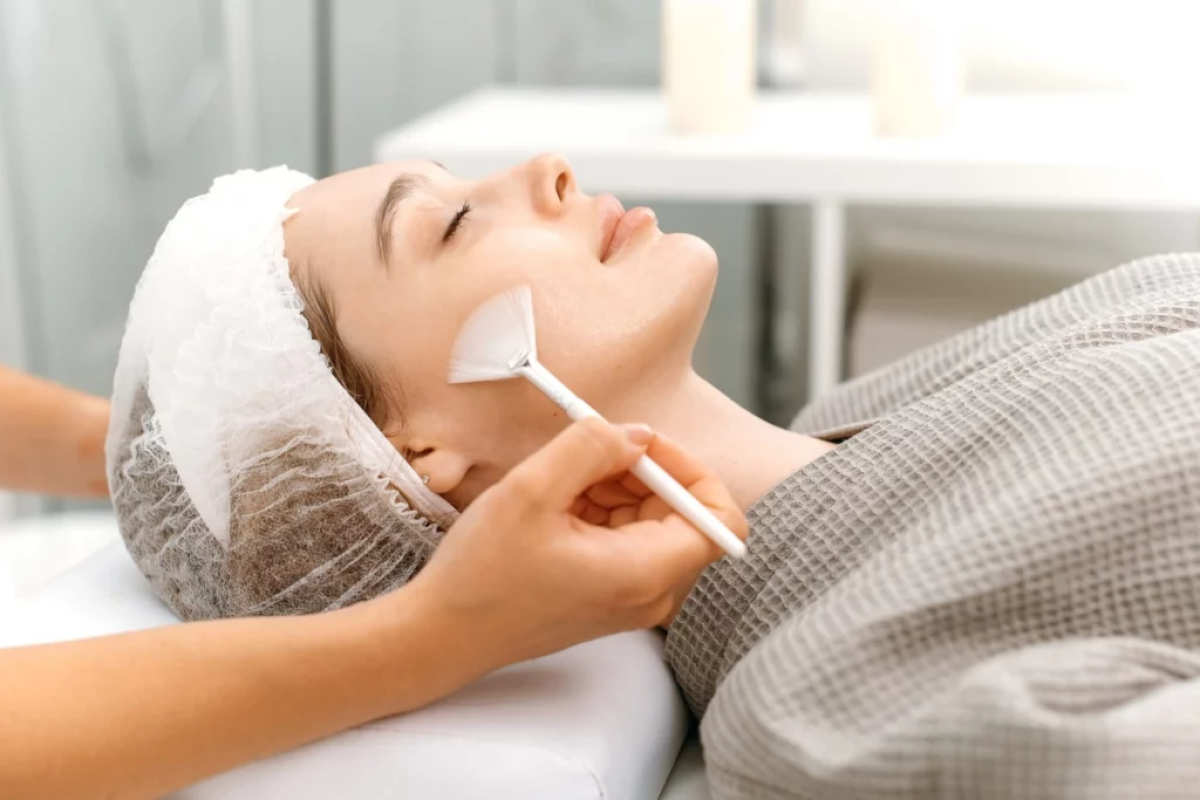
Types of Chemical Peels Based on Depth
Chemical peels are categorized by how far they reach into the skin, which directly determines their effect on the dermis layer.
- Superficial peels target only the epidermis and focus on mild discoloration and rough texture
- Medium-depth peels penetrate through the epidermis and reach the upper dermis
- Deep peels extend further into the mid-dermis and are used for advanced skin concerns
This depth-based approach ensures that dermal involvement is intentional and controlled rather than accidental.
Do Superficial Peels Affect the Dermis?
Superficial chemical peels do not reach the dermis layer. Their action remains limited to the epidermis, promoting gentle exfoliation and faster cell turnover. These peels are commonly used for brightening dull skin, refining pores, and refreshing overall appearance. Since the dermis remains untouched, recovery is usually minimal and skin integrity stays intact.
How Medium Peels Interact With the Dermis
Medium-depth peels are where dermal interaction begins. These peels reach the upper portion of the dermis, triggering a regenerative response that stimulates collagen production. This controlled dermal stimulation helps improve moderate pigmentation issues, fine lines, and uneven texture. The dermis is not damaged but rather activated to renew itself, which is why professional assessment is essential.
Deep Chemical Peels and Dermal Impact
Deep chemical peels are designed to penetrate deeper into the dermis layer. Their purpose is to address pronounced wrinkles, significant sun damage, and deeper textural irregularities. Because they directly affect the dermis, they initiate a strong healing response that leads to noticeable skin renewal. These peels require careful candidate selection and post-treatment care due to their intensity.
Why Dermal Stimulation Matters
The dermis plays a key role in skin firmness and elasticity. When certain chemical peels reach this layer, they stimulate fibroblast activity, encouraging the production of collagen and elastin. This process leads to long-term improvements in skin structure rather than just surface-level enhancement. Controlled dermal involvement is what makes medium and deep peels effective for aging-related concerns.
Safety Considerations and Skin Type Relevance
Whether a chemical peel affects the dermis layer also depends on skin type, sensitivity, and environmental exposure. In regions with high sun intensity like Dubai, careful peel selection is critical to avoid complications. Tailored treatment planning ensures that dermal interaction remains beneficial rather than disruptive, aligning results with individual skin behavior.
Post-Peel Skin Regeneration Process
After a peel that involves the dermis, the skin undergoes a natural healing cycle. Old, damaged cells are shed while new cells form and rise to the surface. Dermal stimulation supports long-term improvements in tone and resilience, while the epidermis gradually restores its protective barrier. This layered regeneration explains why results continue to improve weeks after treatment.
Conclusion
So, does a chemical peel affect the dermis layer? It can, but only when the peel is designed to do so. Superficial peels stay on the surface, medium peels gently activate the upper dermis, and deep peels reach further for more transformative outcomes. Understanding peel depth, skin anatomy, and proper treatment planning helps ensure safe, effective skin rejuvenation, especially for those exploring Chemical Peels In Dubai.