How Do Skincare Treatments Work Medically?

Healthy skin is not only about appearance; it reflects the biological processes occurring beneath the surface. Many people searching for How Do Skincare Treatments Work Medically? want to understand how professional procedures actually affect the skin at a cellular level. Modern Skincare Treatments in Dubai are designed using dermatological science to target issues such as pigmentation, acne, aging, and dehydration by stimulating natural repair mechanisms. Clinics like Dynamic Clinic in Dubai are known for offering medically guided skin solutions that align with these advanced dermatological principles.
The Medical Science Behind Skin Structure
To understand how treatments work, it is important to first know how the skin functions biologically. The skin consists of three main layers:
Epidermis: The outer protective layer responsible for skin tone and barrier protection
Dermis: The middle layer containing collagen, elastin, blood vessels, and hair follicles
Subcutaneous Layer: The deepest layer that stores fat and provides insulation
Most medical skincare procedures focus on stimulating the dermis because this layer contains collagen and elastin fibers responsible for firmness and elasticity.
Dermatological treatments interact with these layers through controlled stimulation, triggering natural healing responses that improve skin quality.
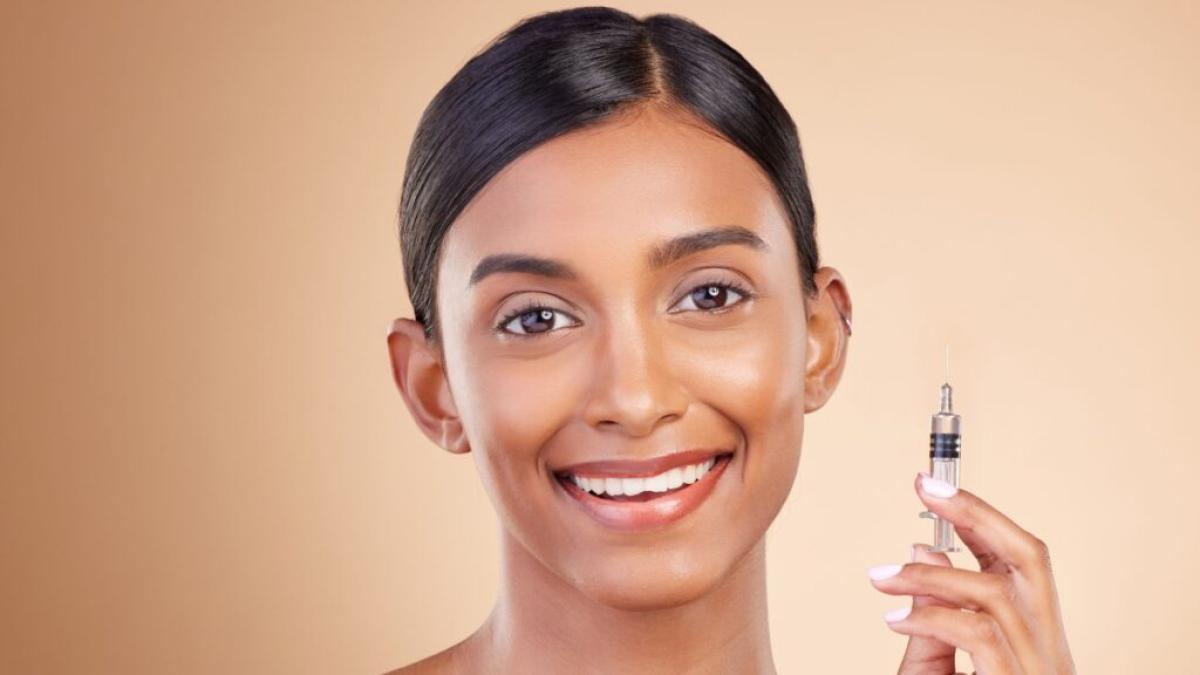
How Medical Skincare Treatments Stimulate Skin Renewal
One of the primary ways treatments work is by accelerating the skin's natural regeneration cycle. Normally, skin cells renew every 28–40 days, but aging, sun exposure, and environmental stress can slow this process.
Medical-grade treatments support renewal by:
Removing damaged surface cells
Stimulating collagen production
Increasing blood circulation
Encouraging the growth of new healthy skin cells
This controlled stimulation signals the body to repair the treated area, resulting in smoother, clearer, and more balanced skin.
Collagen Stimulation and Skin Repair
Collagen is the most important structural protein in the skin. As people age, collagen production decreases, leading to wrinkles, sagging, and loss of elasticity.
Many dermatological treatments are designed specifically to boost collagen production. This occurs through micro-injury techniques or energy-based stimulation that activates the body's healing response.
When the skin detects controlled micro-injuries, it begins a repair process that includes:
Producing new collagen fibers
Strengthening elastin networks
Rebuilding the dermal structure
This gradual remodeling process improves skin texture, firmness, and overall appearance over time.
Targeting Pigmentation and Skin Tone Medically
Pigmentation issues such as dark spots, melasma, and uneven tone are caused by excess melanin production. Medical skincare treatments target the cells responsible for melanin formation.
These treatments work by:
Breaking down clusters of pigment within the skin
Reducing melanin overproduction
Encouraging the replacement of pigmented cells with healthier ones
By controlling melanin activity and promoting skin renewal, dermatological procedures help restore a more balanced and uniform complexion.
Managing Acne Through Clinical Treatments
Acne is not only a cosmetic concern; it is a medical condition involving clogged pores, bacteria, inflammation, and excess oil production.
Clinical skincare treatments address multiple causes simultaneously. They may:
Reduce bacteria responsible for acne breakouts
Regulate oil production within sebaceous glands
Unclog pores and remove dead skin cells
Calm inflammation and redness
By targeting the root causes rather than only surface symptoms, these treatments help reduce future breakouts while improving skin clarity.
Hydration and Skin Barrier Restoration
Another key medical function of skincare treatments is restoring the skin barrier. The skin barrier protects against environmental damage, bacteria, and moisture loss.
When this barrier becomes weakened, the skin may experience dryness, irritation, or sensitivity.
Professional skincare procedures can improve barrier health by:
Delivering deep hydration into the skin layers
Strengthening lipid structures in the epidermis
Supporting the skin’s natural protective function
Improving the barrier helps the skin maintain moisture balance and defend itself against external stressors.
The Role of Technology in Modern Skincare Treatments
Advancements in dermatological technology have significantly improved how skincare treatments work medically. Many modern procedures use specialized equipment to target specific skin concerns without damaging surrounding tissue.
Common technologies used in dermatology include:
Light-based therapies for pigmentation and acne
Radiofrequency for collagen stimulation
Laser systems for resurfacing and skin renewal
Microneedling devices for dermal regeneration
These technologies allow practitioners to treat skin conditions with greater precision while activating the body’s natural healing mechanisms.
Personalized Treatment Approaches
Every individual's skin has unique characteristics, which is why medical skincare treatments are typically customized. Dermatological assessments consider several factors:
Skin type and sensitivity
Existing skin conditions
Environmental exposure
Age-related skin changes
A personalized approach ensures treatments address the root causes of skin concerns rather than applying a generalized solution.
Conclusion
Understanding How Do Skincare Treatments Work Medically? reveals that these procedures are based on dermatological science rather than simple cosmetic enhancement. By stimulating collagen production, accelerating skin renewal, regulating pigmentation, and strengthening the skin barrier, medical skincare treatments help restore healthier skin function from within. As dermatological technology continues to evolve, scientifically guided skincare treatments provide more targeted and effective solutions for maintaining long-term skin health.