How Do Surgeons Plan An Effective Crown Hair Transplant?

Understanding “How Do Surgeons Plan an Effective Crown Hair Transplant?” is essential for anyone preparing for hair restoration, especially those considering a Crown Hair Transplant in Dubai. The crown area behaves differently from the frontal hairline, making planning a highly technical step. Clinics such as Dynamic Clinic in Dubai emphasize a careful, strategic approach to ensure natural, long-lasting results tailored to each patient.
Why the Crown Area Requires Advanced Planning
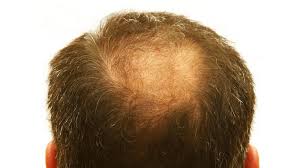
The crown (or vertex) is one of the most complex regions of the scalp. Unlike the front—where patients often seek immediate cosmetic change—the crown contains a natural swirl pattern that must be restored accurately. Its shape, density, and long-term progression of hair loss influence how surgeons create a sustainable plan.
Understanding the Patient’s Hair Loss Pattern
Before any graft placement is discussed, the surgeon studies the overall pattern of androgenic alopecia. Crown thinning typically appears later in life, so experienced specialists consider future changes.
Key evaluation points include:
Extent of current thinning and whether the crown loss is active or stabilizing
Donor hair availability, especially for long-term planning
Hair caliber, curl, and density, which affect how full the crown can appear
The patient’s age, lifestyle, and expectations
This evaluation ensures the treatment aligns with long-term goals rather than creating temporary improvement.
Mapping the Natural Crown Whorl
One of the defining features of crown planning is the reconstruction of the whorl, the natural spiral pattern at the top of the scalp. A well-designed whorl blends seamlessly into existing hair.
Surgeons typically:
Examine the natural direction of surviving hairs in and around the crown
Map out the swirl pattern using visual markers before extraction
Decide whether the patient has a single or double whorl pattern
Determine how the new grafts will integrate with future hair thinning
Restoring this flow correctly is critical because even small directional mistakes can make results look artificial.
Estimating Graft Requirements With Precision
The crown may require more grafts than other zones, but expert planning focuses on strategic density, not maximum density.
Surgeons aim to:
Preserve donor hair for future procedures
Prioritize visual impact over unnecessary graft placement
Use micro- and mini-grafts to replicate the gradual density changes of natural crowns
The goal is sustainability: ensuring the result looks good today and remains natural as hair naturally changes over time.
Creating a Density Gradient That Looks Real
The crown is never uniformly dense in nature. This is why surgeons build a density gradient, starting with lighter density in the center of the whorl and increasing slightly outward.
This technique:
Enhances the illusion of fullness
Reduces the risk of overusing grafts
Helps grafts settle naturally with existing hair
Leveraging Technology and Experience
Leading clinics in Dubai incorporate high-resolution imaging, digital scalp analysis, and advanced hair-growth forecasting tools. These enhance the planning process but never replace surgical judgment. Effective crown restoration relies heavily on a surgeon’s refined eye for detail, hands-on experience, and long-term aesthetic understanding.
What Patients Can Expect From the Planning Process
A well-structured consultation usually includes:
Digital scalp photography for accurate documentation
Donor area evaluation to determine sustainability
Long-term hair strategy discussion, ensuring the crown is treated as part of a full-scalp plan
Clear explanation of the anticipated outcome, rooted in realistic goals
Surgeons prioritize transparency so patients understand what is achievable and how the results will evolve.
Final Thoughts
Planning a crown restoration is an art supported by scientific precision. By understanding how surgeons plan an effective crown hair transplant, patients can make informed decisions and set realistic expectations. For individuals in Dubai, choosing an experienced clinic that values careful planning and long-term results can significantly elevate the overall experience. A well-executed crown transplant doesn’t just restore hair—it restores confidence with results that blend seamlessly and age gracefully.