How Does A Hair Transplant Affect Overall Scalp Health?

Scalp health plays a significant role in the appearance, strength, and vitality of hair. Many people exploring hair restoration also wonder how such treatments influence the overall condition of the scalp. Understanding the broader impact helps individuals feel more confident about their decision. When people consider options like Hair Transplant in Dubai, they often focus on hair density, but the conversation should also include how the scalp environment adapts and maintains balance afterward.
Relationship Between Hair Follicles and Scalp Condition
Hair follicles and scalp tissue work together to maintain a balanced ecosystem. When follicles are healthy and properly distributed, the scalp often experiences improved circulation and natural support for hair growth. A fuller follicular landscape may help maintain moisture balance and provide better coverage against environmental stressors. Additionally, a scalp with evenly distributed follicles can feel more comfortable because the natural hair network helps regulate oil distribution, reduces exposure to harsh elements, and supports a healthier appearance across the entire scalp surface.
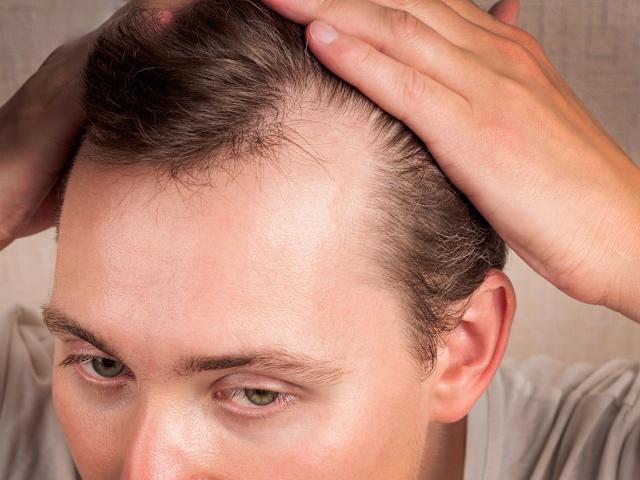
Improved Scalp Coverage and Protection
- Protection from sunlight: Hair acts like a natural shield that helps reduce direct sun exposure on the scalp surface.
- Reduced environmental irritation: Hair coverage can minimize the impact of dust, wind, and pollution on delicate scalp skin.
- Balanced oil distribution: Hair strands help natural oils travel across the scalp more evenly.
- Improved scalp comfort: A well-covered scalp often experiences less dryness and sensitivity.
- Better temperature regulation: Hair provides insulation that helps maintain a stable scalp environment.
Natural Oil Balance on the Scalp
Sebum production is essential for maintaining hydration and flexibility of the scalp. When hair follicles are evenly present, natural oils can spread more effectively through the hair strands rather than accumulating in isolated areas. This balanced distribution often supports a smoother scalp texture and reduces the feeling of dryness or excess oiliness. A healthier oil balance can also improve the appearance of the scalp, giving it a more nourished and well-maintained look over time.
Scalp Hygiene and Maintenance Benefits
Maintaining scalp hygiene becomes easier when hair grows in a more consistent pattern. A balanced hair distribution allows cleansing products to spread more evenly and makes routine care more effective. With proper hair presence, the scalp can retain its natural moisture while still being cleaned efficiently. This helps maintain freshness and reduces buildup of impurities. Over time, a well-maintained scalp environment encourages healthier hair conditions and supports overall scalp comfort.
How Hair Density Influences Scalp Comfort
- Reduced direct skin exposure: Greater hair density helps protect the scalp from harsh environmental factors.
- Less friction on scalp skin: Hair provides cushioning that prevents direct rubbing against hats, pillows, or clothing.
- Better moisture retention: Dense hair strands help keep natural hydration closer to the scalp surface.
- Enhanced scalp stability: Hair follicles form a supportive structure that helps maintain scalp resilience.
- Improved overall scalp feel: Many individuals report that a fuller scalp feels more balanced and comfortable.
Psychological Effects Linked to Scalp Health
Scalp health is not only physical; it also connects strongly with emotional well-being. Feeling confident about hair appearance often improves how individuals perceive their scalp condition. When people notice fuller hair coverage, they may also become more attentive to scalp care routines such as gentle cleansing, hydration, and protection. This increased attention can indirectly support better scalp maintenance habits and contribute to long-term scalp wellness.
Scalp Circulation and Hair Presence
Hair follicles are connected to small blood vessels that nourish the scalp and support hair vitality. A scalp with active follicles tends to maintain steady circulation throughout the skin. Consistent circulation can help the scalp remain nourished and balanced, which contributes to a healthier environment overall. This connection between follicles and scalp tissue highlights why many individuals consider hair restoration as part of a broader approach to maintaining scalp vitality.
Support Scalp Health
- Regular scalp cleansing: Keeping the scalp clean helps maintain a balanced environment for hair and skin.
- Gentle scalp massage: Light massage can promote comfort and encourage relaxation of scalp tissues.
- Proper hydration: Drinking sufficient water supports skin health, including the scalp.
- Balanced nutrition: Nutrient-rich foods contribute to stronger hair and a healthier scalp surface.
- Consistent hair care routine: Using suitable products and maintaining regular care keeps the scalp in optimal condition.
Final Thoughts
Hair restoration can influence more than just hair appearance; it also interacts with the overall condition of the scalp. Balanced follicle distribution, improved coverage, and better oil flow may all contribute to a healthier scalp environment. When people understand this connection, they begin to view hair restoration as part of a broader scalp wellness perspective. Maintaining good hygiene, protective habits, and consistent care helps ensure that both hair and scalp remain comfortable, resilient, and healthy over time.