How Does A Hair Transplant Differ For Women?

Understanding How does a hair transplant differ for women? is essential for patients seeking natural, long-term solutions for thinning hair, especially in image-conscious regions like Dubai where aesthetic precision matters. Many individuals researching options such as Hair Transplant in Ajman are surprised to learn that female procedures follow a completely different planning approach than male treatments, with clinics like Dynamic Life Clinics highlighting the need for gender-specific assessment and design.
Female Hair Loss Patterns Are Diffuse, Not Receding
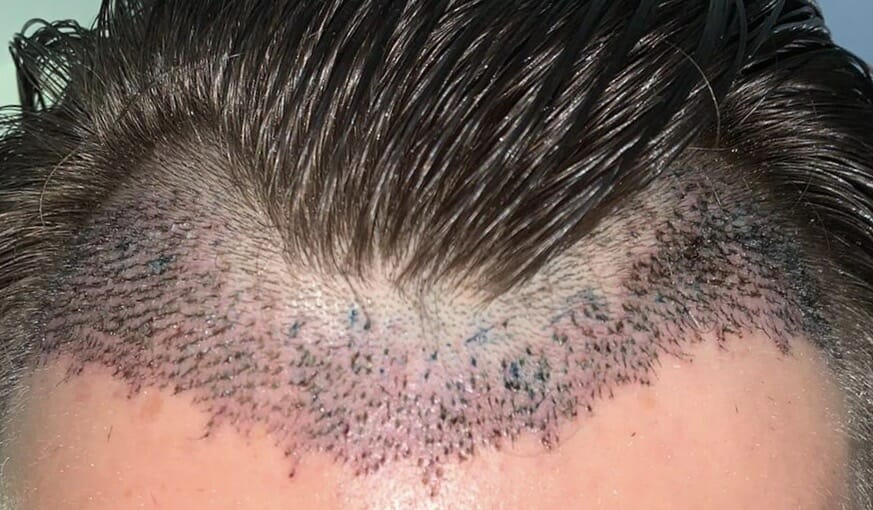
Male transplants typically focus on restoring a receding hairline or crown baldness, while women usually experience diffuse thinning across the mid-scalp with the frontal hairline preserved. This changes the entire surgical strategy because:
There is rarely a need to lower or redesign the hairline
The goal is to increase overall density rather than fill bald patches
Existing hair must be protected during graft placement
This pattern requires meticulous spacing between grafts to avoid damaging native follicles.
Donor Area Stability Requires Extra Evaluation
In men, the donor zone at the back of the scalp is usually stable and resistant to hormonal hair loss. Women, however, may have widespread miniaturization, meaning the donor area itself can be affected. A proper assessment includes:
Measuring donor density across multiple zones
Checking for hidden thinning in the occipital region
Identifying conditions like diffuse unpatterned alopecia
Transplanting unstable donor hair can lead to poor long-term survival, making pre-procedure diagnostics more critical.
Hairline Design Focuses on Preservation, Not Reconstruction
Female hairlines are typically lower, softer, and more rounded than male hairlines. Most women seeking transplantation want to maintain their natural framing rather than create a new shape. Surgical planning prioritizes:
Micro-irregular placement for a soft edge
Avoiding aggressive lowering of the hairline
Matching natural growth angles for styling flexibility
Even small deviations in angle or density can appear unnatural because women often wear their hair pulled back.
Shaving Is Often Avoided
One of the biggest procedural differences is the non-shaven or partially shaven technique commonly used for women. Many female patients prefer to keep their existing hair length for social and professional reasons. This requires:
Extracting follicles without fully shaving the donor area
Working between existing strands during implantation
Longer operative time due to limited visibility
The technical difficulty is higher, but the recovery period is more discreet.
Density Planning Is More Complex
Male procedures often aim for coverage of visibly bald areas, whereas female transplants must increase density without creating patchy contrast. Surgeons distribute grafts evenly across thinning zones rather than concentrating them in one spot. Key considerations include:
Blending transplanted hair with miniaturized native hair
Avoiding over-packing that could damage surrounding follicles
Creating uniform fullness for natural volume
This approach produces a subtle improvement rather than a dramatic hairline change.
Hormonal and Medical Factors Play a Larger Role
Female hair loss is frequently linked to hormonal fluctuations, thyroid imbalance, anemia, or polycystic ovarian syndrome, all of which must be stabilized before surgery. Unlike many male patients, women often require:
Blood tests to identify underlying deficiencies
Medical therapy alongside transplantation
Ongoing monitoring for progressive thinning
Treating the root cause improves graft survival and prevents future loss around transplanted areas.
Psychological Considerations and Aesthetic Goals
Hair loss in women often carries a different emotional impact, affecting styling freedom and daily confidence. Consultations typically focus on:
Realistic expectations for volume rather than full density
Long-term planning for progressive thinning
Styling habits such as parting direction and ponytail use
The success of the procedure is measured not only by graft survival but also by how naturally the hair integrates into daily life.
Technique Selection May Differ
While both men and women can undergo follicular unit extraction (FUE), the execution is more delicate in female cases due to the presence of existing hair. Technique modifications may include:
Smaller punches to minimize visible donor thinning
Lower extraction rates to preserve density
Strategic implantation following natural part lines
These refinements reduce the risk of visible donor depletion when hair is worn short or tied up.
Recovery and Styling Flexibility
Women often return to their routines sooner because non-shaven techniques allow them to cover the recipient area with surrounding hair. Post-procedure planning emphasizes:
Gentle washing techniques that protect existing strands
Avoiding tight hairstyles during early healing
Gradual resumption of heat styling tools
The ability to maintain normal appearance during recovery is a major advantage for working professionals.
Cultural and Lifestyle Factors in the UAE
In regions like Dubai and Ajman, aesthetic treatments must align with professional environments, social visibility, and modest styling preferences. Many women choose procedures that:
Do not require visible shaving
Allow quick return to public settings
Support versatile hairstyles, including covered and uncovered looks
This demand has driven the adoption of advanced implantation methods tailored to female patients.
Candidate Evaluation Checklist for Women
A suitable female transplant candidate is identified through a comprehensive assessment that includes:
Stable donor density
Diagnosed and managed medical causes of hair loss
Realistic expectations about achievable fullness
Commitment to long-term hair care and medical therapy
Patients with active shedding conditions may be advised to delay surgery until stabilization.
Conclusion
Female hair transplantation is a precision-driven procedure focused on density enhancement, donor preservation, and natural integration with existing hair. The planning process differs from male treatments in pattern analysis, hormonal evaluation, and non-shaven surgical execution. Women in Dubai exploring options like Hair Transplant in Ajman benefit from individualized strategies that respect cultural preferences, styling needs, and long-term hair health while prioritizing subtle, undetectable results.