How Does Beard Hair Transplant Work For Patchy Beards?

Patchy beards can affect self-confidence and make grooming difficult. Many individuals explore solutions to achieve a fuller facial hair look. One popular method gaining attention is the Beard Hair Transplant in Dubai, which targets sparse areas and encourages natural growth. This approach has helped people attain a more even beard appearance, enhancing their facial symmetry while allowing them to style their beard confidently, regardless of natural growth patterns.
Understanding Beard Growth Patterns
Beard growth varies greatly between individuals, influenced by genetics, hormones, and age. Some men experience thin or uneven facial hair, especially in the cheeks or under the jawline. These patterns make patchy areas more visible, leading to dissatisfaction. Identifying where hair is naturally dense versus sparse is essential. This helps determine which areas need attention for a balanced, natural appearance without overcompensating in already dense regions.
Identifying Patchy Areas
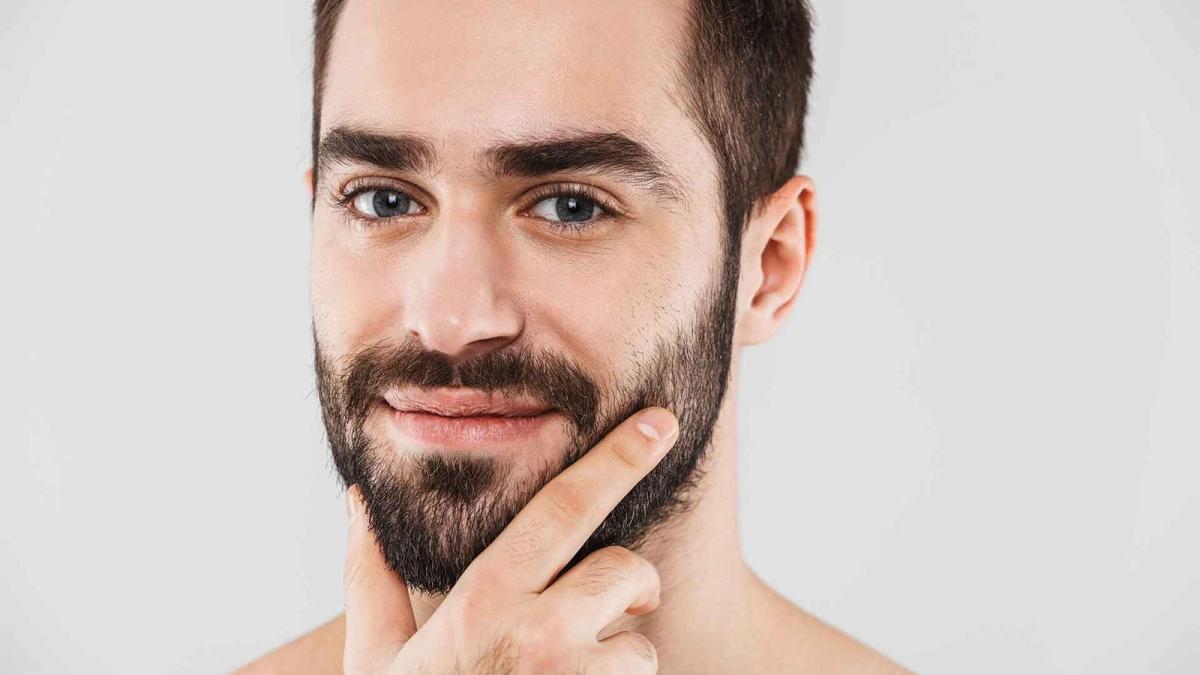
Patchy areas are most common along the cheeks, chin, and mustache regions. Men may notice gaps forming in irregular shapes that disrupt uniformity. Observing these gaps is the first step toward achieving a fuller look. Techniques to address these areas focus on redistributing hair from denser regions or enhancing weaker follicles. Proper mapping ensures that the treatment aligns with natural hair direction for seamless integration.
Selecting Suitable Donor Hair
The donor hair plays a crucial role in achieving natural results. Hair is often taken from regions with characteristics similar to facial hair. These follicles are robust and adapt well to the recipient site. Choosing the right donor hair ensures that transplanted strands match thickness, curl, and texture. This careful selection minimizes visual differences and allows the new beard to blend effortlessly with existing facial hair.
Preparing the Recipient Site
Preparing the areas that need enhancement is critical. The recipient site must be ready to receive transplanted hair to maximize growth potential. Proper preparation includes cleansing and marking patchy regions to guide placement. Ensuring the skin is healthy and free of infections helps the transplanted hair settle securely. This preparation lays the foundation for long-lasting integration, resulting in a consistent, fuller beard appearance.
Hair Placement Techniques
- Angle of insertion to match surrounding hairs
- Maintaining consistent spacing for even density
- Aligning hair curl and texture
- Avoiding overcrowding that looks artificial
- Strategic distribution for facial symmetry
Post-Enhancement Care
After hair transplantation, care for newly enhanced areas is essential. Maintaining cleanliness, avoiding excessive friction, and using gentle skincare products help the transplanted hair thrive. Protective routines prevent irritation and ensure follicles integrate well with existing hair. Regular monitoring helps identify any minor adjustments needed early on. Proper care also supports natural growth cycles, enhancing the final look without compromising overall beard health.
Boosting Beard Growth Naturally
- Massage facial areas to boost blood flow
- Use gentle exfoliation to remove dead skin
- Maintain hydration for hair shaft health
- Apply oils or serums to nourish follicles
- Avoid stress that can affect hair growth
Common Concerns Addressed
Many individuals have questions about appearance, healing, and integration. Addressing these concerns helps build confidence in choosing facial hair enhancements. Understanding that minor shedding can occur initially reassures those undergoing the procedure. With proper care, hair integrates seamlessly, reducing the appearance of patchiness. Awareness of realistic expectations also ensures satisfaction with the final outcome. Clear guidance minimizes worries and promotes positive experiences.
Styling Options After Enhancement
- Shaping jawlines for a defined look
- Blending cheeks with existing hair
- Using trimming to maintain uniform length
- Highlighting mustache for character
- Keeping edges clean for a polished finish
Final Thoughts
Achieving a fuller beard through targeted enhancement addresses patchiness effectively. Careful attention to hair selection, placement, and maintenance ensures natural-looking results. Combining these methods with lifestyle practices encourages healthier growth and consistent density. By understanding individual growth patterns and implementing strategic enhancements, men can gain confidence, grooming freedom, and a more balanced appearance. Ultimately, achieving a natural, full beard is within reach for those seeking to transform patchy areas.