How Does Hair Transplant Suit Different Hair Types Safely?

Hair restoration has become an adaptable solution for individuals experiencing hair loss across a wide range of hair textures, densities, and ethnic backgrounds. With advancements in techniques and refined clinical approaches, procedures such as Hair Transplant in Dubai are now tailored to match the natural characteristics of each person’s hair. This personalization ensures that the outcome blends seamlessly while maintaining safety across different hair types and scalp conditions.
Understanding Hair Type Variations
Hair types differ in curl pattern, thickness, color contrast, and follicle behavior. Straight, wavy, curly, and coily hair each present unique challenges and advantages during transplantation. Straight hair may provide a uniform appearance, while curly or coily hair often offers greater visual density due to its natural volume. Recognizing these variations allows specialists to design approaches that respect the individuality of each patient’s hair profile.
Role of Professional Assessment
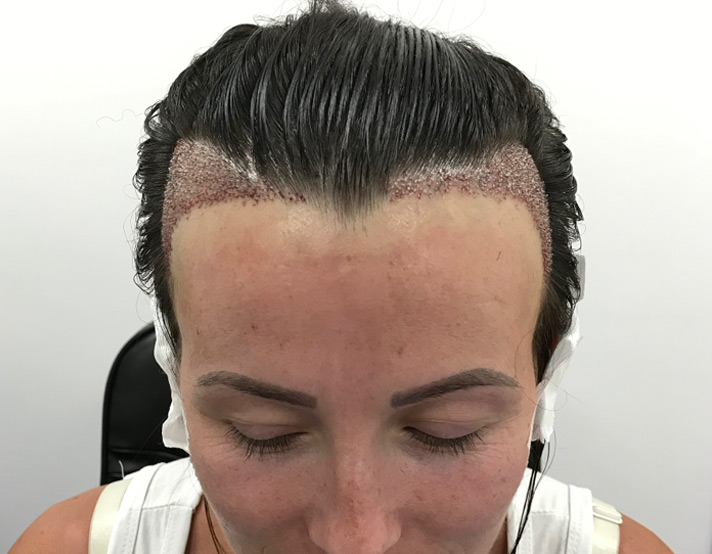
A thorough evaluation is essential before proceeding with any hair restoration plan. Doctors examine donor area strength, scalp condition, hair shaft characteristics, and overall suitability. This assessment helps determine how grafts will behave after placement and how well they will integrate with existing hair. The involvement of experienced doctors ensures precision and safe handling of delicate follicular units.
Importance of Hair Texture Matching
Matching transplanted follicles with existing hair texture is critical for achieving a natural appearance. For example, curly hair must be aligned in a way that preserves its natural curvature, while straight hair requires precise angling to maintain flow. Proper alignment prevents unnatural patterns and supports a consistent look that complements the individual’s original hair structure.
Safety Considerations Across Hair Types
Proper handling of grafts minimizes trauma to follicles during extraction and placement
Customized planning reduces stress on the scalp and surrounding tissue
Sterile techniques help maintain a controlled and hygienic environment
Careful spacing of grafts prevents overcrowding and supports healthy growth patterns
Suitability for Straight Hair
Straight hair typically lies flat, making it easier to manage during transplantation. Its predictable growth direction allows doctors to align grafts with high accuracy. This hair type often requires careful angling to avoid a flat or artificial look. With precise placement, straight hair can achieve a refined and natural density that complements facial features.
Suitability for Wavy Hair
Wavy hair provides a balance between volume and structure. Its natural movement can enhance coverage even with fewer grafts. Doctors take advantage of wave patterns to create a fuller visual effect while maintaining harmony with surrounding hair. Proper distribution ensures that waves appear consistent and natural after transplantation.
Suitability for Curly and Coily Hair
Curly and coily hair types often offer greater coverage due to their spiral structure. However, these follicles require meticulous handling because of their curved roots beneath the scalp. Skilled doctors carefully extract and implant these grafts to preserve their natural shape. This attention to detail helps maintain the curl pattern while avoiding damage to the follicle.
Customization Techniques for Different Hair Types
Designing hairlines that align with facial proportions and hair texture
Adjusting graft angles to reflect natural growth direction
Selecting appropriate density levels based on hair thickness
Distributing grafts strategically for balanced coverage
Preserving donor area integrity while maximizing transplant efficiency
These customization strategies help achieve results that appear natural and consistent with each individual’s hair characteristics.
Importance of Doctor Expertise
The competency and specialization of doctors play a vital role in ensuring successful outcomes. Experienced professionals understand how to handle different hair textures, manage graft placement, and maintain follicle viability. Their knowledge allows them to adapt techniques according to the patient’s unique hair profile, ensuring both safety and aesthetic harmony.
Maintaining Natural Appearance Across Hair Types
Achieving a natural look requires careful attention to hairline design, density distribution, and follicle orientation. Doctors aim to replicate natural growth patterns rather than impose uniformity. This approach ensures that transplanted hair blends seamlessly with existing strands, regardless of whether the hair is straight, wavy, or curly.
Factors That Influence Suitability
Several elements contribute to how well a hair transplant suits different hair types. These include scalp elasticity, donor hair availability, follicle strength, and hair shaft diameter. Each factor is evaluated to ensure compatibility and safe transplantation. By considering these variables, specialists can tailor the approach to suit individual needs effectively.
FAQ's:
Can hair transplant work effectively for all hair types?
Yes, hair transplantation can be adapted for straight, wavy, curly, and coily hair types when performed with proper planning and expertise.
Is the procedure different for curly hair compared to straight hair?
Yes, curly hair requires more careful handling due to its curved follicle structure beneath the scalp, while straight hair allows easier alignment.
Does hair texture affect the natural appearance after transplantation?
Hair texture plays a role in visual density and blending, and proper technique ensures that the transplanted hair matches the natural pattern.
Are specialized techniques required for different hair types?
Yes, doctors adjust angles, density, and placement strategies depending on the hair type to maintain safety and natural results.
Why is doctor expertise important in hair transplant for different hair types?
Experienced doctors understand how to manage various hair textures, ensuring accurate graft handling, proper alignment, and consistent outcomes.
Conclusion
Hair transplantation is a versatile solution that can be successfully adapted to suit different hair types when handled with precision and expertise. By understanding the unique characteristics of each hair texture, specialists can design personalized approaches that prioritize safety and natural aesthetics. The role of skilled doctors is essential in ensuring that every step, from assessment to placement, aligns with the individual’s hair structure. With careful planning, advanced techniques, and attention to detail, hair restoration can provide harmonious results that complement diverse hair types while maintaining a natural and balanced appearance.