How Does Hyperhidrosis Treatment Work On Sweat Glands?

Hyperhidrosis treatment focuses on controlling excessive sweating by directly targeting the activity of sweat glands in the body. In many modern approaches, Hyperhidrosis Treatment in Dubai is designed to interrupt the overactive signals sent by nerves to these glands, helping regulate sweat production in a controlled and balanced way. This process does not eliminate the glands but modifies how they respond to stimuli, allowing the body to maintain normal temperature regulation without excessive perspiration.
Understanding Sweat Gland Activity
Sweat glands are small structures located within the skin that play an essential role in temperature regulation. They become active when the body needs to cool down or respond to stress. In individuals with hyperhidrosis, these glands are overresponsive, producing more sweat than necessary. Treatment methods aim to calm this overactivity rather than remove the glands completely.
Role of Nerve Signals
Sweat glands are controlled by the autonomic nervous system, which sends chemical signals to trigger sweating. Hyperhidrosis treatments work by disrupting or reducing these signals. When the communication between nerves and sweat glands is moderated, the glands produce less sweat even in situations that would normally trigger heavy perspiration.
Targeting Overactive Regions
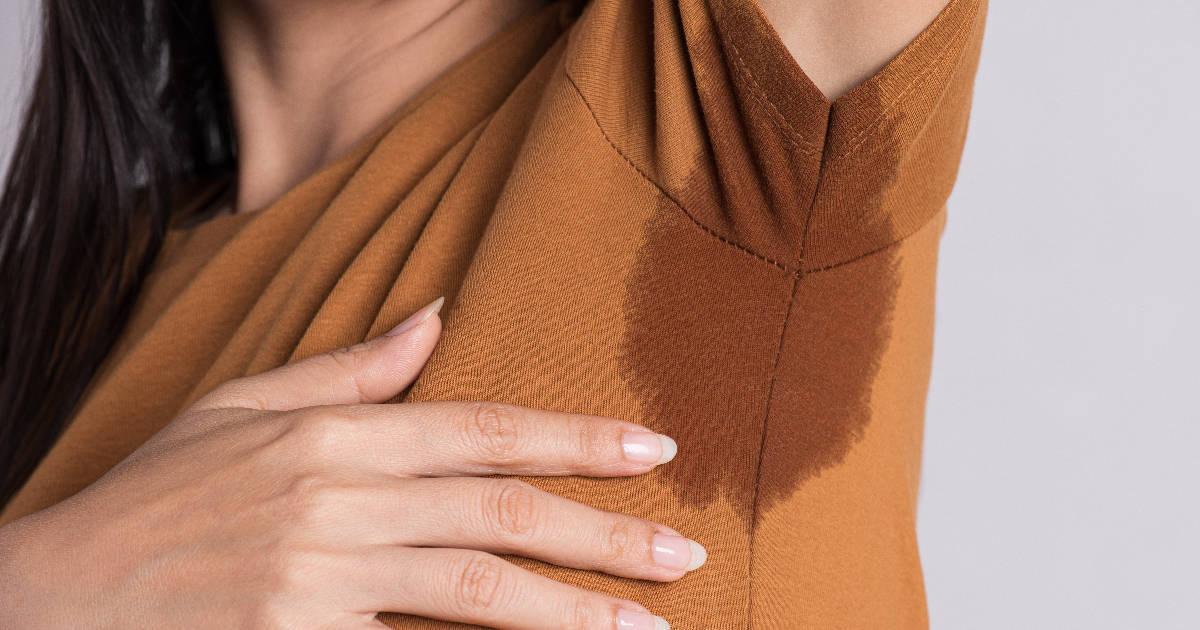
Hyperhidrosis often affects specific areas such as the underarms, palms, soles, or face. Treatments are designed to focus on these localized regions. By addressing only the affected zones, the rest of the body continues to function normally, maintaining natural sweating patterns where needed.
Mechanism of Sweat Regulation
The primary goal of treatment is to restore balance in sweat production. Rather than shutting down the glands entirely, the approach encourages a reduction in excessive output. This helps individuals experience improved comfort in daily activities without interfering with essential bodily functions.
Precision in Modern Approaches
Modern techniques are highly precise, allowing specialists to tailor the treatment to each individual’s condition. Doctors with strong expertise carefully assess the severity, location, and pattern of sweating before recommending a suitable approach. Their specialization ensures that the treatment aligns with the patient’s unique physiology and lifestyle needs.
Points That Influence Treatment Effectiveness
Severity of sweating in targeted areas
Responsiveness of sweat glands to nerve signals
Individual skin characteristics
Lifestyle and environmental triggers
Overall health and medical history
Temporary Modulation of Gland Activity
In many cases, treatments temporarily modify how sweat glands function. This modulation helps reduce excessive sweating while preserving the gland’s ability to respond when the body genuinely needs cooling. The temporary nature of this adjustment allows flexibility and ongoing management.
Importance of Professional Expertise
The success of hyperhidrosis management depends significantly on the skill and knowledge of the medical professional. Experienced doctors understand how sweat glands behave under different conditions and apply techniques that precisely address the root cause of excessive sweating. Their specialization ensures that each step of the process is handled with accuracy and care.
Personalized Treatment Planning
Every individual experiences hyperhidrosis differently, which is why personalized planning is essential. Doctors evaluate patterns of sweating, triggers, and patient goals before creating a tailored approach. This customization helps achieve balanced results that align with the individual’s needs without disrupting natural body functions.
Maintaining Natural Balance
A key objective of hyperhidrosis treatment is to maintain the body’s natural thermoregulation system. By selectively reducing overactive gland responses, the treatment supports a healthier balance between necessary and excessive sweating. This allows individuals to feel more comfortable in social, professional, and physical activities.
FAQ's:
What causes sweat glands to become overactive?
Overactive sweat glands are usually influenced by nerve signals that trigger excessive sweating, even without heat or physical exertion.
Can sweat glands return to normal function after treatment?
Yes, many treatments are designed to temporarily regulate gland activity, allowing them to function normally when needed.
Is hyperhidrosis linked to specific body areas?
Yes, it commonly affects areas such as underarms, hands, feet, and face, where sweat glands are more concentrated.
How do doctors determine the right treatment approach?
Doctors evaluate the severity, location, and pattern of sweating along with the patient’s medical background to design a suitable plan.
Why is specialist expertise important in treatment?
Specialists understand the behavior of sweat glands and nerve interactions, enabling them to apply precise and effective treatment strategies.
Conclusion
Hyperhidrosis treatment works by addressing the underlying communication between nerves and sweat glands, helping regulate excessive sweating without disrupting the body’s natural cooling system. Through targeted approaches, the activity of overactive glands is moderated, allowing individuals to experience improved comfort and confidence in daily life. With the expertise of skilled doctors, treatment plans are carefully tailored to each individual, ensuring that sweat gland function is managed effectively while preserving overall skin health and physiological balance.