How Does Laser Tattoo Removal Actually Work On Skin?

Tattoos are often chosen as meaningful forms of self-expression, but personal preferences can change over time. When individuals decide to remove body ink, advanced laser technology is widely considered an effective approach. Many people researching Laser Tattoo removal in Dubai are curious about how this method interacts with the skin and tattoo pigments. Understanding the basic working principles behind laser tattoo removal helps clarify why it has become a popular option for addressing unwanted ink safely.
Understanding Tattoos Beneath the Skin
Tattoos exist because ink pigments are placed into deeper layers of the skin rather than the surface. The body recognizes these pigments as foreign particles but cannot easily remove them because they are relatively large and stable. As a result, the ink remains visible through the upper skin layers. Laser tattoo removal works by interacting with these pigments beneath the skin surface without significantly disturbing surrounding tissue.
The Role of Laser Energy in Tattoo Removal
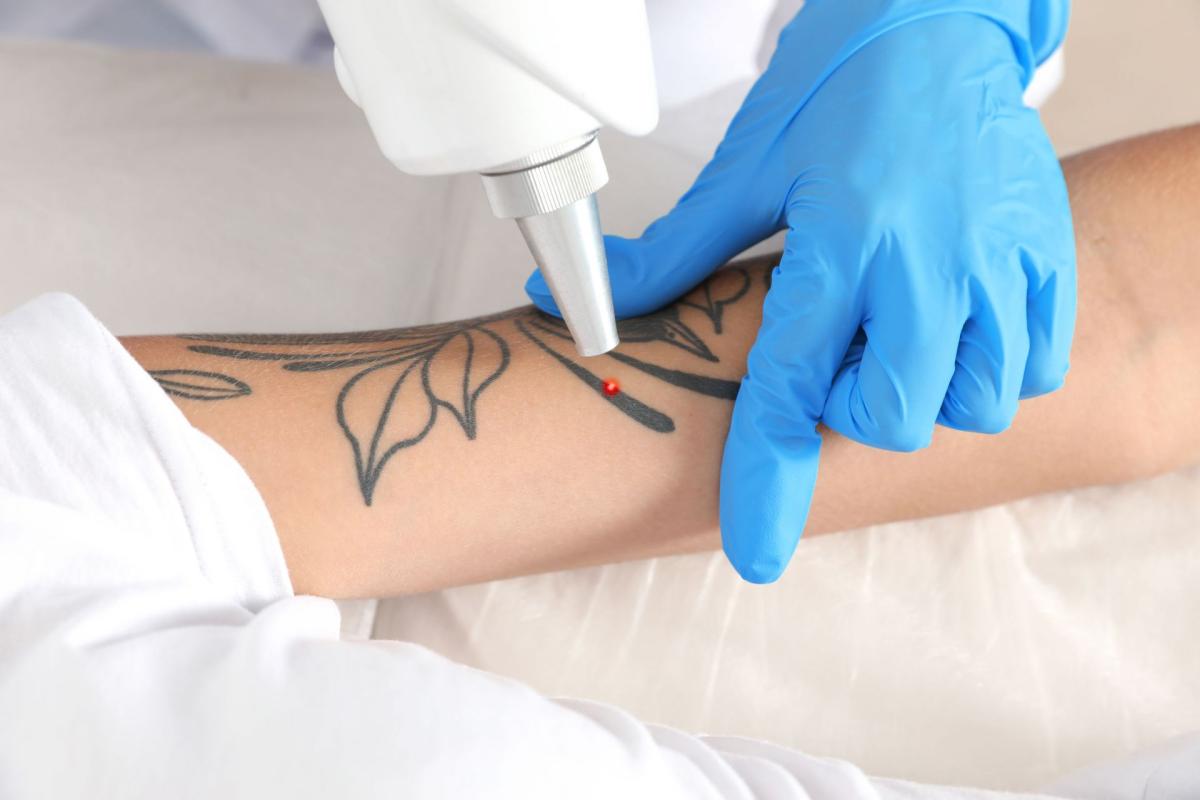
Laser tattoo removal relies on carefully directed energy that targets tattoo pigment within the skin. When the laser beam reaches the ink particles, it delivers concentrated bursts of energy. These bursts are designed to interact specifically with the pigment rather than surrounding skin structures. As the pigment absorbs this energy, it becomes unstable and begins to separate into smaller fragments that the body can gradually process.
How Tattoo Pigments Respond to Laser Light
Different tattoo pigments react to laser light in unique ways because each color absorbs light at different wavelengths. The interaction between laser energy and pigment determines how effectively the ink particles are disrupted. Darker pigments tend to absorb more laser energy, while lighter shades may react differently. Because of this variation, tattoo removal technologies are often designed to address a range of pigment types present in tattoos.
Why the Skin Surrounding the Tattoo Stays Protected
One of the most important aspects of laser tattoo removal is the ability to focus energy precisely on the pigment without causing major disruption to nearby skin structures. Modern laser systems are designed to interact with ink particles specifically, allowing surrounding tissue to remain largely unaffected. This selective interaction is why laser technology is widely used for tattoo removal and other skin treatments involving targeted pigment.
Key Factors That Influence Laser Interaction with Ink
- Pigment density influences how much laser energy is absorbed within the tattooed area.
- Ink composition affects how pigments respond to laser exposure.
- Tattoo depth determines how easily laser energy reaches the pigment particles.
- Skin tone variations may influence how light interacts with the skin and pigment.
- Tattoo layering can change the distribution of pigment within the skin.
The Body’s Natural Role in Clearing Broken Ink
Once tattoo pigments are disrupted by laser energy, the body begins handling the fragmented particles. The immune system gradually recognizes and processes these tiny pigment fragments as foreign material. Specialized cells within the body assist in transporting these particles away from the tattooed area over time. This natural biological response plays a key role in how the skin gradually becomes clearer after the pigment has been broken down.
Why Multiple Ink Colors React Differently
Color variation within tattoos can influence how pigments interact with laser energy. Each shade reflects and absorbs light differently, which affects how effectively the pigment responds. Dark inks typically absorb laser energy more efficiently, while lighter shades may require different wavelengths to achieve a similar interaction. This variation is why laser technologies are developed with multiple wavelength capabilities to address a wide spectrum of tattoo pigments.
Common Characteristics of Tattoo Ink That Affect Removal
- Particle size differences affect how easily pigment fragments break apart.
- Chemical composition determines how ink responds to different light wavelengths.
- Color saturation influences the visibility and density of pigment.
- Age of the tattoo can change the distribution of pigment within the skin.
- Layered tattoos may contain pigments from multiple tattoo sessions.
How Laser Technology Targets Pigment Without Damaging Skin
Laser tattoo removal technology focuses on delivering energy in extremely short bursts. These bursts allow the energy to interact primarily with the tattoo pigment rather than surrounding skin cells. Because the energy is absorbed mainly by the ink particles, nearby tissue experiences minimal disruption. This precise targeting is one reason laser technology is widely used in dermatology for pigment-focused treatments.
Key Characteristics of Modern Tattoo Removal Lasers
- Targeted energy delivery helps concentrate light on tattoo pigment.
- Adjustable wavelengths allow interaction with multiple ink colors.
- Precision technology helps minimize unnecessary skin exposure.
- Short pulse durations focus energy quickly on pigment particles.
- Controlled energy output allows practitioners to tailor treatments for different tattoos.
Final Thoughts
Laser tattoo removal works by directing focused light energy toward tattoo pigments embedded beneath the skin. This energy interacts with the ink particles, causing them to break into smaller fragments that the body can gradually process. Through precise targeting and controlled energy delivery, the method addresses tattoo pigment while maintaining the surrounding skin structure. Understanding this process helps explain why laser technology has become a widely recognized option for individuals exploring tattoo removal solutions.