How Does Microblading Fit Into Cosmetic Dermatology?

How does microblading fit into cosmetic dermatology? This question is increasingly common as aesthetic treatments become more refined and results-driven. In thriving beauty hubs like Microblading in Dubai, demand has grown among individuals seeking natural-looking enhancements that align with dermatological principles. Leading aesthetic providers such as Dynamic Life Clinics often include microblading as part of a broader cosmetic dermatology portfolio, reflecting how closely this technique connects with skin science, facial harmony, and long-term aesthetic planning.
Understanding Microblading from a Dermatological Perspective
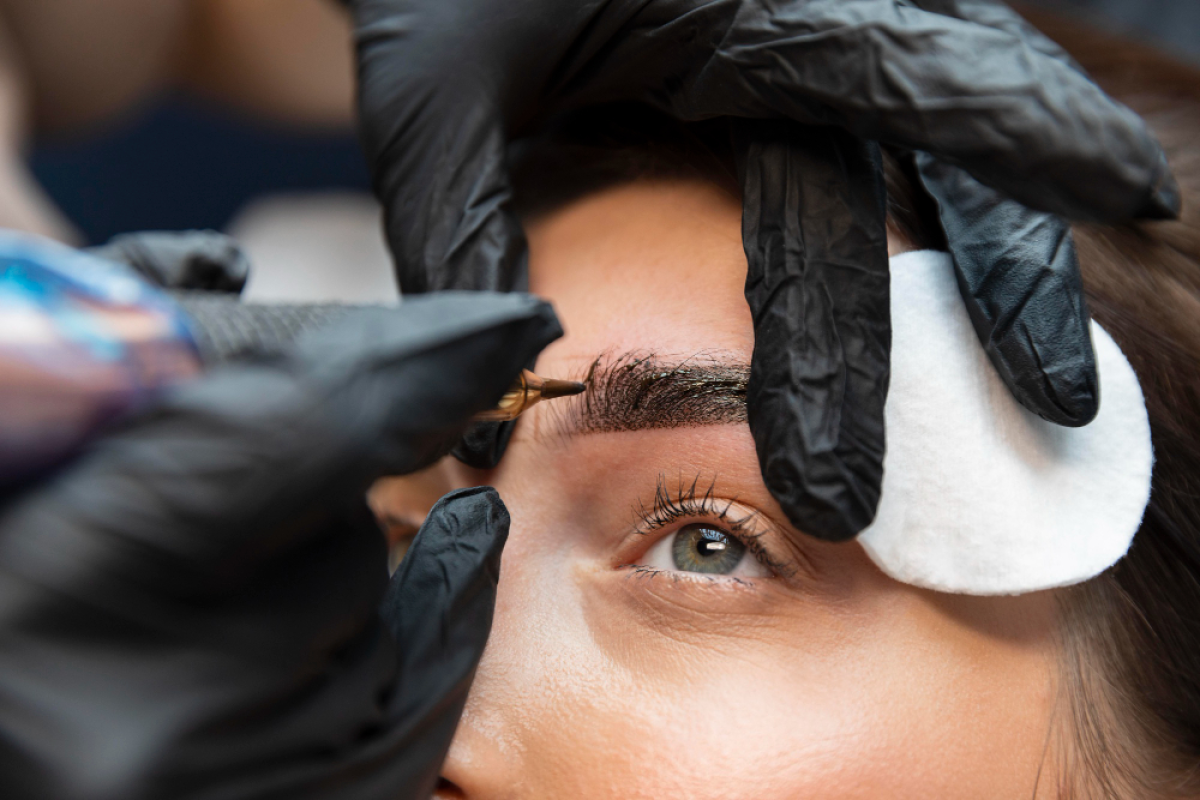
Microblading is a semi-permanent cosmetic procedure designed to enhance the appearance of eyebrows by depositing pigment into the superficial layers of the skin using fine, hair-like strokes. Unlike traditional tattooing, it is performed at a more controlled depth and uses specialized pigments formulated for facial aesthetics.
From a cosmetic dermatology standpoint, microblading involves:
- Careful assessment of skin type and condition
- Consideration of pigment compatibility
- Precision in placement to maintain skin integrity
- Attention to healing response and aftercare
Cosmetic dermatology focuses on enhancing skin appearance through evidence-based treatments, and microblading aligns with this goal by combining artistic technique with skin knowledge.
The Role of Skin Science in Microblading
Cosmetic dermatology is rooted in understanding how skin behaves under various treatments. Microblading requires familiarity with:
- Epidermal structure
- Skin thickness variations across the face
- Oil production levels
- Sensitivity and healing patterns
In humid climates like Dubai, skin can be more prone to oiliness or sensitivity due to environmental factors. Professionals offering Microblading in Dubai must tailor pigment choice and stroke technique according to these variables. Oily skin, for example, may require adjusted patterns to maintain crisp results over time.
This dermatology-informed approach ensures the procedure supports skin health rather than compromising it.
Microblading as a Complement to Other Cosmetic Dermatology Treatments
Microblading does not exist in isolation. It often complements other non-invasive aesthetic procedures that aim to create facial balance and harmony.
Commonly paired treatments include:
- Skin rejuvenation therapies
- Laser-based pigmentation correction
- Medical-grade facials
- Brow-area skin resurfacing
Cosmetic dermatology emphasizes proportional aesthetics. Well-defined brows frame the face and enhance symmetry, working alongside clear, healthy skin to produce a refined appearance. When integrated thoughtfully into a treatment plan, microblading contributes to a cohesive and natural result.
Safety Standards and Professional Expertise
One of the defining characteristics of cosmetic dermatology is its commitment to safety, hygiene, and regulated practices. Microblading performed within a dermatology-focused environment follows structured protocols such as:
- Skin assessment and medical history review
- Patch testing for pigment sensitivity
- Sterile, single-use instruments
- Clear aftercare instructions
Adhering to these standards reduces the risk of infection, allergic reactions, or uneven pigment retention. In a city like Dubai, where aesthetic procedures are highly regulated, patients often seek providers who operate within recognized medical or dermatology frameworks to ensure safe outcomes.
This alignment with medical-grade standards strengthens microblading’s position within cosmetic dermatology rather than placing it purely in the beauty category.
Customization and Facial Analysis
Cosmetic dermatology relies heavily on personalized treatment planning. Microblading follows the same philosophy. Rather than applying a one-size-fits-all brow shape, professionals assess:
- Facial structure
- Natural brow growth pattern
- Skin tone and undertone
- Age-related changes
The goal is subtle enhancement rather than dramatic alteration. Dermatology-based aesthetic planning considers long-term facial changes and how pigment will soften over time. This forward-thinking approach helps maintain natural results even as trends evolve.
For residents seeking Microblading in Dubai, customization is especially important due to the diverse population and wide range of skin tones in the region.
Addressing Common Skin Concerns
Microblading also plays a corrective role in cosmetic dermatology. It can help address concerns such as:
- Sparse or thinning brows
- Hair loss due to overplucking
- Patchiness from minor scarring
- Age-related brow fading
While it is not a medical treatment for hair loss conditions, it provides a cosmetic solution that improves confidence and facial definition. Cosmetic dermatology often focuses on visible improvements that support psychological well-being alongside physical appearance.
Proper evaluation ensures that the skin in the brow area is suitable for treatment and free from active infections, inflammation, or dermatological conditions that could affect healing.
Longevity, Maintenance, and Skin Health
Because microblading is semi-permanent, it gradually fades as the skin naturally renews itself. Cosmetic dermatology principles emphasize realistic expectations and responsible maintenance.
Factors influencing longevity include:
- Skin type (oily skin may fade faster)
- Sun exposure
- Skincare products used around the brow area
- Individual healing response
Dermatology-informed aftercare typically advises gentle cleansing, sun protection, and avoidance of aggressive exfoliation near the brows during the healing phase. Maintaining overall skin health supports better pigment retention and smoother fading over time.
Why Microblading Is Considered Part of Modern Aesthetic Medicine
The boundaries between beauty services and medical aesthetics have evolved. Microblading fits into cosmetic dermatology because it requires:
- Technical understanding of skin anatomy
- Strict hygiene standards
- Personalized treatment planning
- Risk assessment and management
It enhances facial aesthetics in a controlled, clinically informed setting. As patients in Dubai increasingly seek treatments that are both artistic and medically grounded, microblading has secured its place within comprehensive aesthetic care.
Rather than being viewed solely as a cosmetic trend, it is now recognized as a structured procedure supported by dermatological insight.
Conclusion
Microblading fits into cosmetic dermatology by combining artistic precision with skin science, safety protocols, and individualized treatment planning. In aesthetic-focused cities like Dubai, where patients value expertise and regulated care, Microblading in Dubai reflects this integration of beauty and dermatology. By aligning with established medical standards and emphasizing skin health, microblading has become a respected component of modern cosmetic dermatology, offering natural-looking brow enhancement within a professional and clinically guided framework.