How Does Precision Engineering Apply To Robotic Hair Transplants?

Hair restoration has evolved dramatically with the introduction of robotics and advanced automation. Precision engineering in robotic hair transplants is transforming how surgeons perform follicle extraction and placement with greater accuracy and consistency. In modern aesthetic medicine, technologies used in Robotic Hair Transplant in Dubai clinics reflect a strong integration of robotics, artificial intelligence, and micro-engineering. Facilities such as Dynamic Clinic in Dubai highlight how advanced robotic systems are shaping the next generation of hair restoration procedures.
Understanding Precision Engineering in Medical Technology
Precision engineering refers to the design and manufacturing of extremely accurate mechanical systems capable of performing delicate tasks at microscopic levels. In the field of robotic hair restoration, this engineering discipline ensures that devices can identify, isolate, and extract hair follicles without damaging surrounding tissue.
Hair follicles are extremely small biological structures, which means even minor deviations during extraction can affect graft survival. Precision-based robotic systems rely on sensors, imaging technology, and algorithms to operate within fractions of a millimeter. This level of accuracy significantly enhances the reliability of follicular unit extraction techniques commonly used in advanced clinics.
Medical robotics built with precision engineering principles focus on:
High-resolution imaging for follicle identification
Micro-movement robotic arms for controlled extraction
Intelligent software algorithms for graft selection
Consistent depth and angle calibration
These components work together to minimize human error and maintain uniformity during the procedure.
Role of Artificial Intelligence in Robotic Hair Transplants
Artificial intelligence plays a crucial role in robotic hair restoration systems. Advanced algorithms analyze scalp images to identify healthy follicular units and determine the best candidates for extraction.
Instead of relying entirely on manual evaluation, AI-guided systems scan thousands of follicles in seconds. The software distinguishes between single, double, or multiple-hair grafts and selects them based on the treatment plan. This analytical capability allows robotic systems to assist practitioners in preserving donor density and achieving natural hair patterns.
Key AI functions within robotic hair transplant technology include:
Follicle detection and classification
Hair density mapping
Automated graft selection
Real-time procedural adjustments
The integration of AI with precision engineering allows robotic systems to perform repetitive tasks with high consistency.
Microscopic Accuracy in Follicle Extraction
One of the most technically demanding stages of a hair transplant is follicular unit extraction (FUE). Each graft must be removed without damaging the root structure or surrounding scalp tissue. Precision engineering enables robotic instruments to operate with microscopic accuracy during this stage.
Robotic arms use advanced optical guidance systems to calculate the exact angle and depth of each follicle. These measurements are essential because hair follicles naturally grow at different angles across the scalp. Maintaining this angle during extraction helps preserve graft integrity and improves overall results.
Engineering advancements also allow robotic systems to adjust in real time if movement or resistance is detected. This level of control reduces the risk of transection, a condition where hair follicles are accidentally cut during extraction.
Consistency and Standardization in Procedures
Human fatigue can sometimes affect repetitive surgical tasks, especially in procedures that involve thousands of grafts. Robotic systems powered by precision engineering help maintain consistency throughout the process.
Robotic devices are designed to perform repetitive actions with identical movements each time. This consistency allows practitioners to maintain high procedural standards regardless of the number of grafts being extracted.
Benefits of robotic consistency include:
Uniform follicle harvesting
Stable extraction angles
Reduced variability in graft quality
Improved procedural efficiency
Consistency plays a critical role in achieving natural hair distribution and balanced density across the treated area.
Advanced Imaging and Scalp Mapping
Precision engineering also contributes to advanced imaging technologies used in robotic hair restoration. High-definition cameras and digital mapping tools allow practitioners to analyze the scalp in extraordinary detail.
These imaging systems create a digital map of the donor and recipient areas. The map helps determine:
Hair density variations
Follicle direction and growth patterns
Optimal extraction zones
Ideal placement locations
The data collected through scalp mapping allows robotic systems to assist practitioners in planning the procedure with greater precision.
Natural Hairline Design with Robotic Assistance
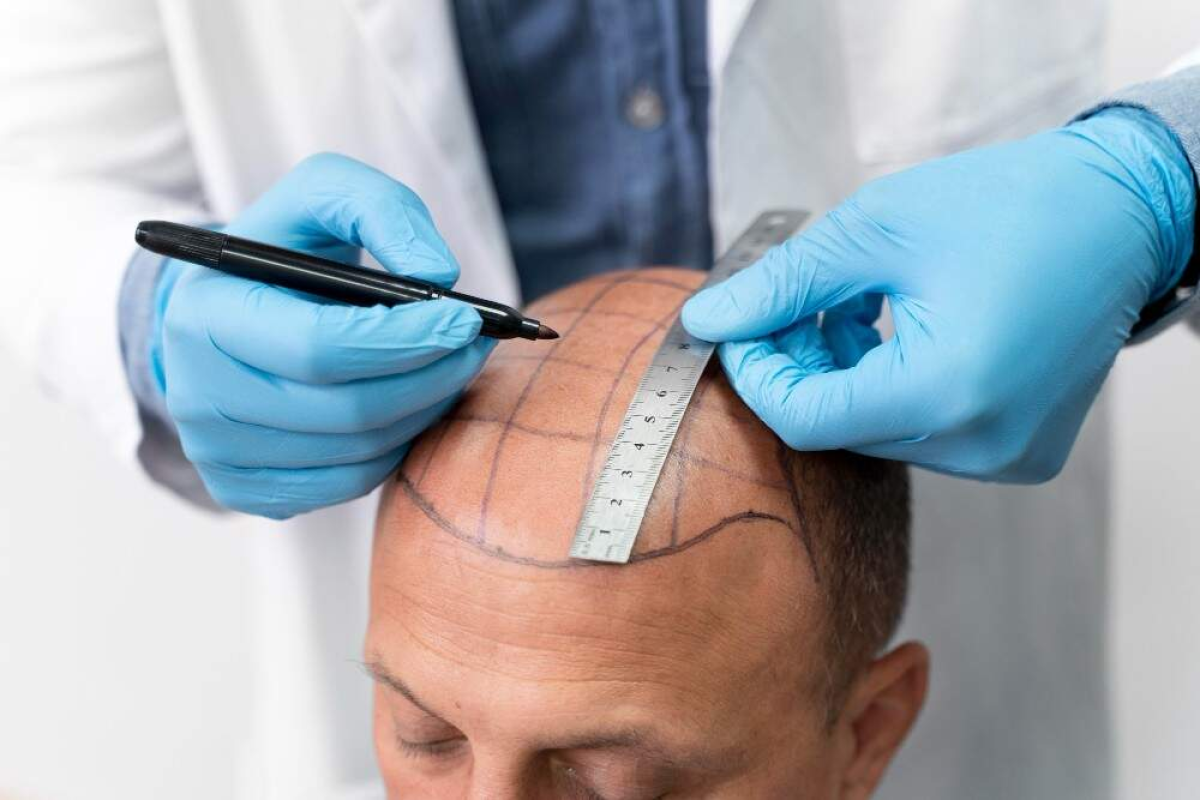
Creating a natural hairline is one of the most important aspects of hair transplantation. Precision engineering helps robotic systems support practitioners in designing hairlines that mimic natural growth patterns.
Hairlines require careful placement of single-hair grafts in the front region and denser grafts further back. Robotic systems analyze follicle characteristics and assist in selecting the most appropriate graft types for each section.
This technology supports a more refined and natural appearance by helping maintain:
Proper hairline symmetry
Natural growth direction
Balanced follicle distribution
The ability to carefully categorize grafts improves the artistic and technical aspects of hair restoration procedures.
Reduced Tissue Trauma Through Engineering Precision
Another advantage of robotic hair transplantation lies in minimizing tissue trauma. Precision-engineered instruments are designed to interact gently with scalp tissue while maintaining surgical accuracy.
Traditional manual techniques rely heavily on practitioner steadiness and endurance, while robotic devices maintain consistent motion and controlled force. This approach can help reduce unnecessary pressure or accidental tissue disruption during extraction.
Engineering improvements focus on:
Ultra-fine punch tools
Controlled rotational motion
Smart resistance detection
Precise depth control
These factors contribute to a smoother extraction process and support graft survival.
Technological Innovation in Dubai’s Hair Restoration Industry
Dubai has become a global hub for medical innovation and aesthetic technology. The adoption of robotic systems in hair restoration reflects the region’s commitment to advanced healthcare solutions.
Clinics offering robotic hair restoration in Dubai frequently integrate the latest developments in precision engineering and artificial intelligence. These technologies align with the city's reputation for modern medical infrastructure and high clinical standards.
The demand for robotic procedures continues to grow as patients seek advanced solutions that combine science, engineering, and aesthetics.
Advantages of Precision-Driven Robotic Hair Transplants
The application of precision engineering in robotic hair transplantation provides several technical advantages for both practitioners and patients.
Notable benefits include:
Accurate follicle extraction at microscopic levels
Improved graft survival rates through careful handling
Data-driven procedural planning
Enhanced consistency throughout the procedure
Reduced dependence on repetitive manual tasks
These advantages demonstrate how engineering innovation is reshaping hair restoration practices.
Conclusion
Precision engineering plays a central role in the advancement of robotic hair transplant technology. Through the integration of artificial intelligence, advanced imaging systems, and micro-mechanical robotics, modern procedures are achieving levels of accuracy that were previously difficult to maintain consistently. Robotic hair transplant systems continue to evolve as medical engineers refine imaging capabilities, follicle detection algorithms, and robotic control mechanisms. As innovation continues, precision engineering will remain a key driver behind the future of robotic hair restoration and the growing adoption of advanced procedures in global medical centers.