How Does Scar Removal Impact Skin Integrity?

How Does Scar Removal Impact Skin Integrity? is an important question for individuals seeking aesthetic skin improvement and long-term skin health. Scar Removal in Dubai has become increasingly popular due to advanced dermatological procedures and growing awareness of skin rehabilitation techniques. Many individuals also seek professional guidance from trusted aesthetic providers such as Dynamic Clinic in Dubai, especially when considering how scar revision may influence the natural structure and resilience of the skin.
Understanding Skin Integrity and Its Biological Balance
Skin integrity refers to the skin’s ability to function as a protective barrier while maintaining elasticity, hydration, and structural strength. It is composed of multiple layers, including the epidermis and dermis, which work together to defend against environmental damage and support regeneration.
When scars develop, this natural balance is disrupted. Collagen fibers become misaligned, and the skin may lose uniform texture or elasticity. In some cases, scar tissue can feel tighter, thicker, or even weaker than surrounding healthy skin, depending on the type and depth of injury.
Maintaining skin integrity is not only about appearance but also about ensuring that the skin continues to perform its protective and regenerative roles effectively.
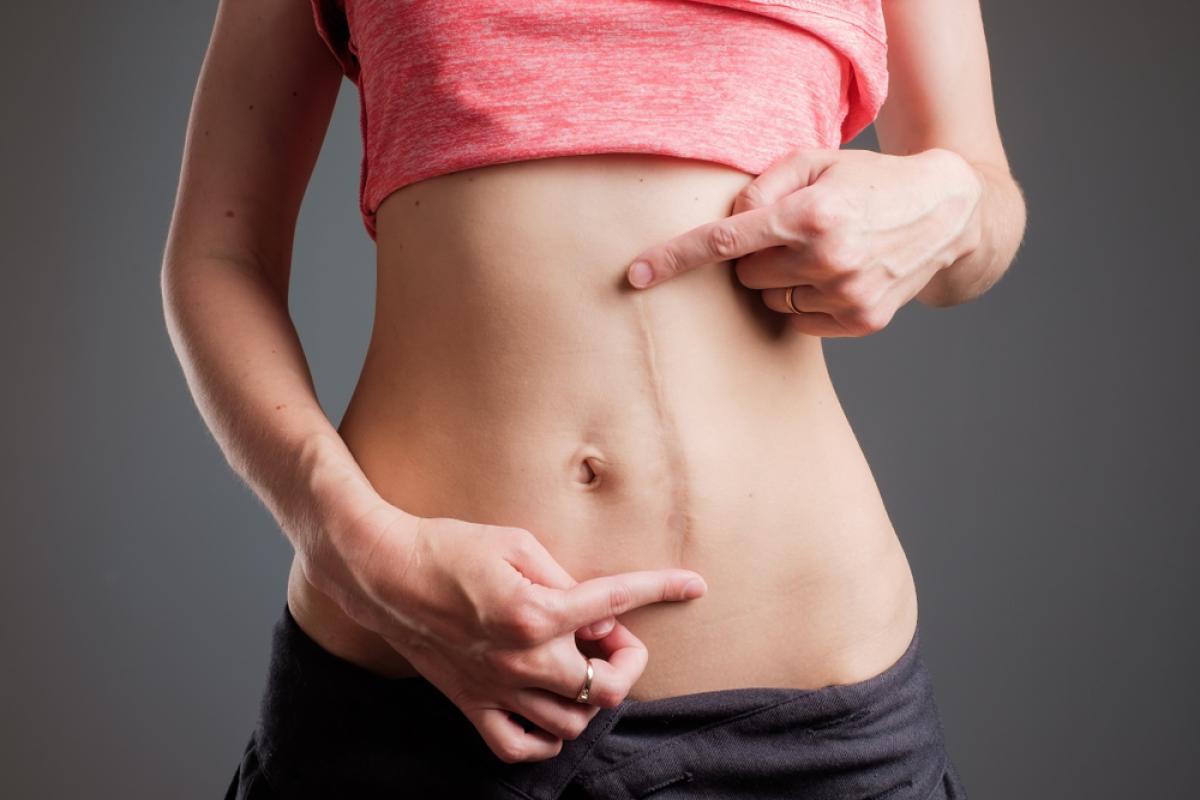
How Scarring Alters Skin Structure
Scarring occurs as part of the body’s natural healing process, but the repaired tissue is biologically different from normal skin. Instead of forming a perfectly organized collagen network, the body produces denser, less flexible fibrous tissue.
Common structural changes include:
Reduced elasticity in the affected area
Irregular collagen alignment
Changes in pigmentation or tone
Thickened or atrophic skin texture
Altered sensitivity in the scar region
These changes may impact both the visual appearance and the functional behavior of the skin, particularly in areas exposed to frequent movement or sunlight.
Scar Removal Techniques and Their Role in Skin Remodeling
Modern dermatological approaches aim not just to remove visible scars but to remodel the skin at a deeper level. These treatments focus on encouraging controlled regeneration rather than simply erasing the scar.
Common approaches include:
Laser resurfacing techniques to stimulate collagen production
Microneedling to encourage natural healing responses
Chemical resurfacing methods for texture refinement
Surgical revision for deep or complex scars
Each method works differently, but the primary goal remains consistent: to restore smoother texture while preserving or improving underlying skin strength and resilience.
Impact of Scar Removal on Skin Integrity
Scar removal procedures influence skin integrity in both structural and biological ways. When performed correctly, these treatments can significantly improve skin function and appearance by encouraging the formation of healthier collagen fibers.
Key impacts include:
Improved collagen organization: Rebuilding stronger and more uniform tissue
Enhanced elasticity: Restoring flexibility to previously rigid scar areas
Better skin tone balance: Reducing pigmentation irregularities
Refined texture: Smoothing uneven or raised scar surfaces
Strengthened regeneration ability: Supporting long-term skin recovery processes
However, the outcome depends on individual skin type, scar depth, and the technique used. Over-aggressive treatment can temporarily weaken the skin barrier, which is why controlled, medically guided procedures are essential.
Factors That Influence Skin Recovery After Scar Treatment
Skin response after scar removal varies from person to person. Several biological and environmental factors influence how well skin integrity is maintained during the healing phase.
Important factors include:
Skin sensitivity and natural healing rate
Age and collagen production levels
Type and age of the scar
Sun exposure during recovery
Post-treatment skincare habits
A structured recovery approach helps ensure that the skin rebuilds itself in a stable and healthy manner without compromising its protective function.
Supporting Skin Integrity After Scar Removal
Post-treatment care plays a crucial role in preserving results and maintaining skin strength. The skin remains in a regenerative phase after scar removal procedures, making it more responsive to both positive and negative external factors.
Recommended supportive practices include:
Keeping the skin well-hydrated to support barrier function
Avoiding excessive sun exposure to prevent pigmentation changes
Using gentle skincare products to reduce irritation risk
Following professional aftercare instructions consistently
Allowing adequate time between advanced treatment sessions
These steps help ensure that the newly formed skin remains balanced, resilient, and structurally sound.
Conclusion
Scar removal has a meaningful impact on skin integrity by influencing collagen structure, elasticity, and overall skin resilience. When approached with appropriate techniques and careful aftercare, it supports the formation of healthier skin architecture rather than simply addressing surface irregularities. In a region like Dubai, where advanced aesthetic care is widely sought, understanding the biological effects of scar treatment helps individuals make informed decisions about long-term skin health and regeneration.