How Does Smp Differ From Hair Transplant Surgery?

Hair loss is a common concern for both men and women, and over the years, multiple solutions have been developed to restore a youthful appearance and boost confidence. Two of the most popular options are hair transplant surgery and scalp micropigmentation. While both address hair loss, they are fundamentally different in approach, procedure, and outcomes. One of the leading options in non-surgical hair restoration is Scalp Micropigmentation in Dubai, which offers a visual solution to thinning hair by replicating hair follicles with specialized pigments. Understanding the differences between SMP and hair transplant surgery can help individuals choose the best treatment for their needs.
What is Hair Transplant Surgery?
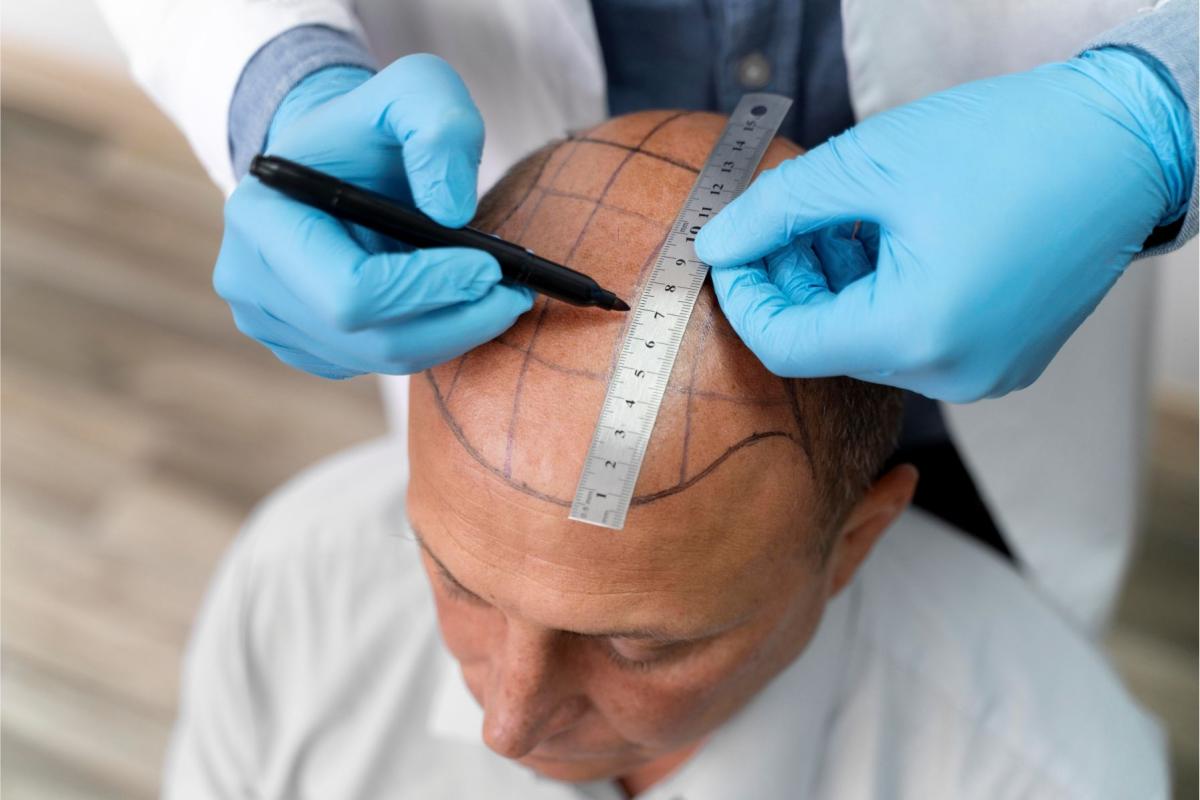
Hair transplant surgery is a surgical procedure in which hair follicles are removed from a donor area—usually the back or sides of the head—and transplanted to areas with thinning or no hair. There are two main techniques: Follicular Unit Transplantation (FUT) and Follicular Unit Extraction (FUE). FUT involves removing a strip of scalp and dissecting it into individual grafts, whereas FUE extracts follicles individually for transplantation. Hair transplants rely on the body’s natural hair growth process, meaning that transplanted follicles will grow hair over time. While the results can be permanent, surgery involves recovery, potential scarring, and a risk of complications such as infection or uneven hair growth.
What is Scalp Micropigmentation?
Scalp micropigmentation is a non-surgical cosmetic procedure that involves placing tiny dots of pigment into the scalp to mimic the appearance of natural hair follicles. Unlike hair transplants, SMP does not create actual hair growth but provides the visual illusion of density and fullness.
SMP can be customized to match hair color, style, and the client’s facial structure. It is effective for creating hairlines, enhancing density, concealing thinning areas, and camouflaging scars from previous procedures or injuries. Multiple sessions are typically required to achieve optimal results, and touch-ups help maintain the longevity of the pigmentation.
Key Differences Between SMP and Hair Transplants
Method of Treatment
The most fundamental difference is the method of treatment. Hair transplants involve moving living hair follicles surgically, while SMP uses pigments to create the appearance of hair without stimulating growth. This makes SMP non-invasive and minimally uncomfortable, while transplants require surgery, anesthesia, and recovery time.
Immediate Results vs. Gradual Growth
SMP delivers immediate visual results. Once the procedure is complete, clients notice the illusion of density and a defined hairline. Hair transplants, on the other hand, require time for transplanted follicles to grow and produce visible hair. Full results may take six to twelve months to appear, which can be a disadvantage for those seeking instant improvement.
Suitability for Hair Loss Patterns
Hair transplants are most effective for individuals with sufficient donor hair. People with advanced hair loss or limited donor areas may not be ideal candidates. SMP, however, is suitable for almost all stages of hair loss, including extensive baldness, as it does not depend on donor hair. This makes it a versatile solution for a wide range of hair loss conditions.
Longevity and Maintenance
Hair transplants provide permanent hair growth, but transplanted hair still requires regular care and can thin over time. SMP results are long-lasting, typically four to eight years, and gradually fade rather than growing out. Maintenance sessions help keep the results sharp and realistic.
Recovery
Surgical hair transplants carry risks, including scarring, infection, and potential graft failure. Recovery can take days to weeks, and strenuous activity must be limited during the healing period. SMP is non-surgical, with minimal discomfort, no downtime, and very low risk of complications. Clients can return to daily activities immediately after treatment.
Advantages of SMP Over Hair Transplants
SMP is particularly appealing for individuals who:
Want immediate visual results without waiting for hair to grow
Have advanced hair loss and limited donor areas
Prefer a non-invasive procedure with minimal downtime
Wish to camouflage scars from previous surgeries or injuries
Desire a highly customizable hairline and density
Additionally, SMP can be combined with hair transplant surgery for those who want both real hair growth and enhanced visual density, providing a complete and natural-looking solution.
SMP in Dubai
In Dubai, where appearance and personal grooming are highly valued, SMP has become a preferred alternative or complement to hair transplant surgery. The combination of quick results, natural appearance, and minimal recovery makes it an attractive choice for busy professionals and individuals seeking confidence-boosting hair restoration solutions. For those considering scalp micropigmentation, seeking the Best Scalp Micropigmentation Dubai providers ensures that the procedure is performed with precision, customized to the individual, and delivers natural, long-lasting results.
Conclusion
While hair transplants and scalp micropigmentation both aim to address hair loss, they do so in very different ways. Hair transplants involve surgical relocation of follicles for actual hair growth, whereas SMP creates the visual illusion of hair density through precise pigmentation. SMP offers immediate results, minimal downtime, and versatility for various hair loss patterns, making it a highly appealing option for those seeking non-surgical solutions. By consulting experienced providers, individuals can choose the most effective treatment and enjoy natural, confidence-boosting results.