How Does Ultrasound Cavitation Interact With Biological Cells?

How Does Ultrasound Cavitation Interact With Biological Cells? This question is central to understanding why this technology is widely discussed in modern aesthetic and wellness research. Ultrasound Cavitation in Dubai has gained attention for its scientific approach to body contouring, and platforms such as Dynamic Life Clinic often reference the cellular mechanisms behind it in an educational, advertorial context.
Understanding Ultrasound Cavitation at a Cellular Level
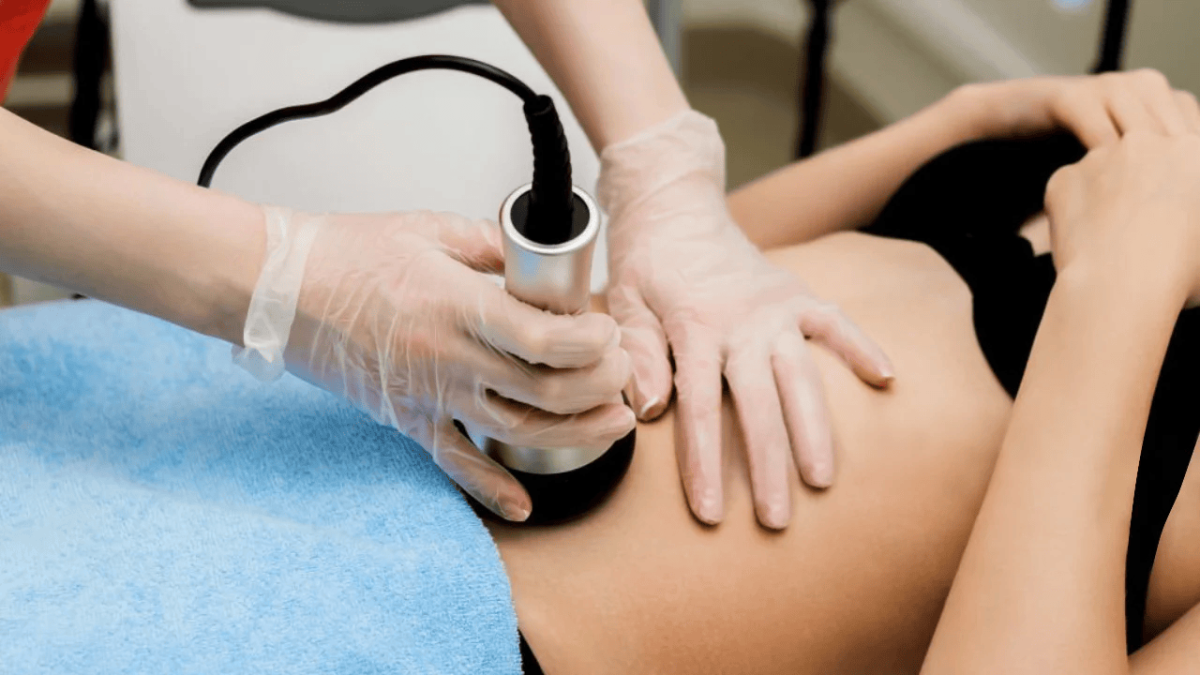
Ultrasound cavitation refers to the use of low-frequency ultrasound waves that travel through soft tissues. These waves create microscopic bubbles in the interstitial fluid surrounding cells. The process is mechanical rather than chemical, which is why it is often described as non-invasive and technology-driven. The interaction primarily occurs in tissues with higher fluid content, allowing sound waves to propagate efficiently.
Formation of Microbubbles in Biological Tissue
When ultrasound waves pass through biological tissue, they generate alternating high-pressure and low-pressure cycles. During the low-pressure phase, tiny gas-filled cavities form in the fluid environment around cells. These microbubbles expand and contract in response to the ultrasound frequency, a phenomenon known as stable cavitation. This controlled bubble activity is essential to how ultrasound cavitation interacts with cellular structures.
Key characteristics of microbubble behavior include:
- Oscillation without damaging surrounding tissues
- Localization within targeted tissue zones
- Dependence on specific ultrasound frequencies
Impact on Cell Membrane Permeability
One of the most studied interactions is the effect of cavitation on cell membranes. The rhythmic expansion and contraction of microbubbles create mechanical stress on nearby cell walls. This stress can temporarily increase membrane permeability, allowing intracellular contents to respond to external forces. In adipose cells, which contain large lipid vacuoles, this mechanical pressure has a more pronounced effect due to their structural composition.
Selective Interaction With Adipose Cells
Biological cells vary in density, elasticity, and structural integrity. Fat cells are less rigid compared to muscle or connective tissue cells. Ultrasound cavitation targets these differences by affecting cells that are more susceptible to pressure changes. The ultrasound waves do not rely on heat, making the interaction dependent on physical vibration rather than thermal damage.
This selectivity explains why surrounding tissues remain largely unaffected during controlled applications.
Lymphatic and Metabolic Response
After cellular disruption at a microscopic level, the body’s natural systems take over. The contents released from affected cells are processed through normal metabolic pathways. The lymphatic system plays a role in transporting cellular byproducts, while the liver and other organs manage breakdown and elimination. This biological response is gradual and aligned with the body’s existing detoxification mechanisms.
Safety Considerations in Controlled Environments
Scientific discussions around ultrasound cavitation emphasize the importance of regulated frequencies and exposure times. When applied within established parameters, the interaction remains confined to targeted cells. This is why professional environments stress protocol adherence, device calibration, and anatomical understanding, especially in advanced urban markets such as Dubai.
Relevance of Ultrasound Cavitation in Dubai
The interest in Ultrasound Cavitation in Dubai reflects a broader demand for evidence-based, technology-focused aesthetic solutions. The city’s diverse population and advanced wellness sector contribute to ongoing discussions about how such technologies work at a biological level. Educational content that explains cellular interaction helps readers make informed decisions grounded in science rather than trends.
Conclusion
Understanding how ultrasound cavitation interacts with biological cells requires examining mechanical wave behavior, microbubble formation, and cellular response. The process highlights a precise interaction between sound energy and tissue structure, offering insight into why this technology continues to be studied and discussed in modern aesthetic science.