How Effective Is Botox For Severe Hyperhidrosis?

Excessive sweating, medically known as hyperhidrosis, can significantly affect daily life, causing discomfort, embarrassment, and anxiety. For those struggling with severe sweating, treatments that target the root cause rather than just masking symptoms have become increasingly popular. Among these, Botox for Sweat Glands in Dubai has emerged as a leading solution. But how effective is Botox for managing severe hyperhidrosis? Let’s delve deeper into the science, benefits, and what patients can realistically expect.
Understanding Hyperhidrosis and Its Impact
Hyperhidrosis occurs when sweat glands become overactive, producing more sweat than the body needs to regulate temperature. This condition can affect various parts of the body, including the underarms, hands, feet, and even the face. For many, hyperhidrosis is more than a minor inconvenience; it can impact social interactions, professional life, and overall confidence.
Traditional solutions, such as antiperspirants or lifestyle changes, often fail to provide long-term relief for severe cases. This is where targeted medical interventions like Botox come into play.
How Botox Works on Sweat Glands
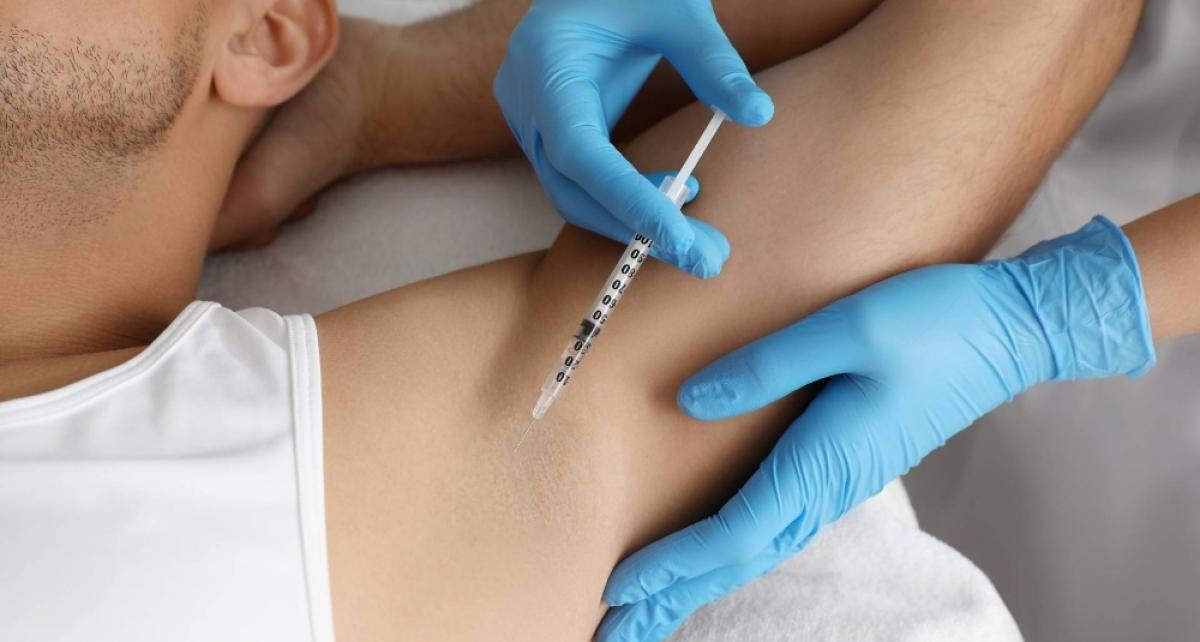
Botox, a neurotoxin derived from Clostridium botulinum, is widely known for its cosmetic applications. However, its medical use in treating hyperhidrosis is both safe and effective. When injected into the skin, Botox blocks the signals from nerves to sweat glands. Without these signals, the sweat glands are temporarily inactive, dramatically reducing sweat production in the treated area.
The mechanism is precise: Botox does not affect the sweat glands themselves but inhibits the chemical communication that triggers overactivity. This targeted approach allows for significant reduction in sweating without interfering with the body’s overall ability to regulate temperature in other areas.
Effectiveness of Botox for Severe Hyperhidrosis
Clinical Evidence and Results
Studies show that Botox injections can reduce sweat production by up to 80–90% in most patients. The effects are typically noticeable within a few days and can last between 4 to 12 months, depending on the individual’s physiology and severity of hyperhidrosis. Patients often report a substantial improvement in their quality of life, noting increased comfort, confidence, and freedom from constantly damp clothing or anxiety-inducing situations.
Areas of Treatment
Botox is most commonly used for underarm hyperhidrosis, but it is also effective for hands, feet, and even facial areas. Each region may require a slightly different technique and dosage to achieve optimal results. Despite its localized action, patients rarely experience systemic side effects, making Botox a preferred option for those seeking a non-invasive solution.
Advantages Beyond Sweat Reduction
One of the key benefits of Botox treatment for hyperhidrosis is that it addresses the problem at its source. Unlike topical solutions or oral medications, which may provide temporary relief, Botox targets the overactive nerve-sweat gland connection. This leads to longer-lasting results and a noticeable improvement in day-to-day activities.
Additionally, Botox treatments are minimally invasive, typically performed in-office, and require little to no downtime. Patients can resume normal activities almost immediately, making it a convenient option for those with busy schedules.
What to Expect During Treatment
During a session, the treatment area is usually cleaned and may be numbed with a topical anesthetic. Botox is then injected using a fine needle into specific areas of the skin where sweat glands are overactive. The procedure typically takes 20 to 30 minutes, depending on the size of the area being treated. While some temporary discomfort or mild swelling may occur, most people find the procedure tolerable.
Considerations and Longevity
While Botox offers impressive results for severe hyperhidrosis, it is important to understand that effects are temporary. Repeat treatments are necessary to maintain sweat reduction over time. Regular follow-ups allow healthcare providers to adjust dosing and injection sites for optimal effectiveness.
Moreover, the treatment is suitable for individuals who have not responded to conventional methods like antiperspirants or oral medications. It is also considered safe for most adults when administered by trained professionals.
Conclusion
For individuals suffering from severe hyperhidrosis, Botox offers a scientifically backed, effective, and minimally invasive solution. By targeting the nerve signals that trigger excessive sweating, patients can experience dramatic improvements in comfort, confidence, and quality of life. Whether addressing underarm sweat, palm sweat, or other affected areas, Botox continues to be a transformative option for those seeking relief.