How Effective Is Keloid Treatment In Stopping Regrowth?

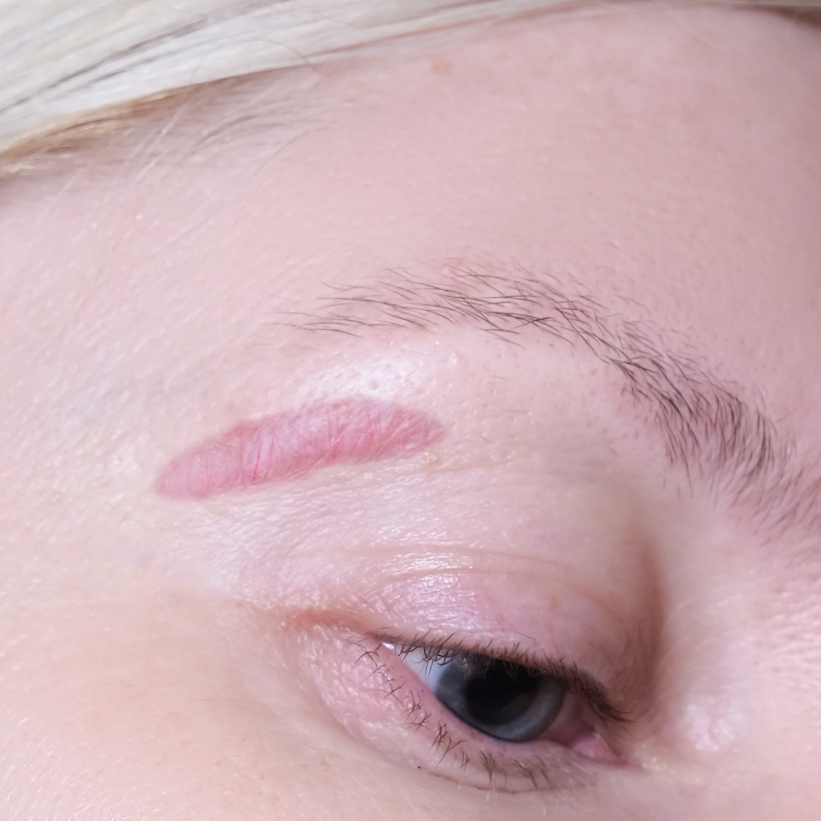
Keloids are thick, raised scars that extend beyond the original wound site. They can develop after injuries, surgeries, burns, or even minor skin trauma. While keloids are not dangerous, they can cause discomfort, itching, and self-consciousness due to their appearance. Effective management is crucial to prevent recurrence and improve skin aesthetics. When it comes to scar management, Keloid Treatment in Dubai plays a vital role in controlling regrowth and restoring normal skin texture. Patients seek advanced therapies that not only reduce the keloid size but also prevent it from returning, ensuring long-term results.
Understanding Keloid Formation
Keloids occur due to excessive collagen deposition during the healing process. Unlike normal scars, keloids:
Extend beyond the original injury boundary
Continue growing over time
Exhibit firmness and reddish or purplish color
Importance of Early Intervention
Prompt attention to keloids is key to controlling their size and preventing recurrence. Early intervention:
Limits collagen overproduction
Reduces the risk of scar thickening
Enhances overall aesthetic outcomes
Modern Keloid Treatment Techniques
Several treatment options are now available that specifically target keloid regrowth. These include:
Intralesional Steroid Injections: Reduce inflammation and collagen buildup.
Laser Therapy: Minimizes redness and flattens raised scars.
Cryotherapy: Freezes the scar tissue, preventing further growth.
Pressure Therapy: Uses compression to control collagen formation.
Role of Expert Dermatologists
The effectiveness of keloid treatment largely depends on the expertise of the dermatologist or plastic surgeon. Skilled professionals:
Accurately assess scar type and progression
Design personalized treatment plans
Utilize advanced techniques to maximize results
Non-Surgical Approaches
Non-invasive treatments are often the first line of defense against keloids. These methods include:
Topical Silicone Sheets: Apply pressure and moisture to flatten scars.
Corticosteroid Creams: Reduce inflammation and itching.
Radiotherapy (Low-dose): Occasionally used post-surgery to prevent recurrence.
Surgical Intervention
In cases where keloids are large, painful, or resistant to non-surgical methods, surgery may be necessary. Surgical removal is:
Conducted by experienced specialists
Often combined with adjunct therapies like steroid injections or pressure dressings
Focused on minimizing recurrence while restoring skin appearance
Combination Therapy for Maximum Effectiveness
Evidence suggests that combining multiple treatment modalities is the most effective way to prevent keloid regrowth. Common combinations include:
Surgery + steroid injections
Laser therapy + silicone sheets
Cryotherapy + pressure therapy
Long-Term Management Strategies
Even after successful treatment, long-term management is essential to prevent keloid regrowth. Key strategies include:
Regular follow-up with dermatologists
Using recommended silicone gels or sheets at home
Avoiding unnecessary trauma to the affected area
Maintaining a skincare routine that supports healing
Patient-Centered Care
A patient-centered approach is vital in keloid management. Specialists consider:
Scar location and size
Skin type and sensitivity
Patient preferences and lifestyle
Psychological and Aesthetic Benefits
Effective keloid treatment provides more than just physical improvements. Benefits include:
Enhanced self-esteem
Improved mobility if keloids restrict joint movement
Reduced discomfort from itching or tightness
A more uniform skin appearance
FAQ’s:
1. Can keloids completely stop growing after treatment?
Yes, with appropriate intervention and consistent follow-up, most keloids can stop growing and flatten over time.
2. How long does it take to see results from keloid treatment?
Results vary by treatment type, but noticeable improvement is often seen within a few weeks to months.
3. Is recurrence common after keloid removal?
Recurrence can happen, which is why combination therapy and long-term management are crucial.
4. Are non-surgical treatments effective for all keloids?
Non-surgical treatments are more effective for smaller keloids; larger scars may require surgical intervention.
5. How skilled are the doctors performing keloid treatments?
Experienced dermatologists and plastic surgeons specializing in scar management ensure precise and highly effective treatment outcomes.
Conclusion
Keloid treatment has evolved significantly, offering multiple approaches to halt regrowth and improve skin aesthetics. Early intervention, expert care, combination therapies, and patient-centered strategies play a pivotal role in achieving long-lasting results. With dedicated specialists and advanced treatment options, keloid scars can be effectively managed, enhancing both appearance and confidence. By following professional advice and maintaining consistent post-treatment care, patients can significantly reduce the risk of recurrence and enjoy smoother, healthier skin.