How Has Therapy For Stress And Anxiety Changed In The Digital Age?

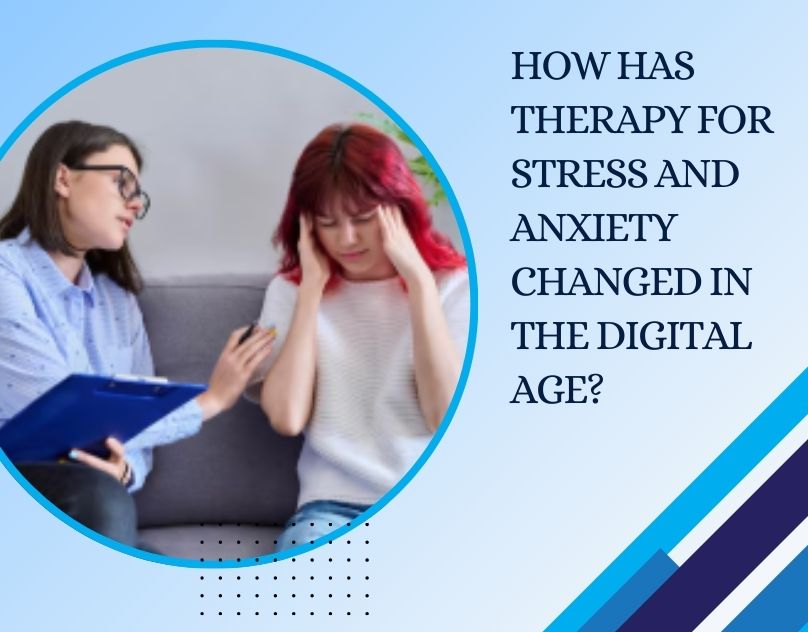
Stress and anxiety have become part of everyday life for many people. Busy schedules, constant notifications, and growing expectations can quietly overwhelm the mind. In the past, seeking help often meant visiting a therapist’s office and committing to fixed weekly sessions. Today, things look very different. With technology shaping how we work, connect, and learn, it has also reshaped therapy for stress and anxiety. So how exactly has mental health support evolved, and what does this mean for someone seeking help today? This blog explores the journey from traditional therapy to modern digital solutions and how these changes have made support more flexible and accessible.
The Traditional Therapy Model: A Starting Point
For decades, therapy followed a familiar structure. A person would meet a trained therapist face to face, usually once a week, in a private clinical setting. This model built trust through human connection, body language, and deep conversation. Many people found comfort in having a dedicated space to talk openly, and traditional therapy for stress and anxiety has helped countless individuals develop coping skills, emotional awareness, and resilience.
However, this approach also came with challenges. Appointments had to fit into working hours. Travel time could be stressful. Some people felt hesitant or judged when walking into a clinic. Others struggled with long waiting lists or limited access to specialists. These practical and emotional barriers created space for innovation, not to replace traditional therapy, but to support it in new ways.
The Digital Shift: A New Frontier for Mental Wellness
The digital age has changed one key idea. Help is no longer limited to a physical room. Mental health support can now reach people wherever they are. With smartphones and reliable internet access, therapy has expanded beyond clinics into homes, workplaces, and even quiet moments during the day.
This shift has reduced stigma for many. Seeking support privately from home can feel safer and more comfortable. Flexibility has also improved. Sessions can fit around daily responsibilities, and resources are often available on demand. As a result, online mental health programs and digital platforms have opened doors for people who might otherwise delay or avoid seeking help.
Key Innovations in Modern Therapy for Stress and Anxiety
Teletherapy and Virtual Sessions
One of the most significant changes is teletherapy. Video calls and phone sessions allow people to connect with qualified therapists without being in the same location. These sessions closely mirror in person therapy, including structured conversations and evidence based techniques. Teletherapy supports continuity of care, especially during travel or busy periods, and has become a trusted form of therapy for stress and anxiety.
On Demand Support and Digital Tools
Mental health apps have become popular companions in daily life. Apps focused on meditation, breathing exercises, mood tracking, or cognitive behavioral therapy techniques offer practical tools for managing stress. They are not designed to replace therapists but to support daily practice. Used regularly, these tools can help users notice patterns, calm the nervous system, and reinforce skills learned in therapy.
Online Mental Health Programs and Guided Courses
Structured online mental health programs take digital support a step further. These programs often focus on specific challenges such as anxiety management or stress reduction. They combine videos, worksheets, reflective exercises, and progress tracking. Many are self paced, allowing people to move at their own comfort level, while others include guidance from professionals. Their interactive nature helps turn learning into action.
AI and Chatbots: The Emerging Role
Artificial intelligence has also entered the mental health space. Chatbots and AI driven tools can offer immediate support, basic coping strategies, or initial screening questions at any time of day. They are especially helpful during moments of distress when human support is not immediately available. However, it is important to understand that these tools are supplements, not replacements, for qualified professionals.
Community and Peer Support Online
Digital platforms have also enabled safe, moderated communities where people can share experiences and support one another. Knowing that others face similar struggles can reduce feelings of isolation. Peer support groups, when well managed, add a valuable human layer to digital care.
Blending the Old with the New: Integrative Care
The most effective modern approach often combines traditional and digital methods. Many therapists now integrate technology into their practice. For example, a therapist might recommend a meditation app for daily stress management or ask a client to use a digital journal between sessions. This blended approach strengthens progress by extending care beyond the therapy hour. Rather than choosing one method over another, integrative care focuses on what best supports the individual.
Choosing Your Path: What to Consider
If you are exploring therapy for stress and anxiety, it helps to pause and reflect on your needs. Consider the severity of your symptoms. Mild to moderate stress may respond well to guided programs or digital tools, while persistent or intense anxiety often benefits from direct professional support. Think about your learning style. Do you prefer self paced resources or real time conversations? Human connection, privacy, and data security are also important factors when using digital platforms. For ongoing or worsening symptoms, seeking a qualified mental health professional is always recommended.
A More Accessible Future for Mental Health
The digital age has transformed mental health care into something more flexible, diverse, and approachable. Therapy for stress and anxiety is no longer limited by location or rigid schedules. With options ranging from teletherapy to online mental health programs and supportive apps, people have more choices than ever before. While the tools have evolved, the goal remains the same: improving well being and helping people feel more balanced and supported. Exploring these options with openness and care can be a meaningful step toward a healthier mind.