How Is Bite Position Managed With Lingual Braces?

Orthodontic treatments have evolved dramatically over the years, offering patients both aesthetic and functional benefits. Among these options, Invisible Lingual Braces in Dubai have gained popularity due to their discreet appearance and ability to correct complex dental issues. One of the key aspects of orthodontic treatment is bite alignment, and managing bite position with lingual braces requires specialized techniques. In this article, we explore how bite position is effectively managed with lingual braces and why they are an excellent choice for individuals seeking a subtle solution for teeth straightening.
Understanding Bite Position
Bite position, also referred to as occlusion, is the way your upper and lower teeth come together when you close your mouth. A proper bite ensures efficient chewing, prevents jaw discomfort, and contributes to overall oral health. Misaligned bites, such as overbite, underbite, crossbite, or open bite, can lead to issues like tooth wear, gum problems, and even temporomandibular joint (TMJ) disorders. Correcting these issues requires precise orthodontic interventions, which is where lingual braces offer unique advantages.
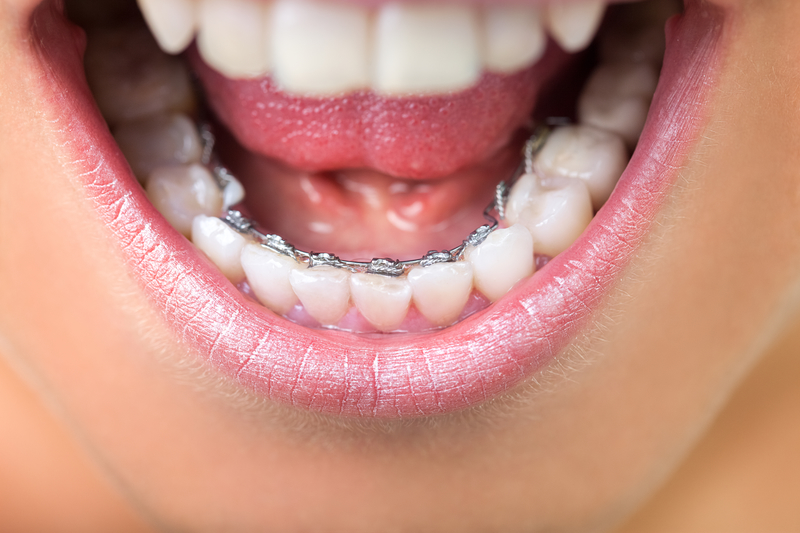
What Are Lingual Braces?
Lingual braces are similar to traditional braces in terms of function but are placed on the inner surfaces of the teeth, making them virtually invisible from the outside. This design appeals to adults and teens who are conscious of aesthetics while undergoing orthodontic treatment. Despite their discreet appearance, lingual braces are fully capable of addressing complex bite issues that impact oral health.
How Bite Position Is Managed With Lingual Braces
Managing bite position with lingual braces involves careful planning, customized brackets, and precise adjustments. Here are the key steps involved:
1. Customized Treatment Planning
Every patient’s dental structure is unique, so treatment begins with a comprehensive evaluation. Orthodontists take detailed impressions or digital scans of the teeth, which are then used to create a customized treatment plan. This plan identifies bite irregularities and sets clear objectives for alignment. With lingual braces, customization is especially important because the brackets must fit the inner surfaces of the teeth, which vary more than the outer surfaces.
2. Precision Bracket Placement
Unlike traditional braces that attach to the front of the teeth, lingual braces require precise placement on the lingual (tongue-facing) side. Proper positioning ensures that the force applied to each tooth is directed accurately, gradually guiding teeth into their ideal positions. Correct bracket placement is essential for correcting bite issues, as even minor deviations can impact how the upper and lower teeth align.
3. Controlled Tooth Movement
Lingual braces utilize wires and brackets to apply gentle, continuous pressure to teeth, moving them into proper alignment over time. The orthodontist may adjust the wires periodically to control vertical, horizontal, and rotational movement, which is crucial for correcting bite discrepancies. This process helps achieve a balanced occlusion, ensuring that the upper and lower teeth fit together seamlessly.
4. Use of Auxiliaries
In some cases, lingual braces are complemented by auxiliary tools such as elastics (rubber bands), springs, or temporary anchorage devices (TADs). Elastics, for example, are often used to correct overbites or underbites by applying targeted pressure between the upper and lower teeth. These auxiliaries work in tandem with the braces to fine-tune bite alignment and ensure functional harmony.
5. Regular Monitoring and Adjustments
Bite management with lingual braces requires regular monitoring. Orthodontists track progress through periodic check-ups and adjust the braces to maintain the desired movement trajectory. These adjustments are essential for achieving precise occlusion and preventing any relapse or undesired movement.
6. Integration With Modern Technology
Digital orthodontics has enhanced the efficiency of bite management. Advanced 3D imaging and computer-aided design (CAD) allow for precise planning of tooth movement and bracket placement. Patients receiving Invisible Lingual Braces in Dubai benefit from this technology, which ensures that the braces are not only discreet but also highly effective in achieving optimal bite alignment.
Advantages of Lingual Braces in Bite Management
Lingual braces offer several advantages over traditional braces when it comes to managing bite position:
Discrete Aesthetics: Since the braces are hidden behind the teeth, patients can undergo treatment without affecting their smile.
Comprehensive Correction: Lingual braces can treat complex bite issues, including overbites, underbites, and crossbites.
Custom Fit: Each set of braces is tailored to the patient’s dental anatomy, enhancing effectiveness and comfort.
Functional Improvement: Properly aligned teeth reduce the risk of jaw strain, tooth wear, and gum problems, contributing to long-term oral health.
Patient Considerations
While lingual braces are highly effective, they may require a short adjustment period. Initially, patients might experience mild discomfort or changes in speech due to tongue contact with the brackets. Maintaining oral hygiene can also be more challenging because of the braces’ position, making careful brushing and flossing essential. Despite these minor challenges, the benefits of achieving both a beautiful smile and correct bite alignment outweigh the temporary inconveniences.
Conclusion
Correcting bite position is a critical component of orthodontic treatment, and Invisible Lingual Braces in Dubai offer a discreet, effective solution for individuals seeking both aesthetics and functional improvement. With customized planning, precise bracket placement, controlled tooth movement, and modern digital technology, lingual braces are capable of addressing complex occlusion issues while maintaining a nearly invisible appearance. For anyone concerned about their bite and overall dental health, lingual braces provide a highly effective and patient-friendly orthodontic option.
By combining functional correction with cosmetic discretion, lingual braces represent a modern approach to orthodontics that meets both health and lifestyle needs.