How Is Density Achieved In Crown Hair Transplant?

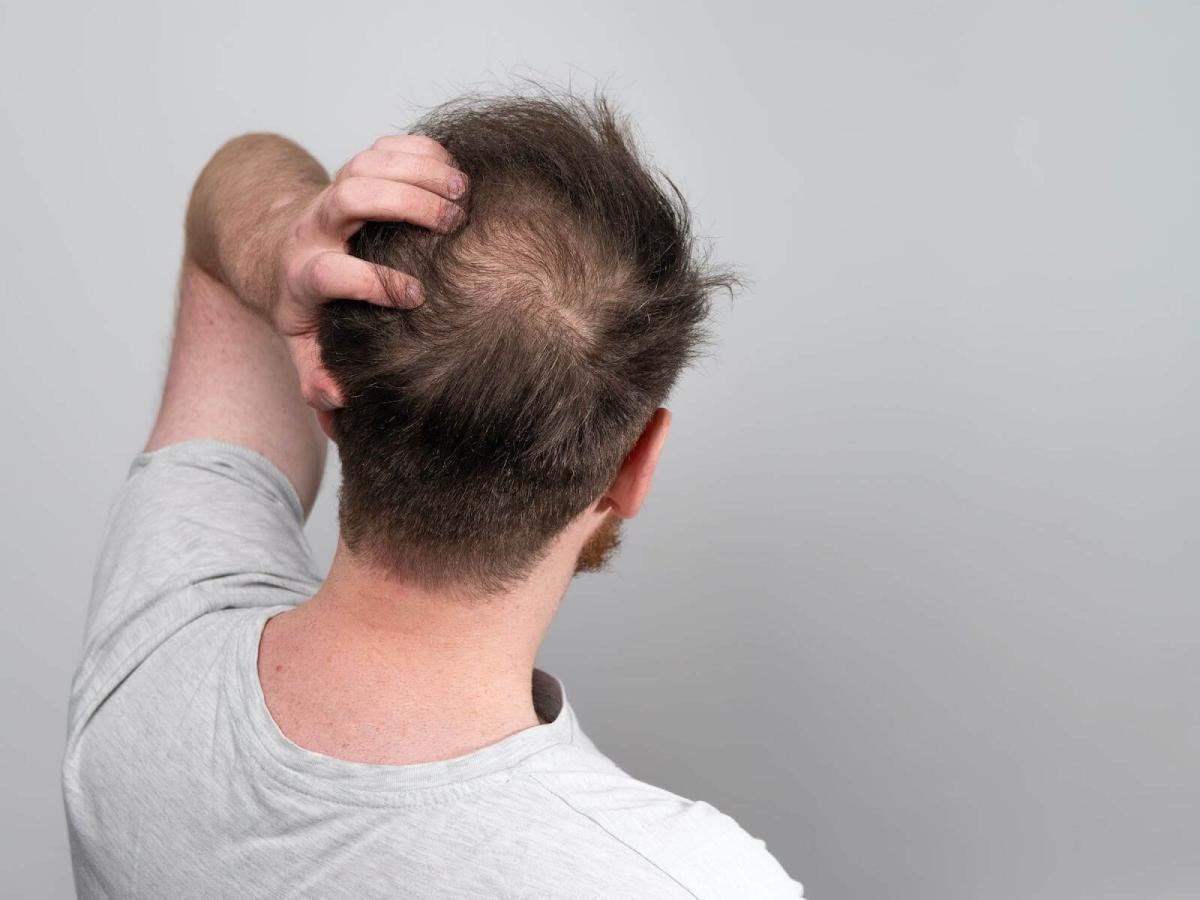
Achieving natural-looking density in the crown area is widely considered one of the most demanding aspects of hair restoration. The crown differs from frontal regions because hair grows in circular and shifting directions, creating visual complexity. In discussions around Crown Hair Transplant in Dubai, density is not judged purely by hair count but by how fullness appears under varying light and angles. The crown’s central position on the scalp makes even minor spacing noticeable, increasing the importance of strategic density design rather than sheer volume alone.
The Role of Natural Hair Patterns in the Crown
The crown follows a whorl pattern that expands outward in a spiral formation, making density perception highly dependent on alignment. Unlike straight hair flow areas, the crown requires harmony between existing strands and newly placed hair. Density is achieved when this natural swirl is respected and visually uninterrupted. Even slight inconsistencies in direction can break the illusion of fullness, which is why understanding natural crown patterns remains central to achieving balanced density.
Visual Density Versus Numerical Density
Density in the crown is more about how thick the area appears than how many hairs exist within it. Visual density relies on spacing, direction, and overlap rather than numbers alone. Hair positioned correctly can create shadowing and layering effects that enhance fullness. In contrast, overcrowding without consideration of flow can expose gaps. The crown benefits from controlled distribution that maximizes coverage while maintaining a natural, breathable appearance.
Strategic Hair Direction and Angulation
One of the most defining elements of crown density is directional accuracy. Hair must follow subtle changes in orientation as it radiates from the center. This directional consistency helps light reflect evenly across the scalp, minimizing contrast between hair and skin. Proper angulation also ensures that hair lies flat and blends seamlessly. When direction is unified, density appears more natural and continuous rather than patchy or artificial.
Importance of Balanced Distribution
- Ensures even coverage across the crown surface
- Prevents dense clusters and visible gaps
- Maintains harmony with surrounding hair
- Supports natural movement and layering
- Enhances the illusion of depth and fullness
Hair Characteristics That Influence Density
Hair texture, curl, thickness, and color contrast with the scalp all influence how dense the crown appears. Coarser hair often creates better coverage, while lighter colors reduce scalp visibility. Even fine hair can appear dense when positioned thoughtfully. The crown responds uniquely to these characteristics, making personalization essential. Density is therefore achieved by working with existing hair qualities rather than forcing uniformity across individuals.
Spacing That Enhance Fullness
- Allows natural overlap between strands
- Reduces scalp show-through
- Creates shadow and depth
- Supports circular crown patterns
- Improves overall visual balance
Harmony With Existing Hair
Crown density must align with the surrounding scalp to remain visually consistent over time. Hair in this region often changes gradually, so density planning considers how new hair blends with existing strands. A harmonious crown does not overpower adjacent areas but complements them. This continuity ensures the crown looks proportionate and natural rather than isolated or artificially enhanced.
Artistic Precision in Crown Design
- Respects the natural whorl structure
- Maintains smooth directional flow
- Enhances visual symmetry
- Avoids abrupt density changes
- Supports a natural scalp appearance
Final Thoughts
Density in the crown is achieved through thoughtful design, balanced distribution, and respect for natural growth patterns rather than sheer volume. Visual harmony, direction, spacing, and individual hair characteristics all work together to create fullness that looks authentic. When these elements align, the crown appears naturally dense, integrated, and aesthetically pleasing, reinforcing that successful density is an art shaped by precision rather than excess.