How Is Pelvic Pain Managed By General Gynecology ?

Pelvic pain can be an uncomfortable and disruptive issue for many women, affecting daily activities and overall well-being. In General Gynecology Abu Dhabi, healthcare providers approach pelvic pain with a comprehensive and compassionate strategy. The goal is to identify the underlying cause of the pain and develop an effective treatment plan tailored to each woman's needs. This holistic approach ensures that women receive personalized care in a supportive environment, helping them regain comfort and confidence.
Understanding Pelvic Pain
Types of Pelvic Pain
Pelvic pain can vary greatly in intensity and duration. It may be classified as acute, lasting for a short period, or chronic, persisting for months or longer. Women may experience different sensations, including sharp, dull, stabbing, or aching pain. Recognizing the type and pattern of pain helps healthcare providers determine the most suitable management approach.
Common Causes of Pelvic Pain
Pelvic pain often results from various conditions affecting reproductive organs, muscles, or surrounding tissues. Some common causes include menstrual cramps, ovarian cysts, endometriosis, pelvic inflammatory disease, fibroids, or musculoskeletal issues. Identifying the root cause is essential to address the pain effectively.
The Role of General Gynecology in Managing Pelvic Pain
Comprehensive Evaluation
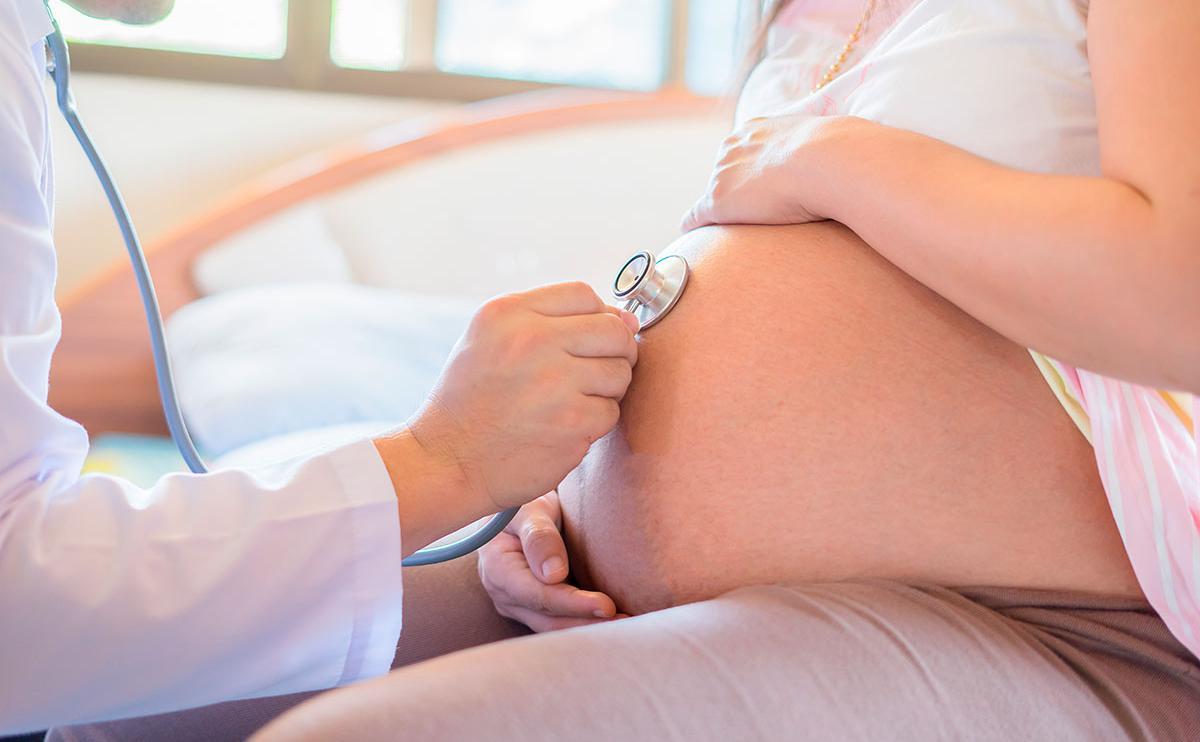
Healthcare providers in General Gynecology in Abu Dhabi begin with a thorough medical history and physical examination. They inquire about the pain’s onset, duration, intensity, and any associated symptoms. This initial step helps narrow down potential causes.
Diagnostic Procedures
To accurately diagnose the source of pelvic pain, various diagnostic tools might be employed, such as:
Pelvic ultrasound to visualize reproductive organs
Blood tests to check for infection or inflammation
Pap smears and cultures if infections are suspected
Laparoscopy in certain cases for direct visualization of internal structures
Individualized Treatment Plans
Based on the diagnosis, gynecologists develop personalized treatment strategies. The focus is on alleviating pain while addressing the underlying condition. This approach ensures that each woman receives care tailored to her specific needs.
Non-Pharmacological Management Strategies
Lifestyle Modifications
Adjustments in daily routines can significantly reduce pelvic pain. These include maintaining a healthy weight, engaging in regular gentle exercise, and practicing stress management techniques. Women are encouraged to adopt habits that promote overall pelvic health.
Physical Therapy
Pelvic floor physical therapy is often recommended to strengthen or relax pelvic muscles, especially in cases involving musculoskeletal causes of pain. This therapy can help improve muscle coordination and reduce discomfort.
Supportive Devices and Techniques
Using heat packs or warm compresses on the pelvic area can provide soothing relief. Women are advised to avoid activities that exacerbate the pain and to incorporate gentle stretching exercises as recommended by their healthcare provider.
Pharmacological Management Approaches
Pain Relief Medications
In many cases, over-the-counter pain relievers such as acetaminophen or nonsteroidal anti-inflammatory drugs are recommended to manage discomfort. These medications help reduce inflammation and alleviate pain symptoms.
Hormonal Treatments
Hormonal therapies, including birth control pills or hormonal patches, may be prescribed to regulate menstrual cycles and reduce pain associated with conditions like endometriosis or fibroids.
Targeted Medications
Depending on the underlying cause, specific medications such as antibiotics for infections or hormonal modulators for endometriosis are utilized to control symptoms effectively.
Surgical Interventions
When Surgery is Necessary
In some cases, persistent or severe pelvic pain may require surgical intervention. General Gynecology in Abu Dhabi offers minimally invasive procedures to treat conditions like ovarian cysts, fibroids, or endometriosis.
Types of Surgical Procedures
Options may include laparoscopy, which involves small incisions for internal visualization and treatment, or more extensive surgeries if necessary. These procedures aim to remove the source of pain while minimizing recovery time.
Patient Education and Support
Empowering Women Through Knowledge
Education plays a vital role in managing pelvic pain. Gynecologists provide detailed information about the condition, treatment options, and lifestyle adjustments to help women make informed decisions.
Emotional and Psychological Support
Chronic pelvic pain can impact mental health. Healthcare providers offer emotional support and may recommend counseling or support groups to help women cope with their condition.
Preventive Measures and Long-Term Management
Regular Health Screenings
Routine gynecological check-ups are essential for early detection and management of conditions that may cause pelvic pain. Preventive care helps maintain reproductive health and prevents complications.
Maintaining Pelvic Health
Women are encouraged to practice good hygiene, engage in pelvic floor exercises, and seek medical advice promptly if symptoms arise. Long-term management focuses on reducing recurrence and improving quality of life.
FAQs About Pelvic Pain Management in General Gynecology
What are the most common causes of pelvic pain?
Pelvic pain can stem from menstrual cramps, ovarian cysts, endometriosis, fibroids, infections, or musculoskeletal issues. Proper diagnosis is crucial to determine the exact cause.
How is pelvic pain diagnosed?
Diagnosis involves a combination of medical history review, physical examination, imaging tests such as ultrasound, blood tests, and sometimes minimally invasive procedures like laparoscopy.
Can pelvic pain be permanently cured?
Many causes of pelvic pain can be effectively managed or cured through appropriate treatment. The prognosis depends on the underlying condition and the timeliness of intervention.
What lifestyle changes can help reduce pelvic pain?
Maintaining a healthy weight, engaging in gentle exercise, managing stress, practicing good hygiene, and avoiding activities that worsen pain can contribute to better pelvic health.
When should women seek medical help for pelvic pain?
Women should consult a healthcare provider if they experience persistent, severe, or worsening pelvic pain, or if it is accompanied by other symptoms such as fever, abnormal bleeding, or dizziness.
Conclusion
General Gynecology in Abu Dhabi offers a compassionate and comprehensive approach to managing pelvic pain. Through careful evaluation, personalized treatment plans, and supportive care, women can find relief and improve their quality of life.
READ MORE : Can General Gynecology Help With Irregular Periods?