How Is Rhinoplasty Treatment Explained To Patients?

Rhinoplasty treatment is a popular cosmetic and functional procedure that many individuals consider for reshaping or improving the nose. When seeking Rhinoplasty Dubai, patients often want clear guidance on what to expect, from consultation to recovery. At Dynamic Life Clinic, medical teams focus on ensuring that patients understand the procedure fully, addressing both aesthetic goals and health considerations.
Initial Consultation and Patient Assessment
The first step in rhinoplasty treatment involves a thorough consultation. During this stage:
Surgeons evaluate the patient’s facial structure and skin type to determine the most suitable approach.
Patients discuss their goals, whether they want cosmetic changes, breathing improvement, or a combination of both.
A detailed medical history is reviewed to identify any conditions that could affect the procedure or recovery.
Surgeons may use 3D imaging or simulations to give patients a realistic idea of post-surgery results.
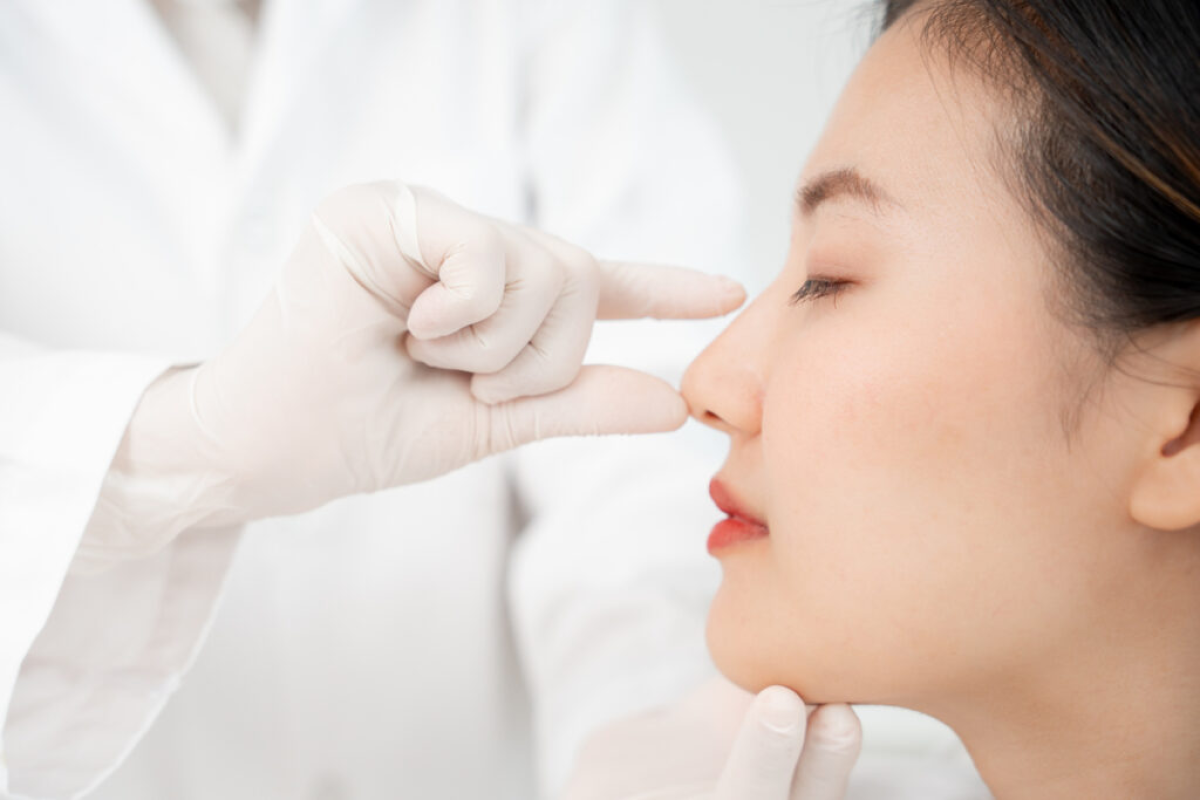
Explaining the Types of Rhinoplasty
Patients are informed about the different techniques available, tailored to individual needs:
Open Rhinoplasty: Offers direct access to the nasal structure for complex reshaping.
Closed Rhinoplasty: Minimally invasive, with incisions inside the nostrils for subtle changes.
Revision Rhinoplasty: Focused on correcting previous surgeries or complications.
Functional rhinoplasty options may also be discussed if breathing issues need correction.
Detailed Procedure Overview
Clear explanation of the surgical process helps patients feel more confident:
Incisions are carefully placed either inside or outside the nostrils depending on the chosen technique.
Bone and cartilage may be reshaped, reduced, or augmented to achieve the desired profile.
Surgeons explain the importance of maintaining natural symmetry and proportion.
Patients learn about the duration of surgery and the types of anesthesia used.
Risks and Safety Measures
Educating patients on safety and potential risks is a key part of treatment explanation:
Common side effects such as swelling, bruising, and mild discomfort are highlighted.
Rare complications, including infection or asymmetry, are discussed transparently.
Pre-surgery preparation and post-operative care are emphasized to minimize risks.
Patients receive guidance on when to seek medical attention if unusual symptoms occur.
Recovery and Post-Operative Care
Understanding recovery expectations helps patients plan effectively:
Swelling and bruising are normal in the first few weeks, gradually subsiding over time.
A splint or nasal dressing is typically worn for the initial recovery period.
Patients are advised to avoid strenuous activity and protect the nose from impact.
Follow-up appointments are scheduled to monitor healing and address any concerns.
Achieving Desired Results
Patients are guided on realistic expectations and how results develop:
Final results may take several months as swelling fully resolves.
Surgeons encourage patients to focus on long-term improvements rather than immediate perfection.
Lifestyle factors such as proper nutrition and avoiding smoking are recommended to support healing.
Open communication with the surgical team ensures that any adjustments can be considered if necessary.
Frequently Asked Questions
To further reassure patients, common questions are addressed:
Will the surgery affect breathing? Functional improvements can enhance airflow, while cosmetic changes are designed to preserve nasal function.
Is the procedure painful? Discomfort is managed with medications, and most patients report minimal pain during recovery.
How noticeable are scars? Incisions are placed strategically to minimize visible scarring.
When can normal activities resume? Light activities are usually possible after a week, while full exercise is often resumed after several weeks.
Preparing Patients Emotionally
Beyond the physical aspects, emotional preparation is key:
Patients are encouraged to have realistic expectations and patience with the healing process.
Anxiety and concerns about appearance are addressed through counseling and detailed explanations.
Clear communication between the surgeon and patient builds trust and confidence in the procedure.
Conclusion
Explaining rhinoplasty treatment to patients involves a structured approach that covers consultation, surgical techniques, risks, recovery, and emotional readiness. For those seeking Rhinoplasty Dubai, understanding these aspects ensures informed decision-making and satisfaction with results. Clinics like Dynamic Life Clinic prioritize patient education, making the journey from consultation to recovery smooth and reassuring.