How Long Does Keloid Treatment Keep Scars From Returning?

Keloids are raised scars that form when the body produces excess collagen after an injury. These scars can be itchy, painful, and sometimes even limit movement depending on their size and location. Many individuals struggle not just with the appearance but also with the recurrence of keloids after treatment. Understanding how long keloid treatment keeps scars from returning is essential for anyone considering intervention. Keloid Treatment in Dubai is designed to provide lasting results, combining advanced medical techniques with the expertise of highly skilled dermatologists. Our team specializes in personalized approaches that minimize recurrence and restore the skin’s natural appearance.
Understanding Keloids and Their Formation
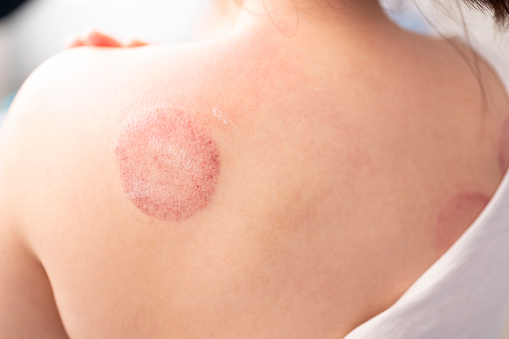
Keloids occur due to an overproduction of collagen during the healing process. Unlike regular scars, keloids extend beyond the original wound and can continue to grow over time. Factors such as genetics, skin type, and the location of the injury play a role in their formation.
More common in darker skin tones
Often appear on the chest, shoulders, earlobes, and back
Can form months after the initial wound
Factors Affecting Recurrence
Even after treatment, keloids can recur. Understanding the factors that influence recurrence can guide patients in managing expectations and choosing effective therapies.
Genetic predisposition: Individuals with a family history of keloids have a higher chance of recurrence.
Scar location: Certain areas, like the chest or shoulders, are more prone to regrowth.
Type of treatment: Some methods, such as steroid injections combined with pressure therapy, are more effective in preventing recurrence.
Types of Keloid Treatments
Several treatments aim to reduce keloid size and prevent regrowth. Each method offers different levels of effectiveness, depending on the patient’s skin and keloid characteristics.
Corticosteroid injections: Reduce inflammation and flatten the scar.
Laser therapy: Improves scar appearance and texture.
Surgical removal: Often combined with other therapies to prevent recurrence.
Cryotherapy: Freezes keloid tissue to minimize growth.
Silicone sheets or gel: Helps maintain skin hydration and reduces scar height.
How Long Can Keloid Treatment Keep Scars from Returning?
The duration for which keloid treatment keeps scars from returning varies based on the method used, patient compliance, and individual healing response.
Corticosteroid injections: Require multiple sessions over weeks, with follow-up to monitor recurrence.
Laser therapy: Results may last for several months, but touch-ups may be needed.
Surgical removal: Can provide immediate improvement, but recurrence is common if not combined with post-operative care.
Role of Specialized Dermatologists
One of the most significant factors in preventing keloid recurrence is the expertise of the treating physician. Our doctors have specialized training in keloid management and utilize the latest technology for optimal outcomes.
Detailed assessment of each keloid
Customized treatment plans
Expertise in combination therapies for better results
Combination Therapies for Better Results
Single treatments may reduce keloid size temporarily, but combination therapies offer the best chance of preventing recurrence. At our clinic, we often combine:
Surgery + corticosteroid injections: Reduces regrowth after removal.
Laser therapy + silicone sheets: Improves texture while preventing new scar formation.
Cryotherapy + steroid treatment: Targets stubborn keloids effectively.
Post-Treatment Care and Monitoring
The period after keloid treatment is crucial in determining how long scars stay away. Our doctors emphasize post-treatment care to ensure maximum effectiveness.
Regular follow-ups: Monitor skin for early signs of regrowth.
Protective measures: Avoiding trauma to the area reduces recurrence risk.
Consistent use of recommended gels or sheets: Maintains skin hydration and elasticity.
Patient Lifestyle and Compliance
A patient’s lifestyle and adherence to treatment plans also play a role in preventing keloid recurrence.
Avoiding unnecessary skin trauma
Using sun protection to prevent discoloration
Maintaining healthy skin hygiene
Following doctor’s instructions for topical or injection therapies
How Success Is Measured?
Success in keloid treatment is not only about immediate improvement but also the duration before recurrence. We evaluate success through:
Scar flattening: Reduction in height and texture improvement
Symptom relief: Decreased itching and discomfort
Long-term monitoring: Tracking recurrence rates over months and years
Benefits of Choosing Expert Care in Dubai
Dubai offers advanced medical facilities with highly trained specialists in dermatology. Opting for treatment at a reputable clinic ensures:
Access to the latest keloid treatment technologies
Skilled dermatologists with specialized knowledge
Personalized treatment plans based on individual scar types
A structured follow-up program to monitor and prevent recurrence
Conclusion
Keloid scars can be persistent, but with the right treatment, their recurrence can be significantly minimized. Keloid Treatment in Dubai at Dynamic Life Clinics combines cutting-edge techniques with the expertise of specialized dermatologists, offering personalized care tailored to each patient’s needs. While factors such as genetics and scar location influence recurrence, combination therapies, diligent post-treatment care, and patient compliance dramatically extend the period before scars return. By choosing expert care, patients can achieve smoother, healthier skin and long-lasting confidence in their appearance.