How Material Choices Affect The Strength And Longevity Of Glass Dropper Bottles?

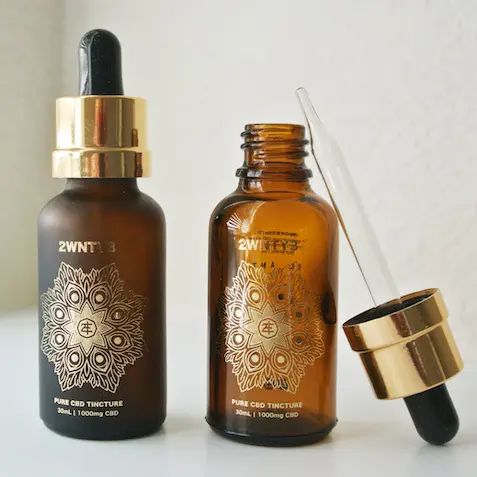
Every bottle tells a story about its material, design, and how long it will last on the shelf. The glass dropper bottles aren’t just a container; they’re a shield for your product, a tool for accuracy, and a workhorse on production lines. Poor material choice can mean cracks, leaks, and lost time. Check out the most important points to keep your bottles tough and long-lasting:
1. Glass Chemistry Shapes Durability
Not all glass is created equal. Borosilicate glass resists heat and chemical reaction, while soda-lime glass can chip faster. Choosing the right chemistry prevents premature cracks and keeps serums safe. Pairing these with amber glass dropper bottles can also reduce light damage for sensitive products.
2. Dropper Fit Affects Accuracy
It’s not just the bottle, it’s how the dropper works inside. A poorly fitting dropper can drip too fast, clog, or misdose. Testing droppers with different liquids ensures consistent flow. This small adjustment saves brands from returns and customer complaints.
3. Coatings Add Invisible Strength
Thin protective coatings can absorb minor shocks, prevent scratches, and extend bottle life. These coatings also help bottles slide through machinery without sticking, reducing jams on production lines. The right coating choice balances protection and efficiency.
4. Wall Thickness Isn’t One-Size-Fits-All
Too thin, and bottles shatter easily; too thick, and they feel clunky and slow production. Engineers calculate the sweet spot for every size. Reinforced necks or bases can absorb drops without failing, letting bottles survive filling, shipping, and storage.
5. Heat and Cold Resistance Matters
Temperature swings can weaken glass over time. Bottles that survive hot-filling or refrigerated storage require careful material choice. Amber glass dropper bottles often provide both UV protection and temperature resilience.
6. Cap and Closure Engineering
Caps aren’t just lids; they help the bottle work right. Tight-fitting caps, secure threads, and safety seals stop leaks and keep the liquid safe. Engineers test them over and over, so droppers work every time and don’t slow down production.
7. Liquid Compatibility Is Key
Essential oils, tinctures, or serums react differently with glass. The wrong combination can corrode the dropper, discolor the liquid, or compromise safety. High-quality glass dropper bottles ensure chemical stability for every product type.
8. Ergonomics Meets Safety
A strong bottle also needs to feel right in the hand. Smooth edges, easy-grip shapes, and droppers that fit comfortably improve user experience. Amber glass dropper bottles often offer a premium feel while keeping the liquid protected.
9. Sustainability Without Compromise
Recycled glass doesn’t mean weak glass. Brands can use eco-friendly materials while maintaining durability and machine-friendly performance. Smart material choices reduce waste while keeping bottles functional and safe.
10. Real-World Testing Saves Time
Even the strongest glass fails if it isn’t tested. Drop tests, high-speed fill lines, and repeated capping trials reveal weaknesses before production starts. This avoids costly downtime, broken bottles, and unhappy customers.
11. Material Choice Builds Brand Trust
Customers notice quality. Bottles that feel sturdy, dispense correctly, and protect products communicate reliability. Thoughtful material selection affects not only the lifespan of your product but also how your brand is perceived in the market.
12. Color and Light Protection Go Beyond Looks
Glass color isn’t just for looks. Dark or tinted glass protects liquids from sunlight, which can ruin oils or serums. Picking the right color with the right glass helps your product last longer and stay strong, keeping it safe and effective on the shelf.
13. Shock-Absorbing Packaging Integration
Even strong glass can break when it’s shipped or handled. Using foam inserts, custom trays, or extra protective packaging with glass dropper bottles helps absorb bumps and keeps the bottles safe. Smart use of materials from the bottle to the packaging means fewer broken bottles and happier customers.
14. Consistency Across Batches Matters
It’s easy to overlook, but slight material variations between production runs can affect weight, thickness, or finish. Consistent material sourcing and manufacturing processes prevent leaks, drips, or misfits with droppers. This attention to consistency saves brands from quality issues down the line.
Key Takeaways
Choosing the right glass, coatings, droppers, and caps affects durability, accuracy, and customer satisfaction. The glass dropper bottles made with careful material decisions last longer, reduce waste, and prevent production headaches. Pairing them with amber glass dropper bottles protects sensitive liquids while improving user experience. Investing in smart materials is an investment in trust, efficiency, and long-term product success.