How Medical Acne Scar Treatments Function?

Acne scars can affect skin texture, tone, and confidence, which is why many people seek professional solutions to restore smoother skin. How Medical Acne Scar Treatments Function? is a question often asked by individuals exploring dermatological procedures designed to reduce or improve the appearance of scars. In regions with advanced aesthetic care, such as Acne Scar Treatments in Dubai, modern techniques are widely used to stimulate skin renewal and collagen production. Many reputable facilities, including Dynamic Clinic in Dubai, offer medically guided solutions that focus on improving skin structure through evidence-based dermatological technologies.
Understanding the Formation of Acne Scars
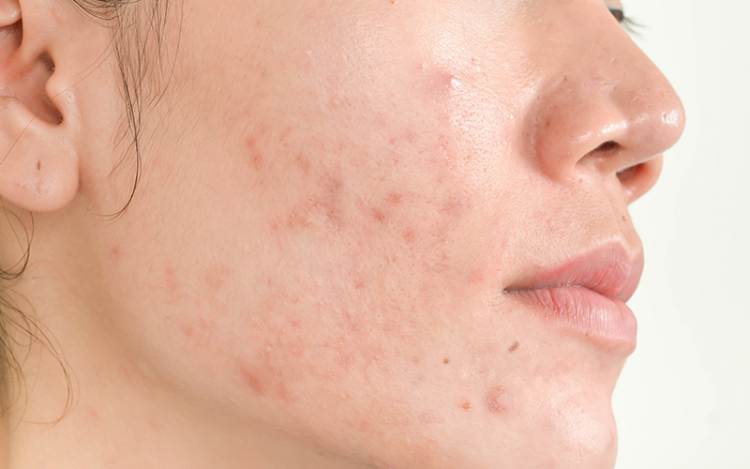
Before exploring treatment methods, it is important to understand how acne scars develop. Acne scars typically form when inflamed breakouts damage the deeper layers of the skin. When the skin attempts to heal itself, the body produces collagen to repair the damaged tissue.
However, the healing process may not always restore the skin evenly. As a result, different types of scars may appear:
Atrophic scars – Depressions in the skin caused by insufficient collagen production
Hypertrophic scars – Raised scars caused by excess collagen
Post-inflammatory hyperpigmentation – Dark spots that remain after acne heals
Medical acne scar treatments focus on correcting these irregularities by either stimulating new collagen formation or resurfacing the skin layers.
The Science Behind Medical Acne Scar Treatments
Dermatological treatments for acne scars are designed to activate the skin’s natural healing processes. Most procedures work by creating controlled micro-injuries in the skin. These small, precise disruptions trigger the body’s repair response, leading to increased collagen and elastin production.
Collagen plays a key role in maintaining smooth and firm skin. When new collagen forms, it gradually fills depressed scars and improves the skin’s texture. Over time, this regeneration helps reduce visible scarring and promotes a more even complexion.
Some treatments focus on resurfacing the outer layers of the skin, while others target deeper skin structures to rebuild damaged tissue.
Common Medical Techniques Used for Acne Scar Treatment
Dermatology clinics use a range of medically approved technologies to address different types of acne scars. Each treatment works through a specific mechanism.
Laser Skin Resurfacing
Laser therapy is widely used in dermatology to treat acne scars. It works by directing concentrated light energy into the skin.
Key effects include:
Removing damaged outer skin layers
Stimulating collagen regeneration
Improving overall skin tone and texture
Fractional lasers are particularly effective because they treat tiny sections of skin while leaving surrounding tissue intact, allowing faster healing.
Microneedling Therapy
Microneedling involves the use of very fine needles that create microscopic punctures in the skin. These micro-channels activate the skin’s natural repair process.
This treatment works by:
Encouraging collagen and elastin production
Improving skin elasticity
Gradually reducing the depth of atrophic scars
Over time, repeated sessions can lead to smoother and firmer skin as the body rebuilds tissue beneath the scar.
Chemical Peels
Chemical peels are another dermatological technique used to improve acne scars. A specialized solution is applied to the skin to exfoliate and remove damaged layers.
The process helps:
Accelerate skin cell turnover
Reduce pigmentation and discoloration
Smooth uneven skin texture
As new skin cells replace the old ones, the surface appears brighter and more refined.
Dermal Fillers for Depressed Scars
Some acne scars appear as deep indentations in the skin. In such cases, dermatologists may use dermal fillers to temporarily lift the depressed areas.
Fillers function by:
Adding volume beneath the scar
Creating a smoother skin surface
Improving the overall appearance of the affected area
This method is particularly useful for rolling scars and other shallow depressions.
Factors That Influence Treatment Results
Medical acne scar treatments are highly individualized. Dermatology specialists typically evaluate several factors before selecting a suitable procedure.
Important considerations include:
Scar type and severity
Skin type and sensitivity
History of acne or inflammation
Skin healing response
A customized treatment plan allows specialists to combine techniques when necessary, maximizing results while supporting the skin’s natural recovery process.
Why Professional Treatments Are Effective
Professional acne scar treatments differ significantly from over-the-counter solutions because they target deeper layers of the skin. Medical technologies are designed to reach areas where scars originate, allowing more noticeable improvements in texture and appearance.
Key advantages of medical procedures include:
Precision treatment of damaged skin tissue
Controlled stimulation of collagen production
Advanced technologies tailored for different scar types
These treatments aim to rebuild the skin structure rather than simply masking surface imperfections.
Skin Recovery and Regeneration
After treatment, the skin enters a natural healing phase. During this period, new collagen fibers form and gradually strengthen the skin’s support structure.
Patients may notice improvements such as:
Smoother skin texture
Reduced scar depth
More even skin tone
As collagen continues to develop over time, the appearance of scars typically becomes less noticeable.
Conclusion
Understanding how medical acne scar treatments function helps explain why dermatological procedures can significantly improve skin texture and clarity. These treatments rely on scientifically proven techniques that stimulate collagen production, resurface damaged skin layers, and encourage natural regeneration. With advanced dermatology solutions such as Acne Scar Treatments in Dubai, individuals have access to modern technologies designed to address different types of acne scarring and support healthier, smoother skin.