How Often Do Chemical Peels Help Products Penetrate Deeper?
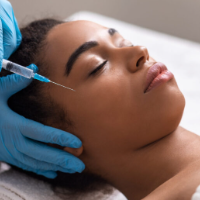
Achieving radiant, healthy skin isn’t just about the products you use; it’s about how effectively they penetrate your skin to deliver results. Many skincare enthusiasts often wonder why even premium serums and creams sometimes fail to show the desired effects. The secret lies in the preparation of your skin, and this is where chemical peels play a crucial role in achieving optimal results. Chemical Peel Treatment in Dubai has become a trusted solution for enhancing the absorption of skincare products. By gently exfoliating the skin’s surface, chemical peels remove dead cells and unclog pores, creating the perfect canvas for your serums, creams, and treatments to work more effectively.
Understanding Chemical Peels
Chemical peels are professional treatments that use specialized acids to exfoliate the outer layers of the skin. Unlike manual scrubs, chemical peels target specific skin concerns, such as dullness, pigmentation, acne, and uneven texture. By removing dead cells and stimulating cellular turnover, chemical peels prepare the skin to absorb nutrients more efficiently.
Why Product Penetration Matters?
The skin’s outermost layer, the stratum corneum, acts as a barrier against environmental stressors but can also hinder active ingredients in skincare products. When this layer is thick or clogged, products like vitamin C serums, hyaluronic acid, and peptides may sit on the surface rather than penetrating deep into the skin. Chemical peels help break down this barrier, allowing your products to reach the layers where they can make the most impact.

Frequency of Chemical Peels
The frequency of chemical peels depends on your skin type, concerns, and the strength of the peel used.
Mild Peels: Can be done every 2–4 weeks for ongoing maintenance and improved product absorption.
Medium Peels: Typically administered every 4–6 weeks to address more pronounced skin concerns.
Deep Peels: Performed less frequently, often only once or twice a year, but provide significant rejuvenation.
How Peels Enhance Skincare Products?
Chemical peels prepare your skin for better absorption in several ways:
Unclogging Pores: Removes dirt, excess oil, and impurities that block product penetration.
Smoothing Texture: Eliminates rough patches for even application of products.
Boosting Circulation: Encourages blood flow, which supports nutrient delivery to skin cells.
Stimulating Collagen: Promotes skin renewal, enhancing the efficacy of anti-aging products.
Best Products to Use After a Chemical Peel
After a chemical peel, your skin is more receptive to treatments. Products to maximize penetration include:
Hydrating serums with hyaluronic acid
Vitamin C for brightening
Peptides for skin repair
Gentle moisturizers to lock in nutrients
Sunscreen to protect rejuvenated skin
Signs Your Skin Needs a Peel for Better Absorption
Even with a consistent skincare routine, your skin might not be absorbing products effectively. Signs include:
Persistent dullness despite regular exfoliation
Dry patches or uneven texture
Recurring breakouts or clogged pores
Minimal improvement from anti-aging or brightening serums
Role of Professional Expertise
Not all chemical peels are created equal, and choosing a professional is crucial. Our doctors specialize in various chemical peel treatments tailored to different skin types and concerns. Their expertise ensures that peels are performed safely, efficiently, and in a manner that maximizes skincare product absorption.
Our specialists evaluate your skin thoroughly before recommending a peel, considering:
Skin sensitivity
Existing skincare routine
Specific skin concerns (pigmentation, fine lines, acne)
Desired outcomes
Preparing Your Skin for a Chemical Peel
Preparation is key to maximizing the benefits of a chemical peel. Steps include:
Cleansing the skin to remove surface impurities
Using gentle exfoliants in the week leading up to the treatment
Avoiding harsh products like retinoids a few days prior
Staying hydrated to support skin renewal
Post-Peel Care for Maximum Absorption
Post-peel care is as important as the procedure itself. Key steps include:
Applying gentle moisturizers to maintain hydration
Avoiding direct sun exposure and using sunscreen daily
Using nourishing serums to penetrate the newly exfoliated skin
Keeping the skin clean to prevent clogging and irritation
Conclusion
Chemical peels are more than just a beauty treatment—they are a strategic method to optimize the absorption of skincare products. By removing dead skin cells, unclogging pores, and stimulating cellular renewal, chemical peels allow active ingredients to reach deeper layers where they are most effective. Our doctors’ specialization and experience in chemical peel treatments ensure that each patient receives a customized plan, improving both the immediate and long-term benefits of their skincare routine. Whether your goal is radiant skin, improved texture, or better product efficacy, chemical peels can be a game-changer. Regular sessions, combined with a targeted post-peel skincare routine, empower your products to deliver visible results faster, leaving your skin healthier, smoother, and glowing naturally.