How Safe Is A Vampire Facial For Sensitive Skin?

Sensitive skin often reacts quickly to environmental triggers, harsh ingredients, and even minor cosmetic changes. Because of this, many individuals approach advanced skin rejuvenation options with caution. Among trending treatments, the Vampire Facial in Dubai has attracted attention for its skin-refreshing appeal, but those with delicate complexions frequently question its suitability. Understanding safety considerations, potential sensitivities, and proper aftercare awareness is essential before deciding if this option aligns with fragile skin needs.
Understanding Sensitive Skin and Its Unique Challenges
Sensitive skin is characterized by heightened reactivity to internal and external factors. It may appear thin, easily irritated, or prone to redness and discomfort after exposure to skincare products or climate changes. Unlike resilient skin types, it struggles to maintain balance when faced with aggressive treatments. This makes evaluating any aesthetic procedure especially important. Safety depends largely on recognizing personal triggers and respecting the skin’s protective barrier.
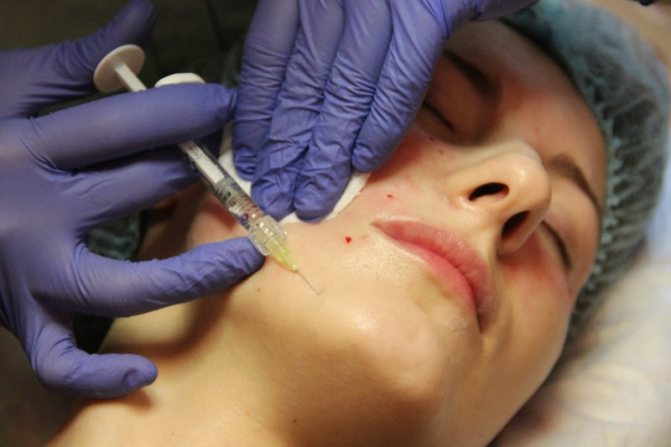
Why People With Sensitive Skin Seek Advanced Rejuvenation
Many individuals with sensitive skin still desire smoother texture, balanced tone, and a refreshed glow. However, common exfoliating treatments or chemical-based approaches may cause irritation. This leads some to explore alternatives perceived as more natural or skin-compatible. The appeal often lies in minimal reliance on synthetic substances. Still, sensitivity varies widely, and what works gently for one person may feel intense for another.
Safety Considerations Before Choosing This Treatment
- Current skin condition, including flare-ups or active irritation
- History of allergic reactions or contact dermatitis
- Tolerance to minor skin stimulation or cosmetic treatments
- Existing skincare routine and barrier health
- Overall skin resilience and hydration levels
Potential Reactions Sensitive Skin May Experience
Even when designed to be skin-friendly, any intensive cosmetic approach can provoke temporary sensitivity. Individuals may notice warmth, mild swelling, or increased redness. For delicate skin, these sensations can feel amplified. While some level of response is normal, persistent discomfort may indicate heightened sensitivity. Monitoring how the skin communicates distress signals is crucial. Recognizing early irritation helps prevent prolonged imbalance or unnecessary strain.
Factors That Influence Comfort Levels
- Natural thickness and strength of the skin barrier
- Presence of chronic redness conditions
- Exposure to sun or harsh weather
- Use of active skincare ingredients beforehand
- Emotional stress, which can trigger flare-ups
The Importance of Skin Barrier Awareness
The skin barrier acts as a shield, protecting against moisture loss and environmental irritants. For sensitive individuals, this barrier is often compromised or easily disrupted. Strengthening and maintaining it becomes essential before exploring advanced treatments. Hydration, gentle cleansing habits, and avoidance of abrasive products can enhance resilience. When the barrier remains intact, the skin is generally better equipped to tolerate stimulation without excessive reactivity.
Comparing Sensitivity Levels Across Skin Types
Not all sensitive skin behaves identically. Some individuals experience mild flushing that subsides quickly, while others face persistent redness or stinging sensations. Dry-sensitive skin may react differently than oily-sensitive skin. Combination types can display varied responses across facial areas. Understanding one’s specific sensitivity profile allows for a more informed decision. This personalized awareness helps determine whether a Vampire Facial aligns with comfort expectations.
How to Minimize Irritation Risks
- Avoid harsh exfoliants before scheduling treatment
- Maintain a consistent, soothing skincare routine
- Limit sun exposure leading up to the session
- Stay well-hydrated internally and externally
- Discontinue strong active ingredients temporarily
Psychological Considerations
Beyond physical sensitivity, emotional comfort also plays a role in perceived safety. Individuals with reactive skin often feel anxious about trying new treatments due to past negative experiences. This apprehension can heighten awareness of even mild sensations. Being well-informed and setting realistic expectations helps ease concerns. Confidence in understanding potential responses can make the experience feel more controlled and less intimidating for sensitive individuals.
Final Thoughts
Determining how safe a Vampire Facial is for sensitive skin ultimately depends on personal skin characteristics and preparation. While many find it manageable, those with fragile complexions must prioritize barrier health and individual tolerance. Careful evaluation of triggers, consistent gentle skincare, and realistic expectations contribute significantly to safety. Sensitive skin does not automatically exclude advanced rejuvenation, but thoughtful consideration ensures that decisions support both comfort and overall skin wellbeing.